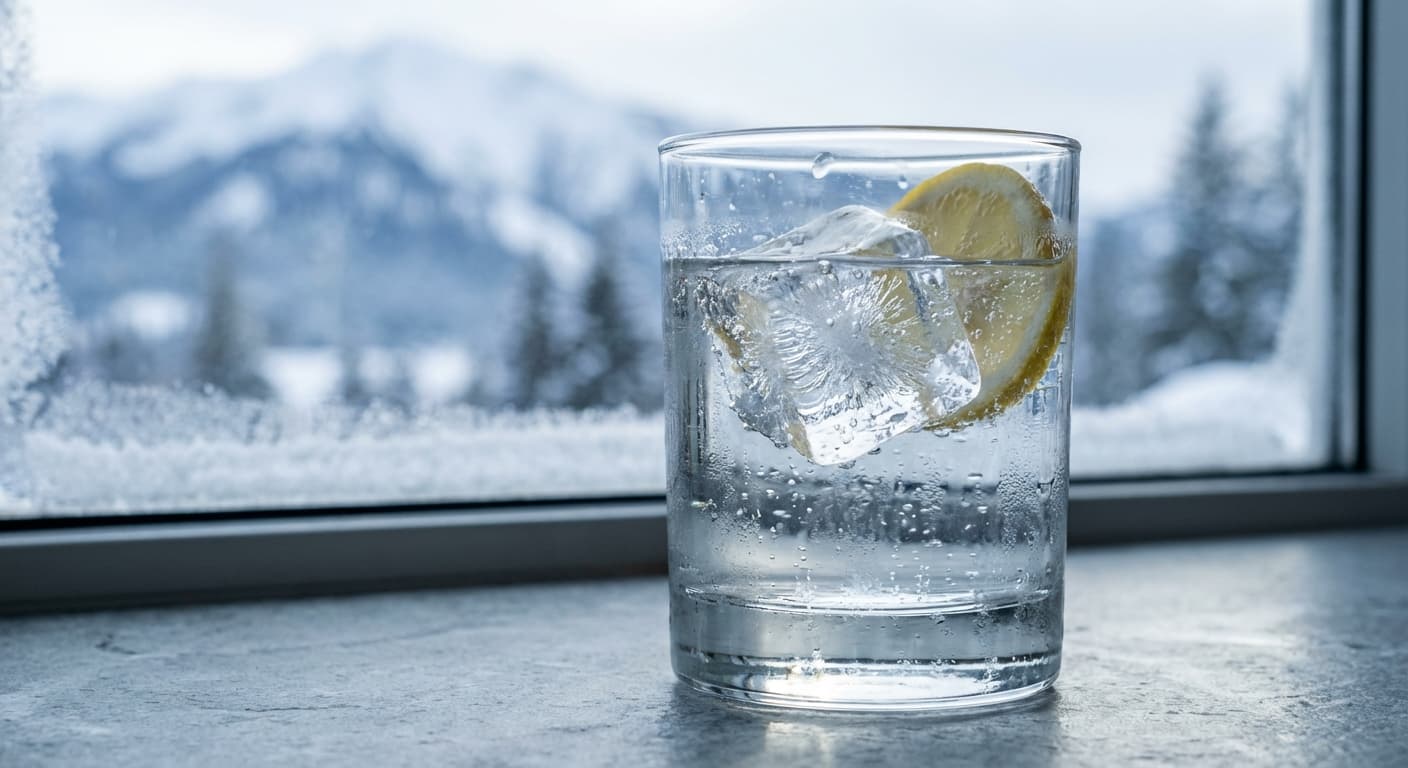

Imagine a cold January day, snow lying heavy over the mountains, and you standing with a glass in your hand. The ice cube melting slowly was not made in a freezer – it was made from real Norwegian winter water from the glacier. It may sound like poetry, but for breweries and distilleries this is reality. Water is not just a diluent; it is the flavour foundation of almost every drink we love. In Norway, with our rich access to ultra-pure meltwater, this has become a secret weapon in the production of gin, aquavit, and craft beer.

Why water is the invisible hero of drinks
Water makes up 90–95 percent of beer, gin, and most spirits. That sounds dull, but quality determines everything. Ordinary tap water contains chlorine, lime, and minerals that can produce a metallic aftertaste – think of the sour coffee you make with tap water. Pure meltwater from glaciers and mountain streams? It is like a blank canvas. Low mineral content provides a soft, clean base that lets aromas from malt, herbs, or spices shine through.
Technically, it comes down to pH, hardness, and ions. Glacier water is often acidic (pH around 6–7) and soft, with little calcium and magnesium. In beer brewing, this water binds enzymes more effectively during mashing, so sweetness is released evenly – the result is a beer that tastes like freshly fallen snow, fresh and light. For gin and aquavit, the distillate is diluted with water after distillation. Here it amplifies the botanical notes: juniper, citrus, pepper – without the water stealing the show.

Norwegian meltwater: From glacier to batch
Norway is a water nation. Our glaciers, such as Jostedalsbreen, melt slowly and are filtered through thousands of years of granite and layers of snow. This water is purer than most bottled spring water. Breweries in Bergen and Voss draw it directly from the sources. Take Voss water: it is used in several premium gins because its low ion content keeps distillation stable. Without contamination from city air or soil, the taste becomes crystal clear.
A fine example is Brennevinsgrova Premium Gin. This Norwegian gin benefits from local mountain water in its production, which gives it a silky-smooth finish. Mix it with tonic on a cold evening, and you will feel how the water lifts the juniper and citrus – like a walk in freshly fallen snow, but warmer.
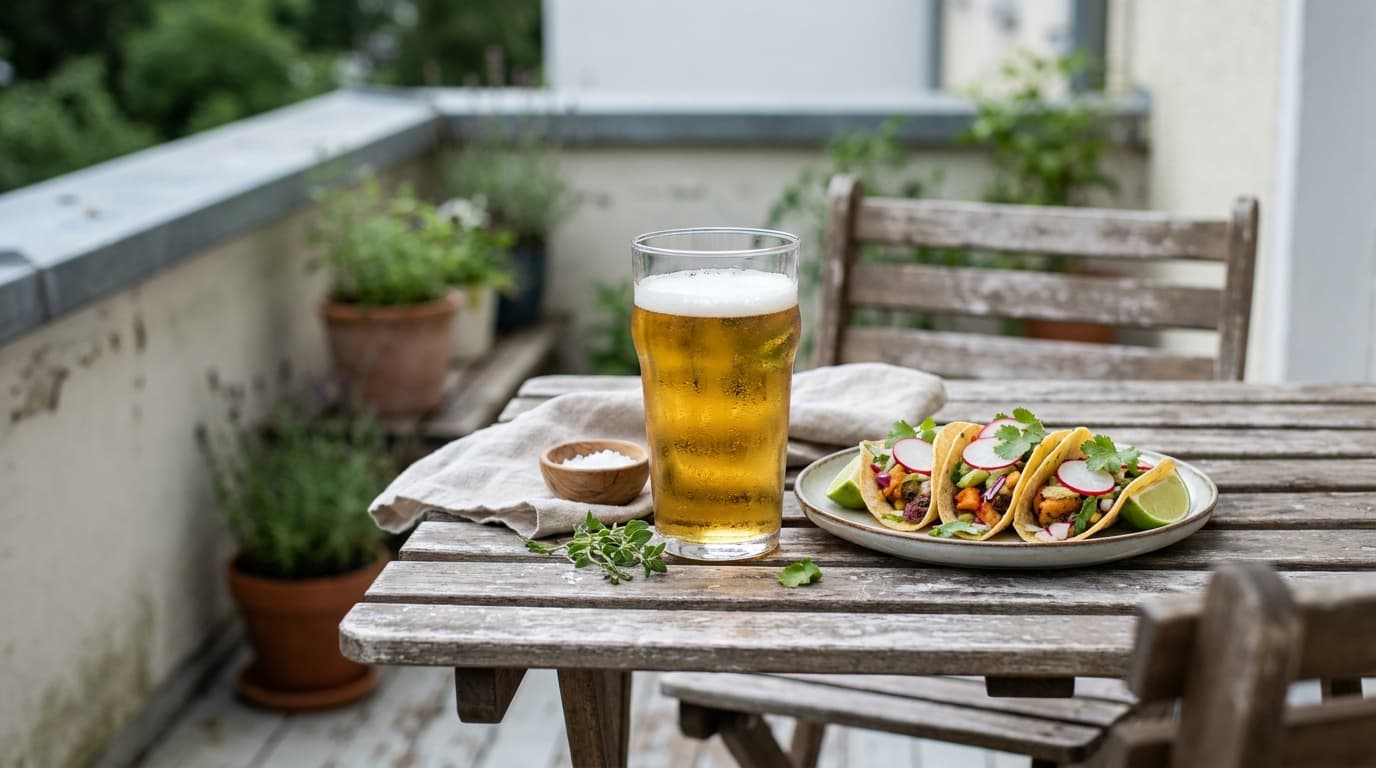
In the world of beer, craft breweries collect snow directly. They melt it carefully to avoid contamination and use it in IPA or stout. Why? Meltwater gives a clean hop bitterness without muddy tones. Imagine a dark winter porter: caramel, chocolate, and a freshness that recalls ice-cold streams. It is not magic; it is chemistry. Mineral balance affects fermentation – fewer impurities mean more consistent alcohol production and fewer off-flavours.

How is it actually produced?
Let us break it down, step by step, without drowning in jargon. For gin: the botanicals (herbs such as juniper, coriander) are distilled in copper pot stills with steam. Afterwards it is blended with water to 40–46 percent alcohol. This is where the meltwater comes in – it dilutes without adding flavour, but amplifies. The result? A gin that dances on the tongue, rather than hitting you over the head.
In beer: water is heated to 65–70 degrees for mashing, where malt is broken down into sugar. Glacier water with low alkalinity keeps the pH stable so that enzymes work optimally. After boiling and fermentation? The water binds it all together. Distilleries for aquavit do something similar: potato or grain is distilled, then aged in barrels and diluted. Norwegian winter water gives a softness that matches the spices – think caraway and orange peel, like a warm embrace on a cold day.
Another gem is Bareksten Old Tom Gin, a craft gin from Norwegian hands. Its base water from pure sources contributes to the full-bodied, slightly sweet profile. Perfect for a winter hot toddy: gin, honey, lemon, and hot water – snowmelt in liquid form.

The taste in practice: Winter's best pairings
Try it yourself this winter. A gin & tonic made with glacier-water gin becomes fresher, less metallic – ideal with lutefisk or rakfisk. For beer: a Session IPA made with meltwater cuts through fatty food such as pinnekjøtt. Technically: low sulphate content reduces sharpness, while traces of silicate add structure.
Warm up with an aquavit dram: pure water makes it smooth, like a good friend's story by the fireplace. Or make a snow-melt cocktail: melt real snow in a saucepan, mix with gin, and warm gently. The taste? Pure Norwegian winter, condensed.
Many people find that these drinks have a mountain freshness – it is the water speaking. In an age of climate change, this water is becoming worth its weight in gold; limited, but invaluable.
Cheers to the snow
Next time you raise your glass, think of the snowflakes that melted to get there. Norwegian winter water is not just pure; it is a taste of home, amplified by nature's own filtration. Try a gin or beer with this secret – and taste the difference. It is science, but it feels like magic.
Cheers!