
There is something special about the first grilling evenings of spring. The smell of charcoal catching, the first cut into a marinated pork neck chop, and that feeling that summer is drawing near. But while we spend hours finding the perfect meat and planning marinades, many overlook the obvious connection: spirits belong at the grill.
I'm not just talking about an ice-cold drink while you wait for the coals to turn white. I'm talking about using spirits as an active part of the grilling meal – from marinade to glass to digestif. And white spirits in particular – gin, aquavit, and tequila – turn out to be natural partners for spring grilling.

Why white spirits work with the grill
It's all about balance. Grilled meat has two dominant flavors: fat from the meat itself, and smoke from the heat source. Dark, heavy spirits like bourbon or dark-aged rum can fight against the smoke instead of working with it. White spirits, on the other hand – with their fresh botanicals, herbs, and clean profiles – cut through the fat and complement the smoke without overpowering it.
Think of it as a mirror image of why we instinctively choose white wine with fatty fish. Tartness and freshness balance richness. The same principle applies here, just with more alcohol and more aromatic complexity.
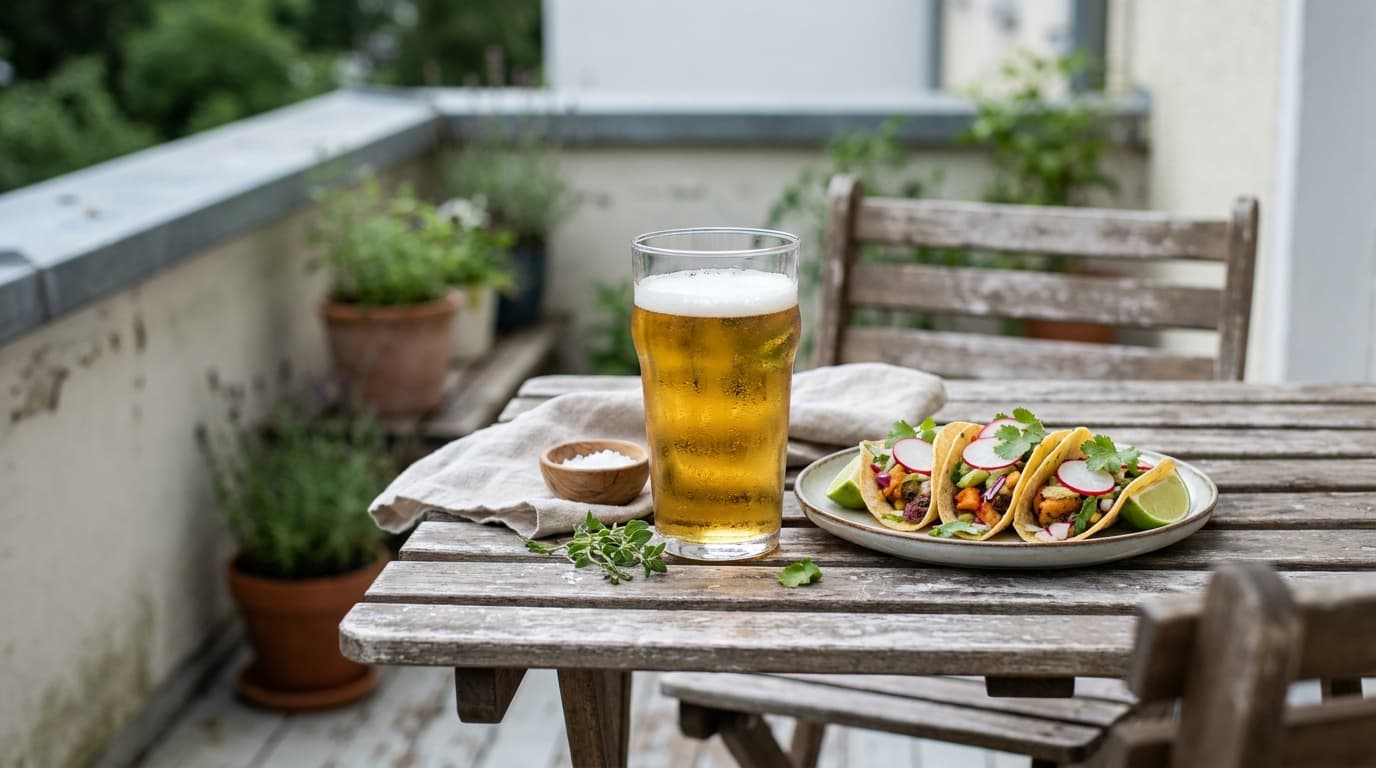
The nice thing about spring is that the temperature is perfect for this kind of drink. Not too warm, not too cold – just right for enjoying an ice-cold gin-based drink while the meat gets that perfect golden crust.
In the marinade: Gin as a flavor enhancer
The first meeting between spirits and grilling meat should happen long before the food hits the grate. Gin in a marinade is not just a fancy twist – it's chemistry that works.
The juniper flavor in gin has a natural affinity for game and lamb. Botanicals like coriander and citrus peel open up the meat fibers and add layers of aroma you don't get from vinegar or lemon alone. Try this: 6 cl gin, 4 tablespoons olive oil, 2 cloves of pressed garlic, fresh rosemary, and black pepper. Pour over lamb chops and let marinate for at least two hours.
A gin like Drumshanbo Gunpowder Irish Gin works particularly well here. It has a distinct note of citrus and oriental spices that isn't intimidated by high heat, and holds its presence even when the smoke takes over. At 43% alcohol, it also dissolves fat-soluble flavor compounds in the meat in a way that water and vinegar cannot.

Another advantage of gin in marinades: the alcohol evaporates during grilling, but leaves behind all the complex botanical aromas. It's like grinding fresh pepper over the meat, only with ten times as many flavors involved.
Aquavit with the smoke: Nordic meets Nordic
Even though I love gin in the marinade, it's aquavit that is my go-to when the meat is on the grill. Its spiced character – with caraway, anise, and often a touch of citrus – mirrors the same aromatic compounds that arise when fat drips onto coals and creates smoke.
I have a habit of keeping a small spray bottle of diluted aquavit at the grill station. A couple of spritzes just before serving, and you get an aroma that seems almost magical. It's not about adding alcohol (it burns off immediately), but about carrying the volatile aromatic compounds right into the smoke zone.
For this purpose I recommend a clean, unaged aquavit. Jærakevitt Original has the classic caraway-dominant profile without too much oak influence. It's honest, clean, and lets the grilled flavor shine through without competing. At 40% alcohol and a 50 cl bottle, it's also practical to have standing outside – you don't need to worry about it taking up too much space.

Another technique I use: pour a little aquavit over the charcoal just before you put the meat on. Not much – just a couple of tablespoons. The steam that rises infuses the meat with caraway and anise before the actual grilling begins. It's subtle, but noticeable.
Tequila with chicken: More than a margarita
Chicken and tequila are an underrated combination. Where European spirits often play on herbs and spices, tequila brings earthiness, a gentle sweetness, and a mineral edge that works excellently with white meat on the grill.
A blanco tequila (unblended, not barrel-aged) is the pure expression of the agave plant. It has pepper notes, citrus, and a hint of smokiness already built in – not from the grill, but from how the agave is roasted before distillation. This creates an interesting dialogue with the grilled meat.
Marinate chicken thighs in: 5 cl tequila blanco, juice from two limes, 1 tsp chipotle in adobo, honey, salt. Grill over medium-high heat until the skin is crispy. Serve with fresh coriander and lime wedges. Take a small shot of ice-cold tequila on the side. It's not sophisticated, but it works brutally well.
An interesting Scandinavian twist is Oslo Håndverksdestilleri Tequila Akevitt – a spirit that combines the agave soul of tequila with Norwegian aquavit tradition. It has both caraway and agave sweetness, and works surprisingly well both for marinating and as a drink alongside grilled chicken dishes. At 43% alcohol, it has enough strength to stand up to both chipotle and grill smoke.

During the meal: Simple drinks that don't require a bartender
It's one thing to have spirits as an ingredient, another to actually drink it alongside the food. Here are three ultra-simple approaches that are perfect for spring grilling evenings:
Gin & Tonic with grill garnish: Forget the cucumber. Instead, use a sprig of rosemary that has spent 30 seconds on the grill. Lightly charred rosemary in a G&T is a revelation. The smoky aroma from the rosemary mirrors the smoke from the grill, creating a cohesion that makes both drink and food taste better.
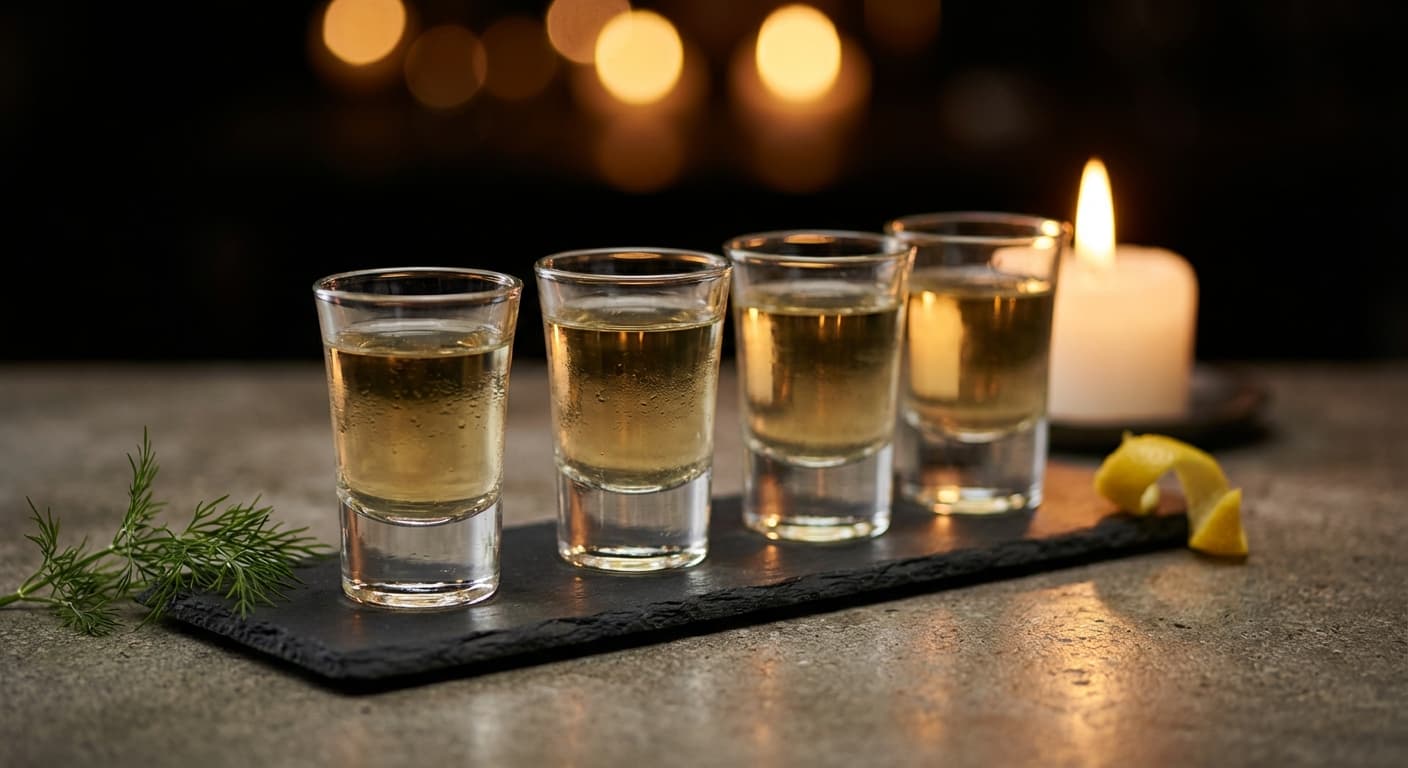
Ice-cold aquavit as a shot: Don't underestimate the power of a traditional serving. A frozen aquavit taken as a shot between bites of fatty grilled food is the culinary equivalent of pressing the reset button on your taste buds. The caraway cuts through the fat, and you're ready for the next bite.
Paloma: Tequila, grapefruit soda, lime, salt on the rim. Takes 45 seconds to make, and makes up for the fact that you've been standing by a hot grill for an hour. The salted rim and the bitter grapefruit balance sweet BBQ sauces perfectly.

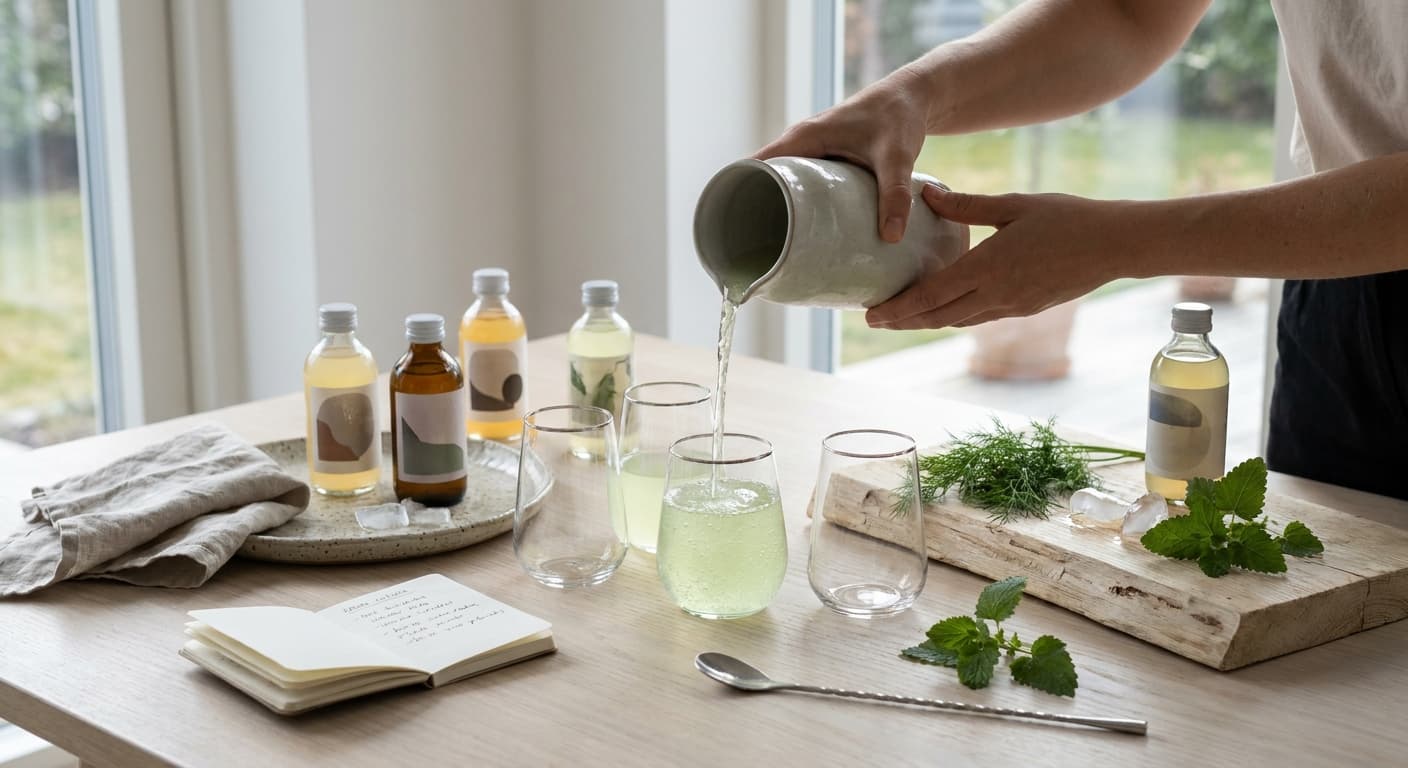
The nice thing about these drinks is that they don't require a shaker, strainer, or fancy equipment. You need glasses, ice, and a few ingredients. Perfect when you already have your hands full with grilling things.
After the grill: A digestif that means something
When the food is eaten and the coals are dying down, it's time for the closing drink. Here you can go a little heavier – but I still prefer something that feels light enough not to ruin the feeling of a spring evening.
An iced drink made from gin, fresh mint, a little honey, and soda, served in a tall glass, gives that aah feeling without being too sweet or heavy. Alternatively, you can stay on the aquavit track and serve it neat in small glasses alongside a cup of espresso – the Nordic version of the Italian ammazzacaffè.
Or go for a simple highball: aquavit, tonic, lemon peel. Light, refreshing, and with enough character to close the meal in a worthy way. It's not complicated, but it feels considered.
Remember the context
The most important point of this guide is not that you should follow it slavishly. It's that you should start thinking of spirits as an integrated part of the grilling experience, not as a sideshow. Spirits can marinate, balance, enhance, and round off. They can make the first grilling evening more memorable – not because you get drunk, but because the flavors play better together.
So next time you pull the tarp off the grill and check whether the gas still works: grab the bottle of gin or aquavit from the cupboard. It belongs out there, by the coals, alongside the tongs and the grill brush. Spring is too short not to make the most of it properly.