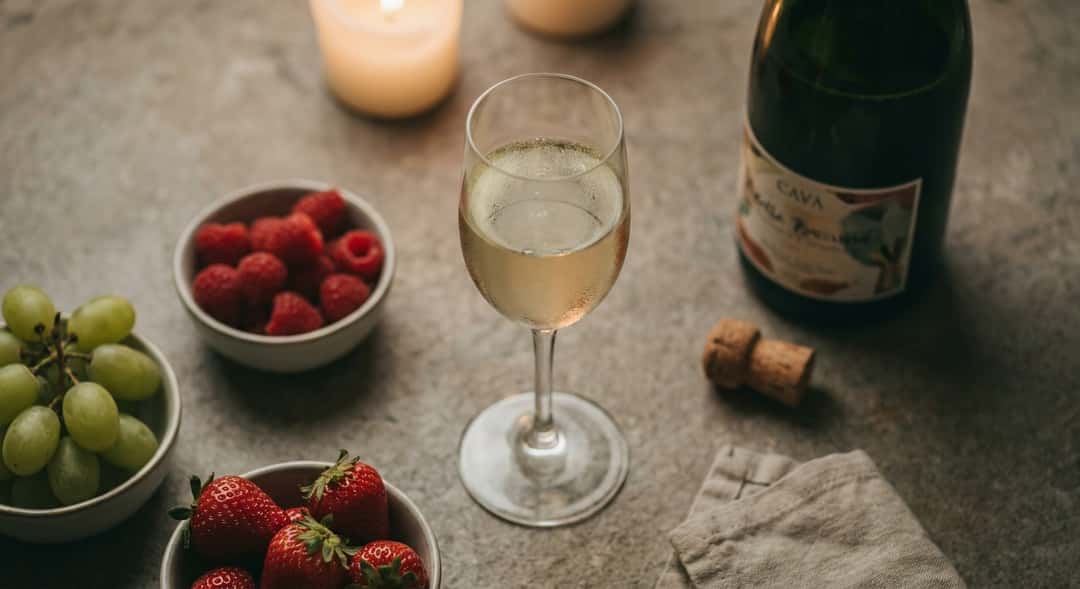

There is a moment you probably recognise: you are standing in the store, Easter is approaching, and you want something sparkling that actually tastes good – without emptying your wallet. Your eyes drift between prosecco and Champagne. But wait. There, a little further down the shelf, it stands. Cava. Spain in bottle form, and one of the wine world's best-kept secrets.
Let's talk about it.
What exactly is cava?
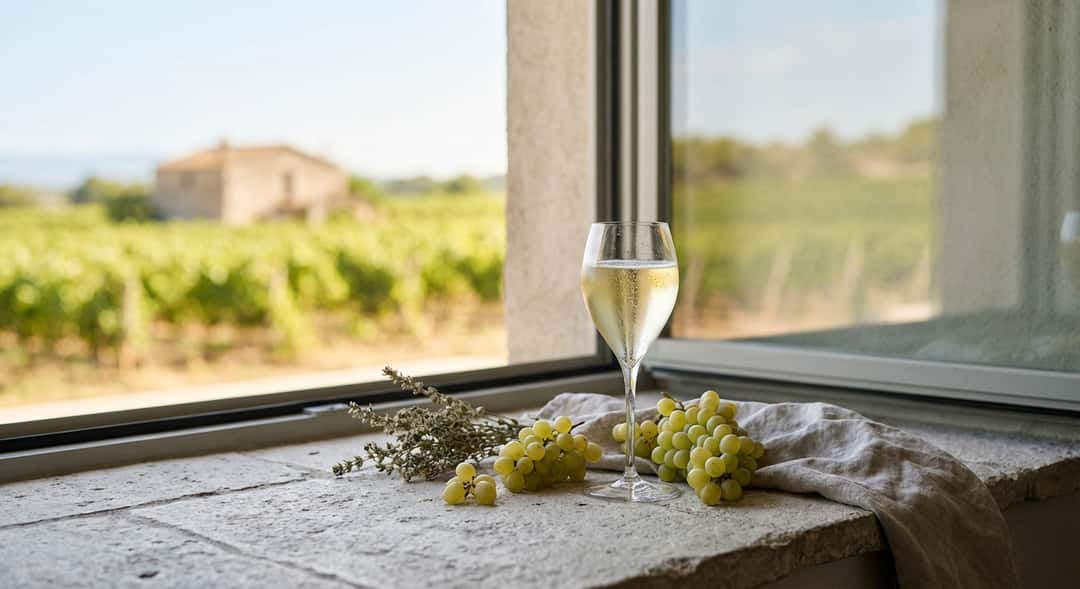
Cava is Spain's answer to Champagne – but it is not a copy. It is its own product with its own soul, its own grape varieties and its own terroir. While Champagne draws its character from the chalky soils of the Champagne region in north-eastern France, cava is primarily rooted in the Penedès region of Catalonia – a landscape of vineyards, olive groves and Mediterranean light.
The most important thing: cava is made using the méthode tradicionale – the same method as Champagne. This means that the second fermentation takes place in the bottle itself, which gives the fine, persistent bubbles and the complexity you do not find in prosecco, which is fermented in a tank. The result is a wine with more depth, a slightly broader taste profile and a mouthfeel that surprises many people the first time.
The three traditional grape varieties in cava are Macabeo, Xarel·lo and Parellada – white, Catalan grapes each with their own role: freshness, body and fine aroma. Macabeo provides structure and acidity, Xarel·lo contributes body and alcohol, while Parellada adds elegance and floral aroma. Many producers blend in Chardonnay for extra elegance, or Monastrell and Garnacha in rosé variants.
Why cava wins Easter
The Easter table is varied. It is about eggs and mustard, smoked salmon and gravlax, Easter chicken and prawns – and perhaps a little lamb towards the end of the weekend. This is a challenge for any wine, but cava handles it with a natural ease.
The tart, fresh character cuts through fat and saltiness, and the bubbles cleanse the palate between each mouthful. A cava brut nature – with no added sugar – works especially well with seafood and smoked dishes, where you want something dry and clean. A standard brut, with a little more roundness, is more versatile and suits most things that end up on the table during a long Easter lunch.
And then there is the price. A very good cava will cost you between 150 and 250 kroner. An equivalent Champagne costs twice as much – often more. It is not because the cava is inferior. It is because Catalonia is not Champagne, and that is not a problem at all.
Three cavas that deserve a place in the basket
Marques de Terrabona Cava Brut Nature is a fine introduction to the driest style. Brut nature means zero dosage – no added sugar after disgorgement. This gives a clean, mineral and fresh character that is somewhat reminiscent of a good Chablis in sparkling wine form. Citrus peel, green apple and a hint of almond. Perfect with prawns and aioli or a classic gravlax.
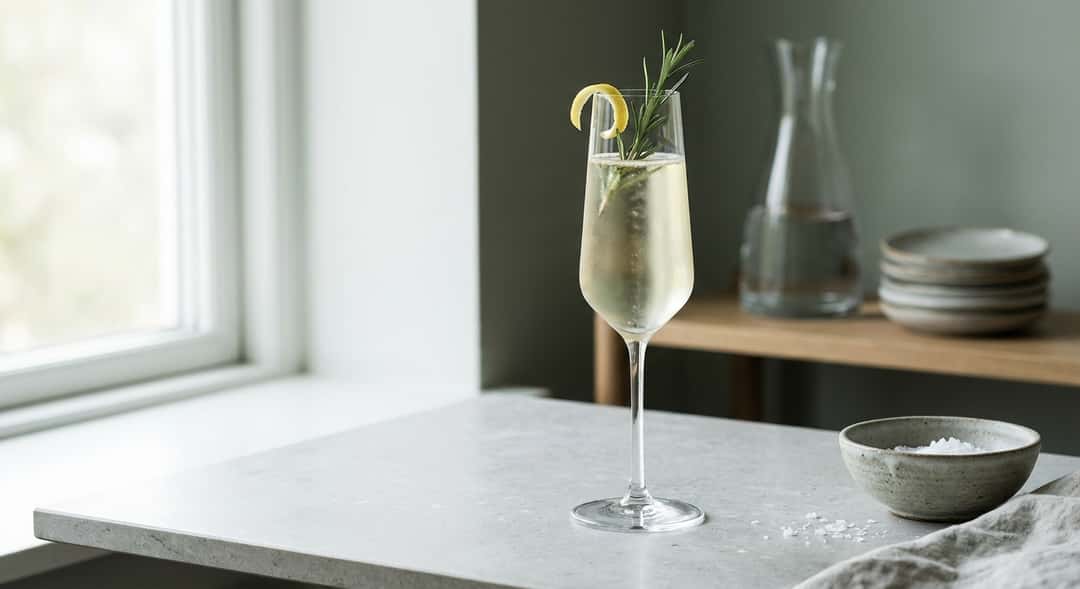
Muga Conde de Haro Cava Brut 2021 is something else entirely – and in a good way. Muga is one of Rioja's most respected names, and they bring the same precision and seriousness into their cava. Made from Chardonnay and Viura, with 30 months on the lees, this wine has a creamy mouthfeel and a little more complexity than you expect at the price point. Think yellow apples, brioche and a long, fresh finish. It holds up well throughout the entire Easter dinner.
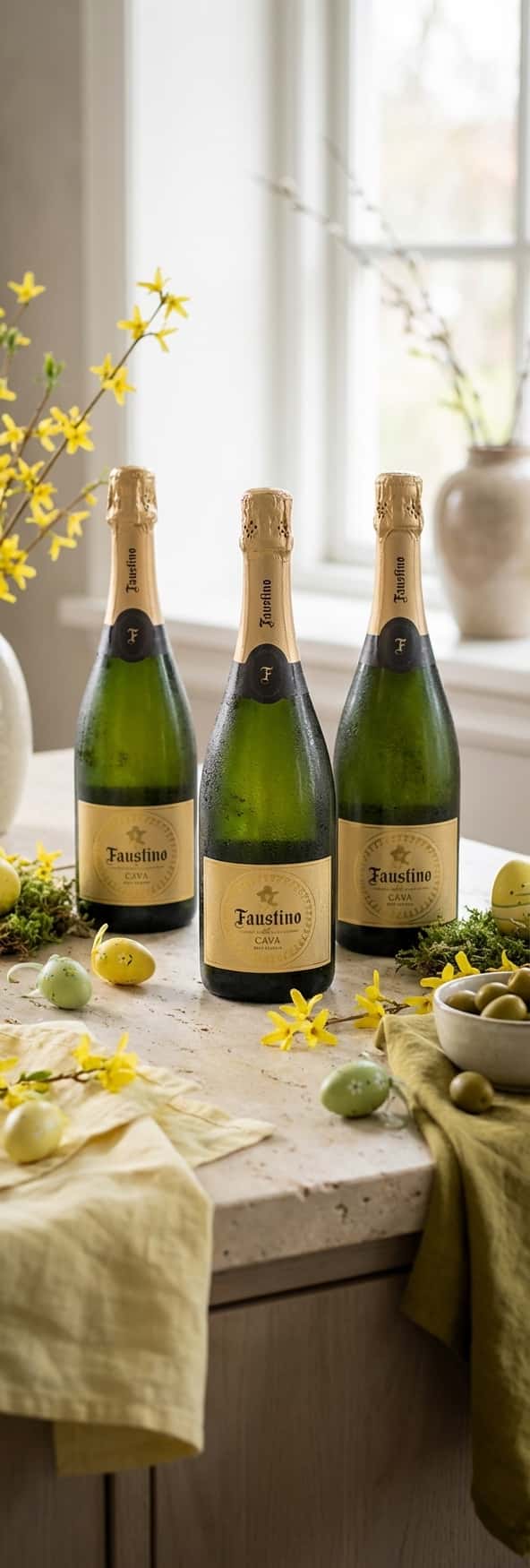
Faustino Cava Brut Reserva is the safe, reliable choice for those who do not want to experiment. Faustino has wide distribution and solid quality – a classic cava with soft bubbles, a fruity nose and a pleasant balance between acidity and roundness. Easy to like, hard to criticise. Think green pears, white flowers and a delicate yeastiness.
Rosé cava: for those who want a little more celebration
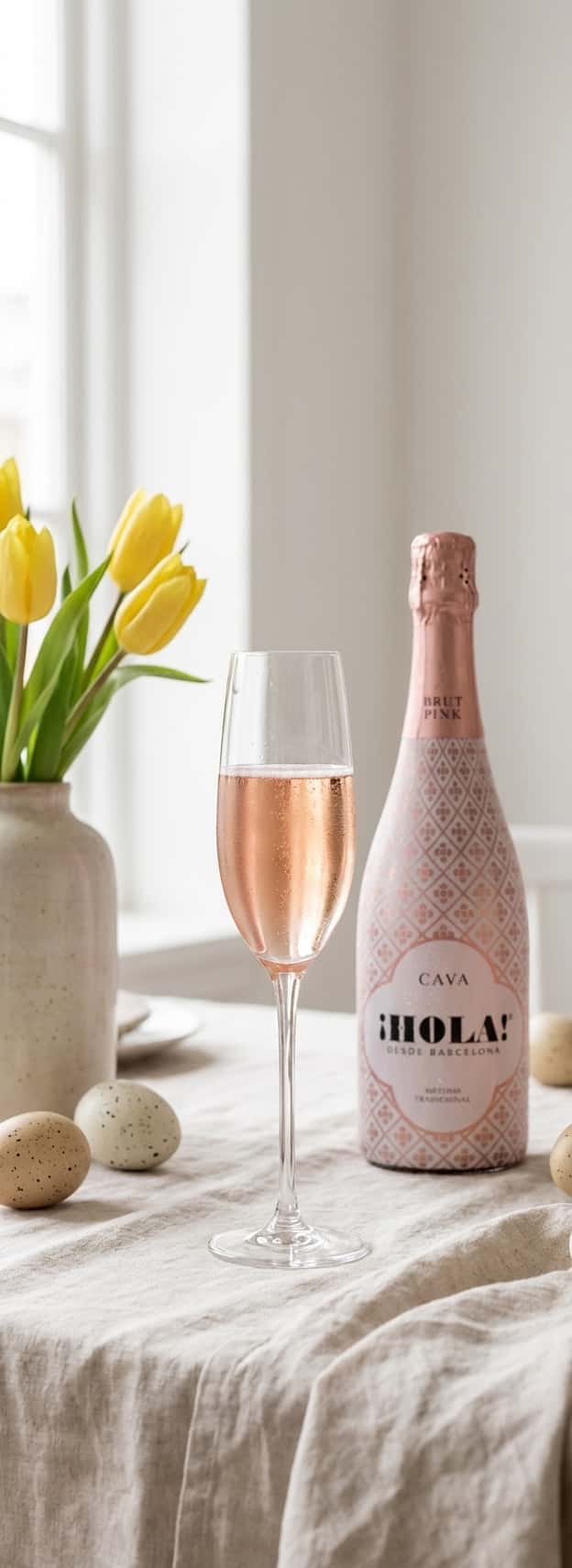
If you want colour and fruit in the glass, rosé cava is a strong candidate. Cava Hola! Cava Pink Brut is a simple, cheerful and approachable bottle – made from red grapes, with strawberry and cherry in the glass and a vivid pink colour that looks fantastic on an Easter table decorated with tulips. It is not complex, but it is enjoyable, and sometimes that is exactly what is needed.
How to serve your cava
Cava deserves to be served properly chilled – around 7–9 degrees. Use a Champagne flute rather than a wide coupe, so the bubbles have room to rise and the aromas gather at the opening. Leave the bottle in the fridge overnight, or in an ice-filled bucket for 20–25 minutes just before serving.
Open the bottle calmly. Do not shake it, do not pop it for drama. Twist the cork out with control, and enjoy the sound of the gentle hiss. Cava is a wine that likes to be treated with respect – even though it costs far less than its neighbour on the shelf.
The underrated wine deserves its place
There is something rather touching about cava's position in the wine world. It is made with just as much care as many Champagnes, from grape varieties that have grown in Catalonia for hundreds of years, by families who have devoted their lives to understanding their soil. And yet it so often ends up as a budget option in people's minds.
But things are beginning to change. Sommelier circles in London and New York have for years pointed to cava as one of the best value-for-money combinations in the sparkling wine world. It is no longer a secret – it is simply a matter of time before Norwegian consumers fully embrace it.
This Easter, you can make a start. Buy a bottle you have not tried before, chill it down, and toast with someone you care about. That is what Easter is really about – and cava is a very fine way to mark it.
Cheers, and happy Easter!