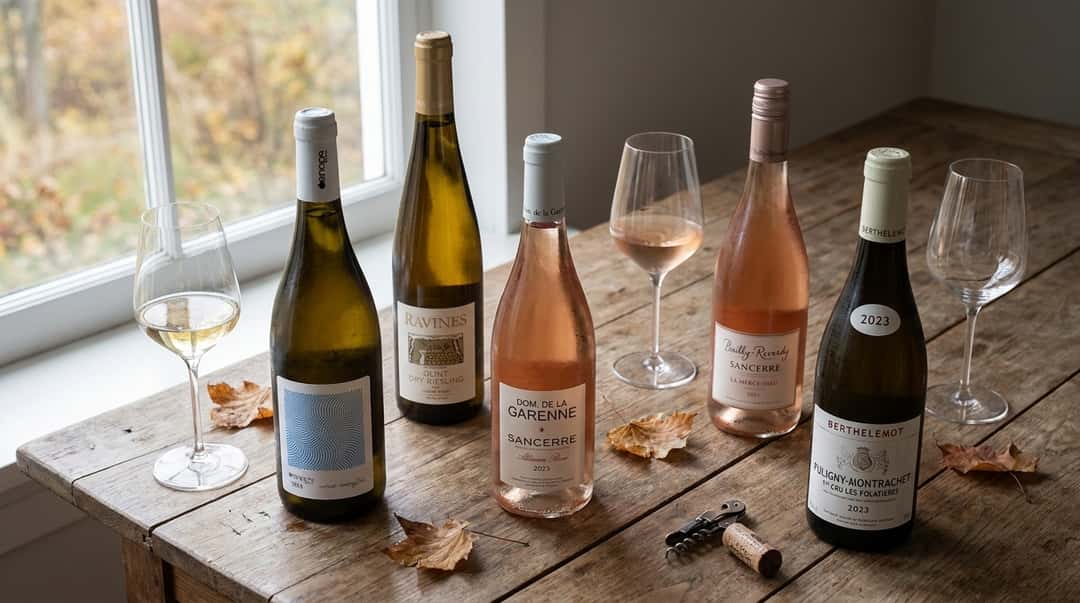
Every time the catalogue gets updated at Vinmonopolet, it's a bit like getting postcards from places you didn't know you were waiting to hear from. The update registered on 24 October this year is no exception: 17 new products have snuck onto the shelves. I've picked out five that say something about just how broad the selection actually is.
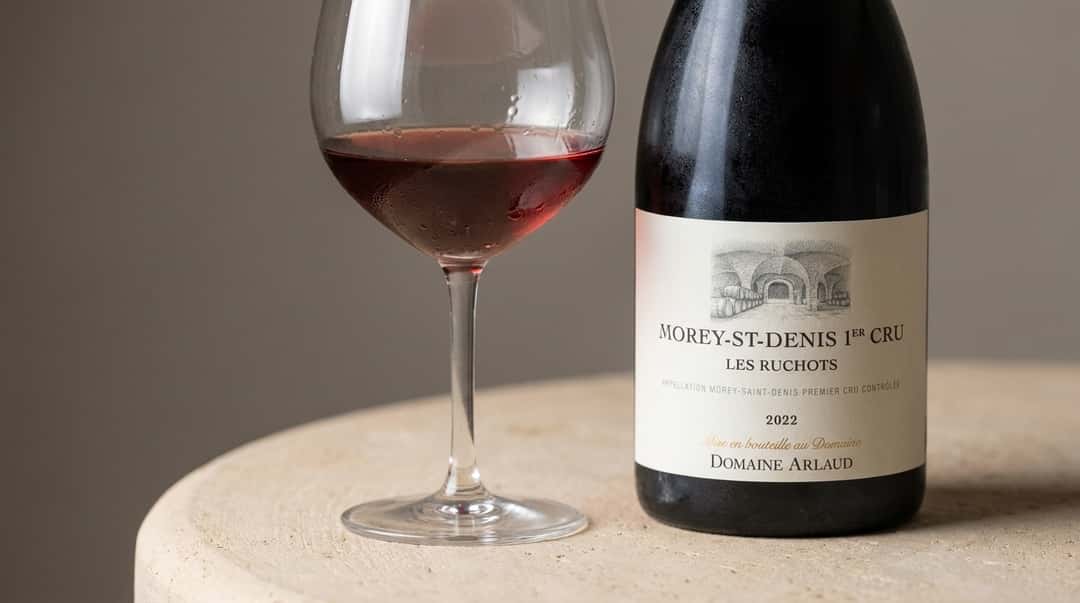
The most interesting bottle isn't necessarily the most expensive one, but the one that reminds you why a region has a reputation in the first place. Dom. Arlaud Morey-Saint-Denis 1er Cru Les Ruchots 2023 is a reminder that Burgundy is still the place you go when you want to understand why pinot noir gets so much attention. The village sits right in the heart of Côte de Nuits, a region where the grape rarely shouts – it whispers, but it says something you remember long after the glass is empty.

On the white side of the list, two bottles catch my eye for completely different reasons. Ch. Les Clauzots Blanc 2025 represents a classic, fuller white wine style that suits the season well now that autumn calls for a bit more body in the glass – nice with mushrooms or poultry in a cream sauce. Eschola Azahar Vinho Verde 2025 is the opposite: light, almost a little fizzy, a wine that reminds you Portugal still makes white wine that doesn't take itself too seriously.
Then there's Pauleczki-Vin Tokaji Late Harvest Sweet 2023, a sweet Hungarian white wine that belongs at the end of a meal, not the beginning. Tokaji is one of the oldest sweet wine styles in Europe, and it's fascinating that a small bottle like this one can hold so much concentrated fruit sweetness. It's made to be shared in small glasses on a dark autumn evening, not gulped down.
From Piedmont comes Fratelli Alessandria Dolcetto d'Alba 2025, a red wine that's often overlooked in favour of its more famous neighbours barolo and barbaresco. Dolcetto deserves a better reputation: soft, fruity and easy to like, the kind of wine that doesn't require much thought before the next sip – perfect with a simple stew as the evenings grow dark earlier.

What I'm left with after going through this round is that a catalogue update rarely comes down to one big piece of news. It's about small shifts – a burgundy here, an overlooked dolcetto there – that together remind us how much is actually moving in the selection, even in a perfectly ordinary week in October.