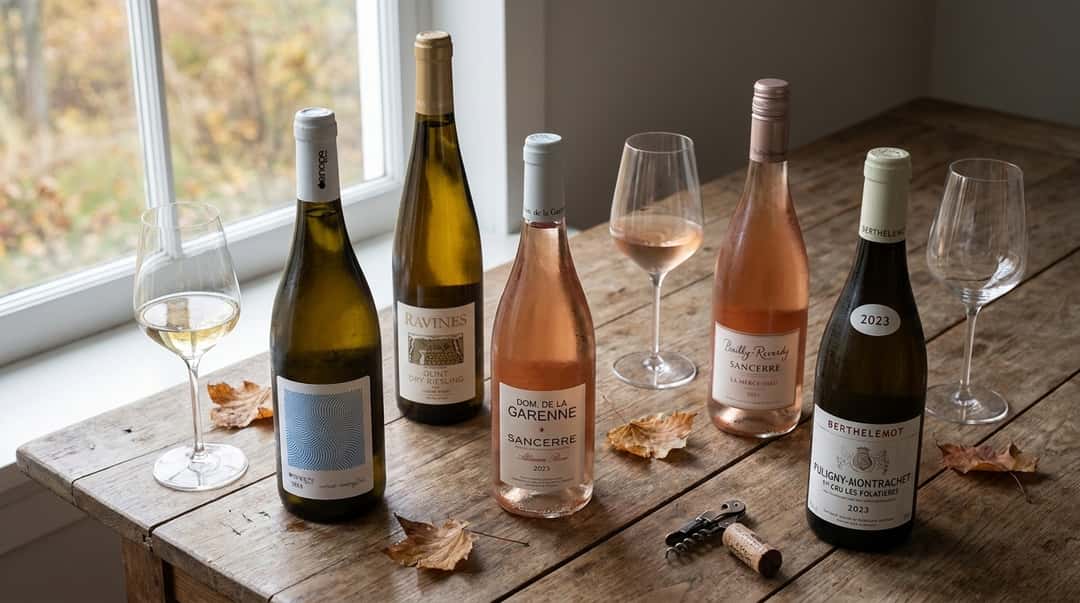

There's something special about this time of year. The leaves change colour, the soup pot comes back out, and Vinmonopolet fills up with new bottles that fit perfectly with autumn's slightly heavier, warmer meals. This week five newcomers have snuck into the selection, taking us on a journey from volcanic Greek islands to the most prestigious plots of land in Bourgogne. Let's take a closer look.
Crete comes alive
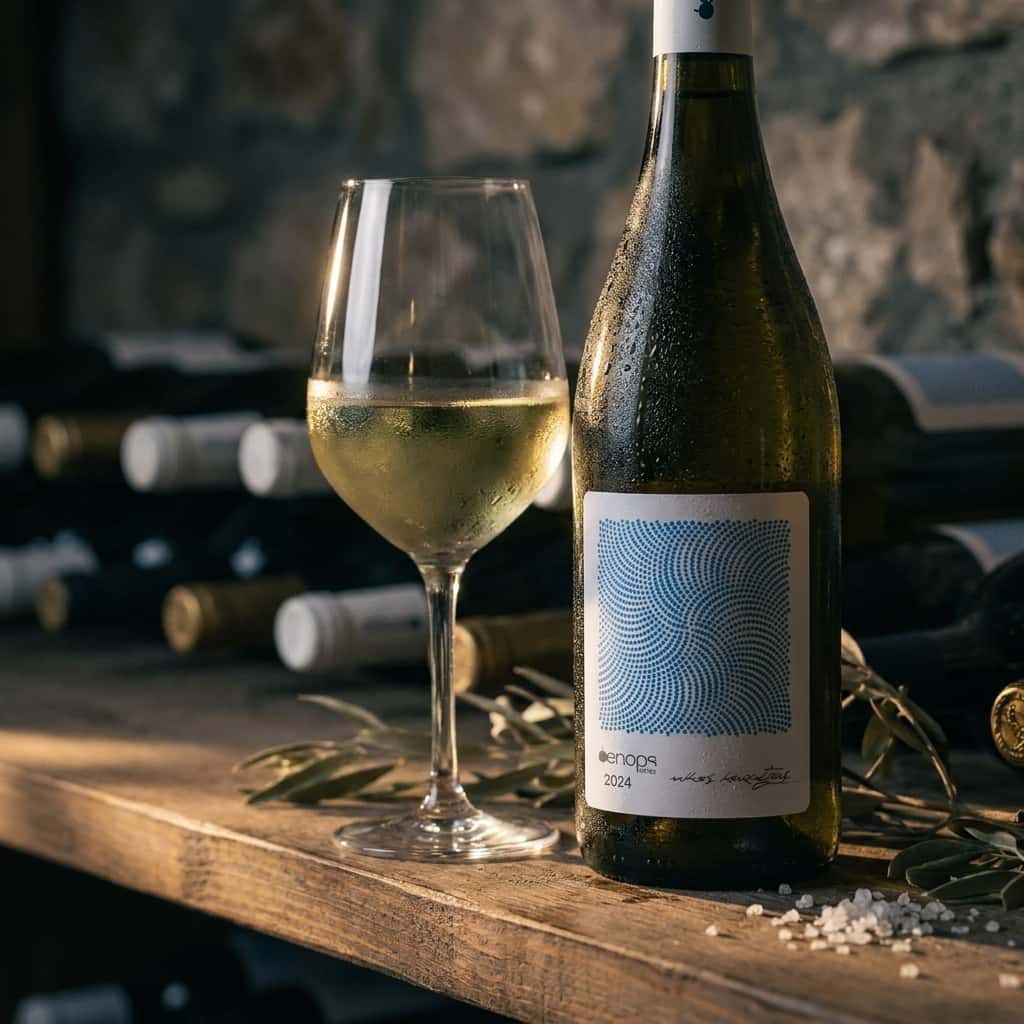
We start in Greece, more specifically on Crete, where Oenops Vidiano 2024 (299 kr) is made from a grape most of us have never heard of. Vidiano is an old, almost forgotten Cretan grape that for many years lived in the shadow of better-known varieties, before a new generation of winemakers began taking it seriously again. The soil on Crete is often filled with limestone and remnants of ancient volcanic activity, which gives the wines a fascinating minerality. This is a white wine I think will surprise many – round in texture, but with a fresh, salty undertone that recalls sea air. Perfect with grilled fish or a simple feta salad on a Sunday that still feels like summer.
Riesling with an American twist
From the Mediterranean sun we jump to a far cooler climate: the Finger Lakes region in New York State, USA. Ravines Glint Dry Riesling 2020 (359.90 kr) comes from an area that often surprises people who don't associate the USA with elegant, dry riesling. The deep lakes in the region act as climate regulators and create conditions that resemble Mosel in Germany surprisingly closely. The result is a riesling with tart vigour and an almost stony character – ideal with autumn fish soups or an Asian-inspired noodle dish.
Two rosé interpretations from Sancerre
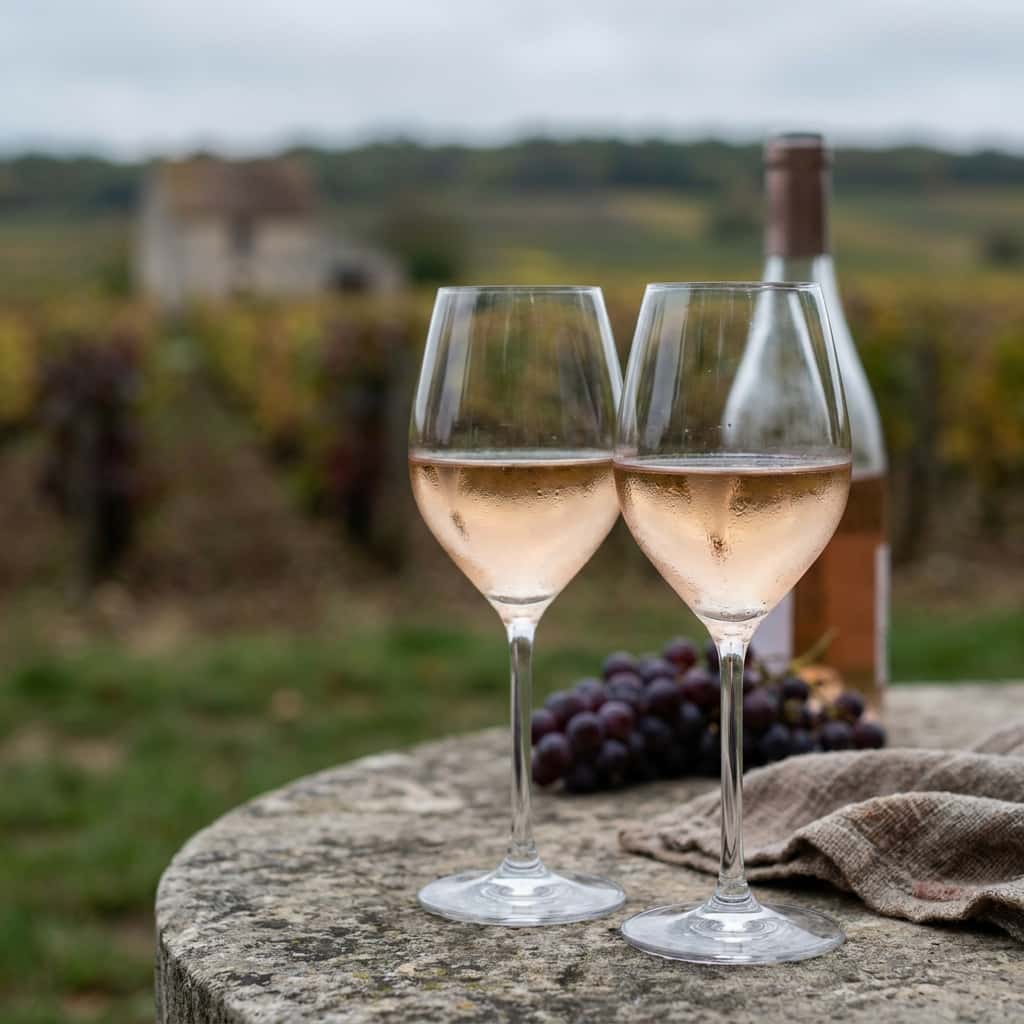
Sancerre is most often associated with sharp, citrus-fresh white wine made from sauvignon blanc, but the district also produces some of France's most underrated rosé wines from pinot noir. This week we get two examples: Dom. de la Garenne Sancerre Alliance Rosé 2023 (280 kr) and Bailly-Reverdy Sancerre La Mercy-Dieu Rosé 2021 (299 kr).
What makes these interesting is precisely the soil – the famous "silex" (flint) and limestone that give Sancerre's wines their characteristic vigour also finds its way into the rosés. This is not sickly-sweet rosé for terrace summers, but a gastronomic version with enough acidity and structure to handle autumn's slightly more powerful dishes, such as duck breast or game paté. My tip: serve them cool, not ice cold, so you get the full complexity.
Bourgogne's crown jewel
And then, the crowning achievement: Berthelemot Puligny-Montrachet 1er Cru Les Folatiéres 2023 (1199 kr). This is not a wine you buy for an everyday dinner – this is a wine you buy for an occasion, or to understand why Bourgogne has the reputation it has. Les Folatières is one of the more respected 1er cru sites in Puligny-Montrachet, known for its limestone-rich soil that gives chardonnay a rare combination of power and finesse. Berthelemot is a relatively small, family-run house that many connoisseurs have followed with interest in recent years. If you have the opportunity, cellar this for a few more years – or drink it now with a full-bodied fish dish with butter sauce, and let it show what limestone and patience can do to a grape.
My tip for you
This week's list is a nice reminder that the wine world is full of contrasts that can happily coexist side by side in your shopping basket: an overlooked Greek grape, an American riesling that challenges prejudices, two rosé interpretations from a district you thought you knew, and one of Bourgogne's most noble addresses. No price drops or price increases to report this week – just new bottles waiting to be discovered. Happy autumn, and cheers to curiosity!