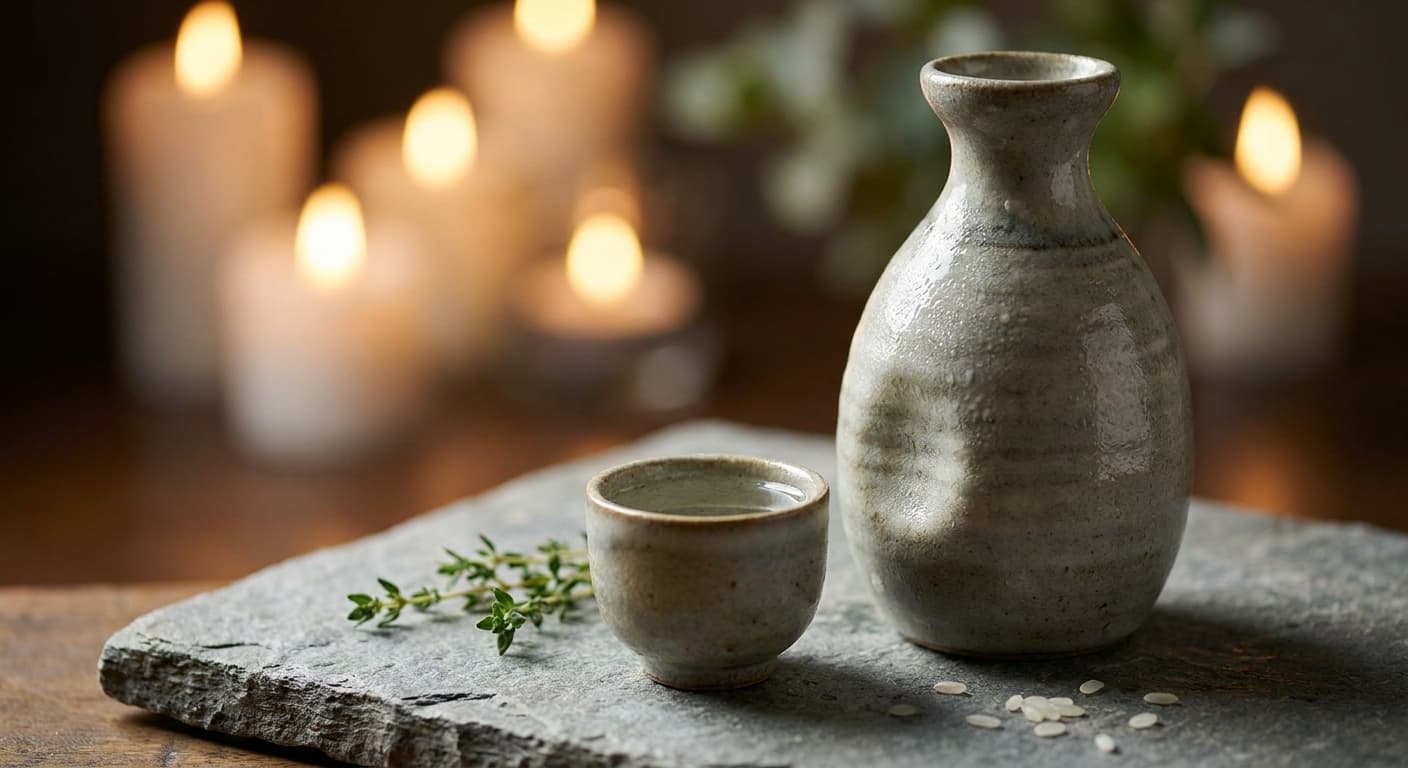

There's a drink that slides in between wine and beer without apologizing for it. It's not carbonated, not too sweet, not too heavy – and it has an ability to elevate simple summer food in a way that can surprise even the most die-hard wine lover. I'm talking about sake.
Most of us have encountered sake in a small warm ceramic cup at a Japanese restaurant. That's perfectly fine, but it's about as representative of the drink as warm soda is for champagne. Good sake, served chilled, is something quite different – and this summer it's time to give it a proper chance.
What is sake, really?
Sake is made from rice – polished, fermented and filtered with a craft that has thousands of years behind it. The degree of polishing determines the style: the more of the rice grain that is removed, the more delicate and aromatic the result. A junmai ginjo has a polishing ratio down to 40 percent of the grain, which gives a fruity, floral character. A simpler junmai retains more of the rice husk's earthy, umami-rich nature.
It's not the alcohol that dominates – most sakes sit between 13 and 16 percent – but rather a broad, soft depth of flavor that the Japanese call umami. The fifth taste. The one that makes your mouth want one more bite, and one more sip.

Sake with the grill – an unexpected pairing
Imagine smoky chicken breast with a light honey crust, grilled corn on the cob with butter and flaky salt, or a good salmon fillet with lemon squeezed over it. What's the natural drink? Most people reach for rosé or cold beer – and that's no mistake. But sake does something special here: it settles in alongside the food without competing for attention.
That's down to the umami. Sake naturally contains glutamates from the rice and fermentation, and these enhance the flavor of grilled meat, fish and vegetables in the same way that a few drops of soy sauce would. This isn't science for specialists – it's just good food and drink that understand each other.
With lamb and herbs, a slightly more robust junmai works brilliantly. With prawns and shellfish, a lighter ginjo style like Ninki Green Junmai Ginjo is like squeezing a lemon over the plate – the fresh, lightly green fruitiness lifts seafood flavors without overpowering them. The aromas are reminiscent of green apple and white blossom, and the aftertaste is clean and long.

Three styles to know
Junmai – the reliable classic
No added alcohol, just rice, water, koji mold and yeast. The flavor is fuller, slightly earthy, with a rounded umami that suits heartier dishes. Eigashima Shuzo Kamitaka Junmai is a good example: a sake that doesn't try to impress with perfume, but rather with a quiet, dependable fullness reminiscent of steamed rice with sesame and a hint of nuts. It can handle everything from grilled sausages to grilled aubergines with miso glaze.
Junmai Ginjo and Daiginjo – the aromatic side
This is where sake begins to blossom. Think peach, pear, jasmine blossom, fresh greenery. These sakes are made to be drunk chilled, ideally between 8 and 12 degrees. Zaku Kanade no Tomo Junmai Ginjo is a beautiful example – a sake with an almost white-wine-like elegance, fresh and long in the aftertaste, with a silky texture that never becomes heavy. It's the closest you'll get to a good white Burgundy without opening a bottle of wine.
Nigori – the unfiltered and accessible
White, milky, with bits of rice porridge in suspension. The flavor is softer and slightly sweet. For those new to sake, the nigori style is often the most accessible entry point. Tomio Nigori Yuzu Umeshu takes it a step further: here the creamy nigori character meets yuzu – the Japanese citrus that smells as if lemon and grapefruit had a child with hints of mandarin. It's a little summer dream in a glass, and it suits fruit salad, grilled cheese or dessert with berries in a way that's hard to argue against.

How to serve sake in summer
Chill it down. That's the most important advice. Most good sake styles are made to be experienced chilled, and many Norwegian hosts unfortunately serve them at room temperature because they think "rice = warm". Pop the bottle in the fridge for a couple of hours, or in an ice bath for 20 minutes.
Glassware also plays a role. You don't need special sake cups – an ordinary white wine glass works perfectly. It opens up the aromas and lets the drink unfold in a way that a small ceramic cup never will.
Servings? Sake is not beer. A serving of 6–8 cl is appropriate – the bottle will then go around many guests, and the alcohol doesn't accumulate as quickly as one might fear.
A small tip for the barbecue party: Put out a bottle of sake in an ice bath between the salad and the grilled food. Say nothing. See what happens. People are curious, and one taste is usually enough to spark interest.
Sake in cocktails – for those who want to experiment
Sake is also a surprisingly good starting point for simple summer cocktails. Mix junmai ginjo with a little tonic and a few drops of yuzu juice – it's lighter and more interesting than a classic gin and tonic. Or pour nigori sake over ice with a little sparkling water and a few mint leaves for a drink that's fresh enough to survive 25 degrees in the shade.
For those who want something even simpler: Ninki-Ichi Sparkling Junmai Ginjo is already lightly sparkling with just 7 percent alcohol – a straightforward summer drink that almost serves itself. Perfect for those who want something festive without it becoming too heavy.

If you try one thing this summer
Sake is a vast universe, and it can seem overwhelming. But it doesn't have to be complicated. Start with a chilled junmai ginjo at your next barbecue evening. Pick up some prawns or salmon. Let the sun do the rest.
You don't need to fly to Kyoto to understand what sake is all about. Sometimes all it takes is a Norwegian summer evening, a good bottle and an open mind.
Kanpai – as the Japanese say. Cheers.