
It started as an experimental evening at a small bar in Tokyo. A bartender and a head chef met across the bar counter with one shared ambition: What if we could serve a complete dinner – without a single plate of food? Just glasses. Just liquid. But with just as much complexity, satiety, and satisfaction as a classic five-course meal.
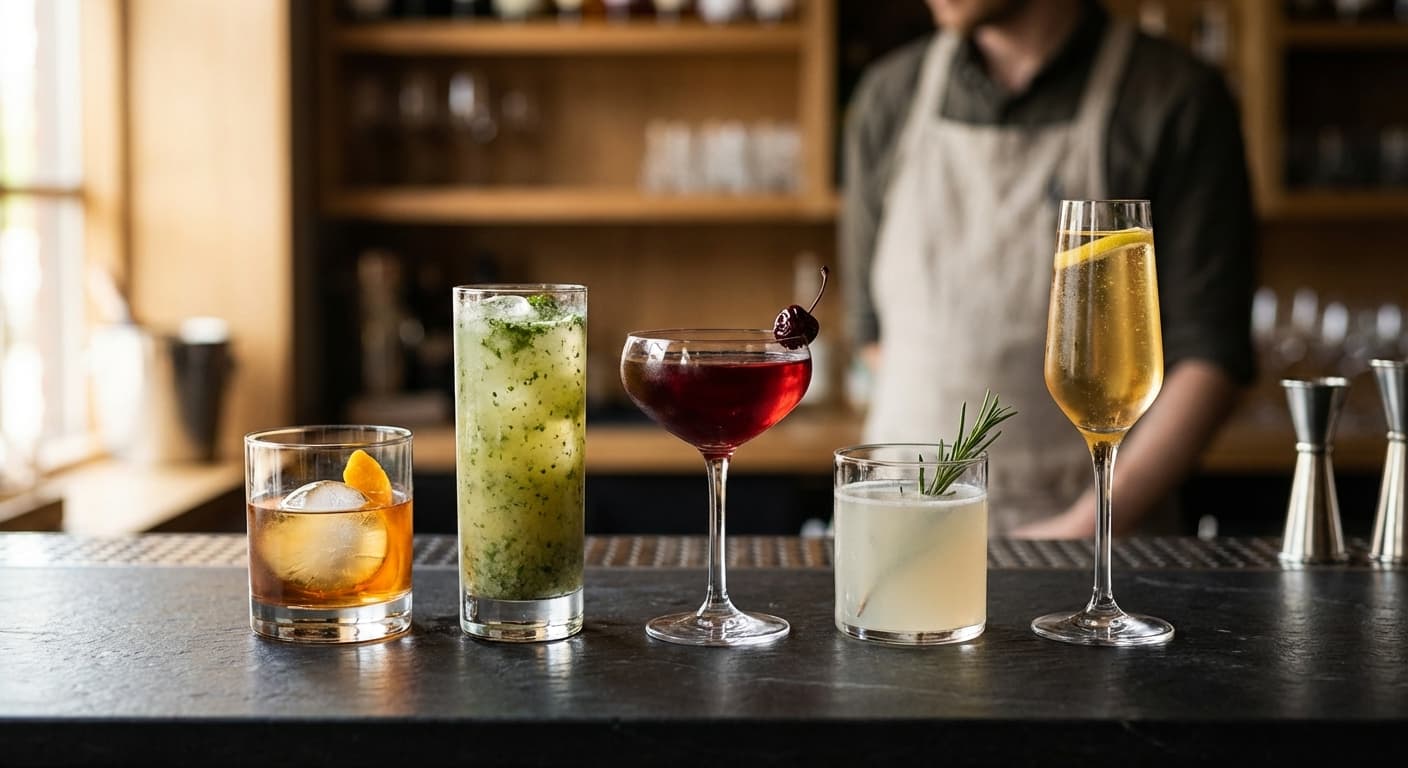
Today the concept is far from experimental. From Copenhagen to Tokyo, "liquid dinners" are now being served – cocktail tasting menus consisting of five to seven drinks, where each drink has a clear role in the dining experience. Starter, main course, dessert. All in glass format.
I have followed the development closely, and as a bartender this is some of the most exciting work I have seen in a long time. For the first time, we are not just working with flavor – we are working with satiety.

How can a drink satisfy?
It is about thinking like a chef. Traditional drinks are built on acid, sweet, and alcohol. But a proper meal requires umami, fat, salt, and texture. That is why bartenders have started experimenting with ingredients that are normally reserved for the kitchen.
Fat-washing has become standard technique. You infuse spirits with butter, bacon, parmesan, or sesame oil – and extract the fat afterwards. The result? A drink with body and mouthfeel that is more reminiscent of a velvet soup than a cocktail.
Umami enters through ingredients such as miso paste, soy sauce, dried mushrooms, kombu seaweed, or fermented products. I have tasted drinks where bartenders have used shiitake infusion in combination with sherry – it is like drinking a mild Japanese broth.
And then there is texture. Everything from chia seeds and avocado to gelatin and foam made from bone broth is used here. Yes, you read that correctly. In some places, drinks are served topped with foam made from real veal stock.
How to build a liquid menu at home
You do not need Michelin experience to create a cocktail tasting that works. Here is my method, step by step:
Start light and fresh. The first drink should be like an aperitif – light, tart, with a little bitterness to awaken the appetite. Think classic Martini territory, but perhaps with a hint of herbs or citrus.
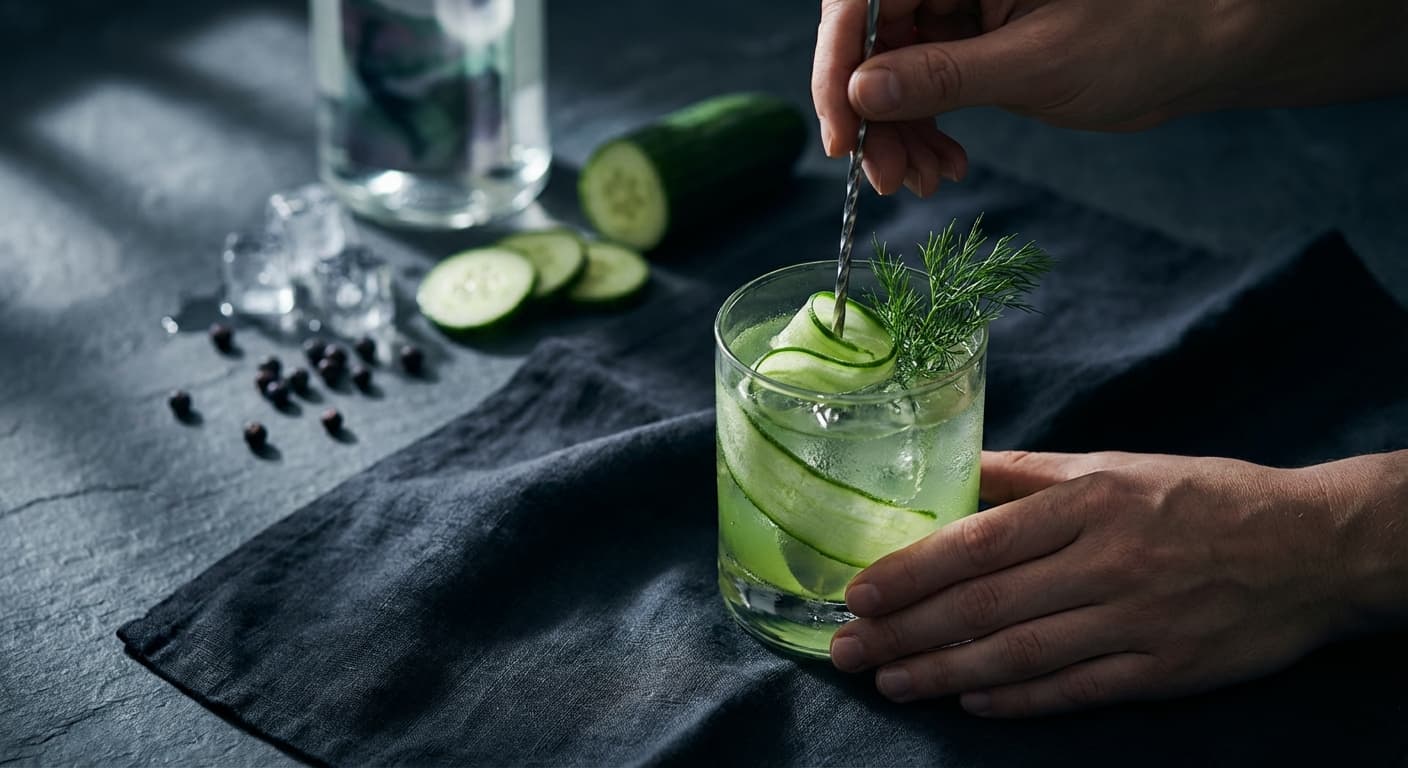
Gin or vodka works well here. If you want a little Nordic character, a botanical gin like Bareksten Botanical Gin can give you lovely herbal notes that introduce the palate nicely. It has 46% alcohol, so you do not need much – dilute with tonic or dry vermouth, and let the botanicals do the work.

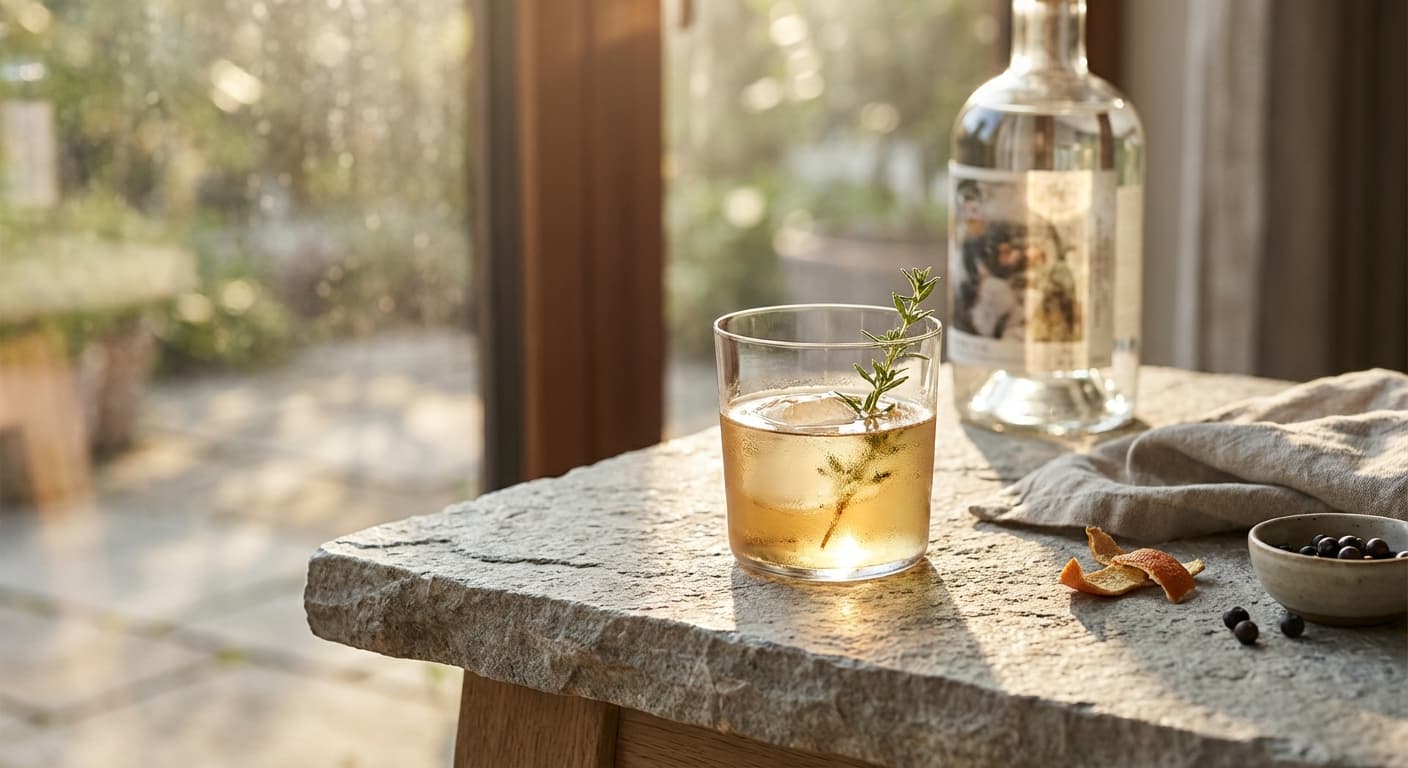
Build further with umami. Drinks two and three should have more weight. This is where fat-washing comes in. Try bourbon or whisky infused with butter and a drop of soy sauce, balanced with sweet vermouth and a few drops of Fernet Branca for bitterness and complexity.
Fernet provides an almost medicinal, herbal depth that cuts through fat in an incredibly elegant way. It is one of my absolute favorites when I want something that both challenges and balances. Use it sparingly – two or three drops are enough to elevate an entire drink.
Go sweet and round toward the end. Drink four or five can be your dessert. Here, cream liqueurs, coffee, and chocolate are your friends. Baileys Original Irish Cream is an obvious candidate – it has both fat, sweetness, and a creamy texture that closes out a menu perfectly.
If you want to be a little more creative, you can mix it with espresso, a dash of rum, and a hint of salt. Salted Baileys Espresso is one of the best things I know. Alternatively, you can go for something fresher and more tart – a limoncello-based drink with lemon foam and a touch of vanilla can also work as a light but satisfying finish.
Close with something clean. After such a heavy menu, the palate needs a reset. The last drink should be small, clean, and preferably based on spirits or a distilled liqueur. Limoncello, aquavit, or a short pour of something high-quality – like a small digestif to round off the experience.

What is happening internationally?
In Copenhagen, several bars have started offering "no-food pairings" – you order a drinks menu, not food. And the demand is there. People who for various reasons cannot or do not want to eat solid food are now experiencing fine dining in a completely new way.
In New York, some venues have taken it even further: they combine one drink with one small bite of food – but the drink is the main character. The food is just an accent. It turns the entire way of thinking about what "drinks with food" means on its head.
And in Tokyo – where this all started – some bartenders have begun collaborating with sake breweries and distilleries to create entirely custom-made bases for their liquid dinners. Bespoke sake, infused gin, barrel-aged cocktails. It is a development that truly shows how seriously this concept is being taken.
Three tips before you start at home
1. Work with portion size. A drink in a liquid menu should be 6–8 cl, not 12–15 like a regular cocktail. You need room for five or six glasses after all. Think tapas portion, not main course.
2. Vary the alcohol strength. Start low (10–12%), build up toward 15–18% in the middle, and lower it again toward the end. Otherwise it gets heavy – both in the head and in the body. Remember that this is a marathon, not a sprint.
3. Think balanced meal. Even though everything is liquid, the menu should give you protein (fat-washed spirits, fat from cream), carbohydrates (sweetness, syrup), and freshness (acidity, bitterness). The balance is just as important as in a traditional menu. Write down what each drink is meant to represent before you start mixing.
The future is liquid
I believe we have only seen the beginning. In five years, ordering a "7-course drinks menu" will be just as common as choosing a wine pairing today. Bartenders will work even more closely with chefs, and perhaps we will see entirely new types of venues – places that are neither bar nor restaurant, but something in between.
For me, as a bartender, this is a golden age. We are finally allowed to work with all the senses – not just taste, but the feeling of fullness, texture, and experience. It is no longer just about making a good drink. It is about making a meal.
And that, my friends, is magical.