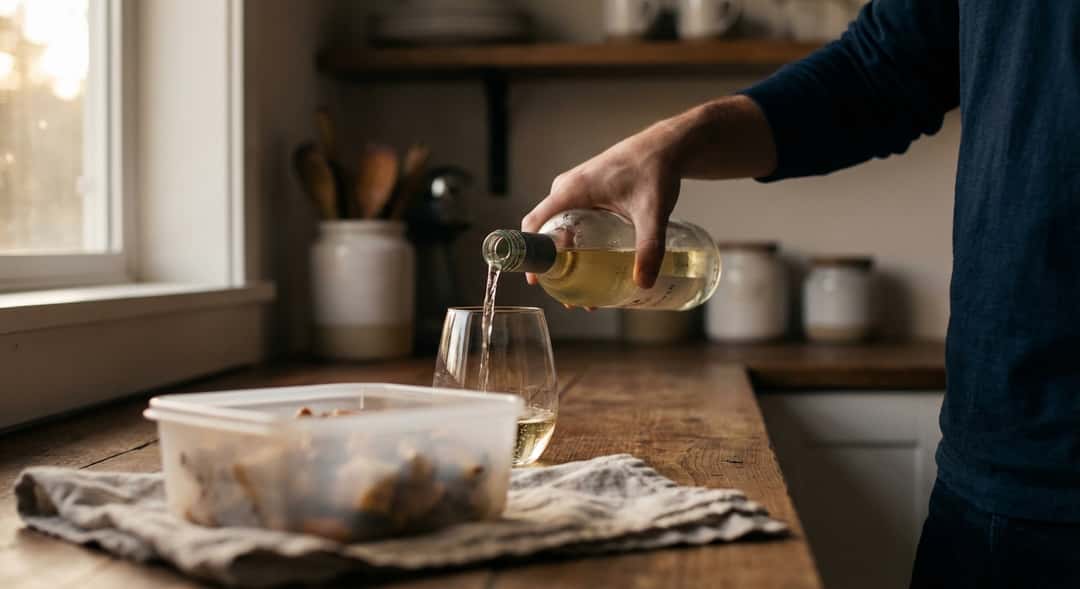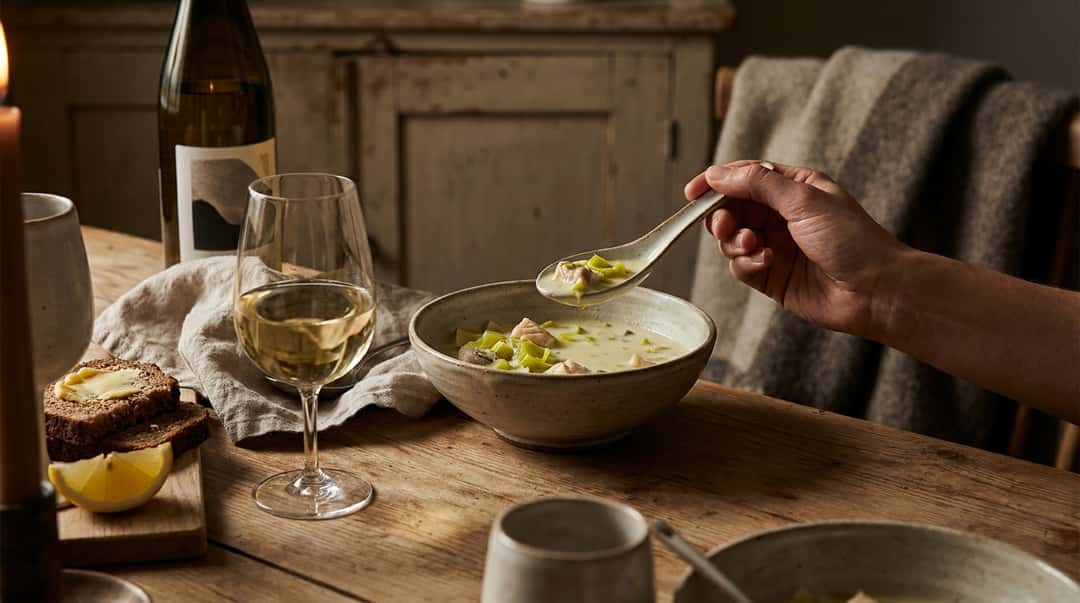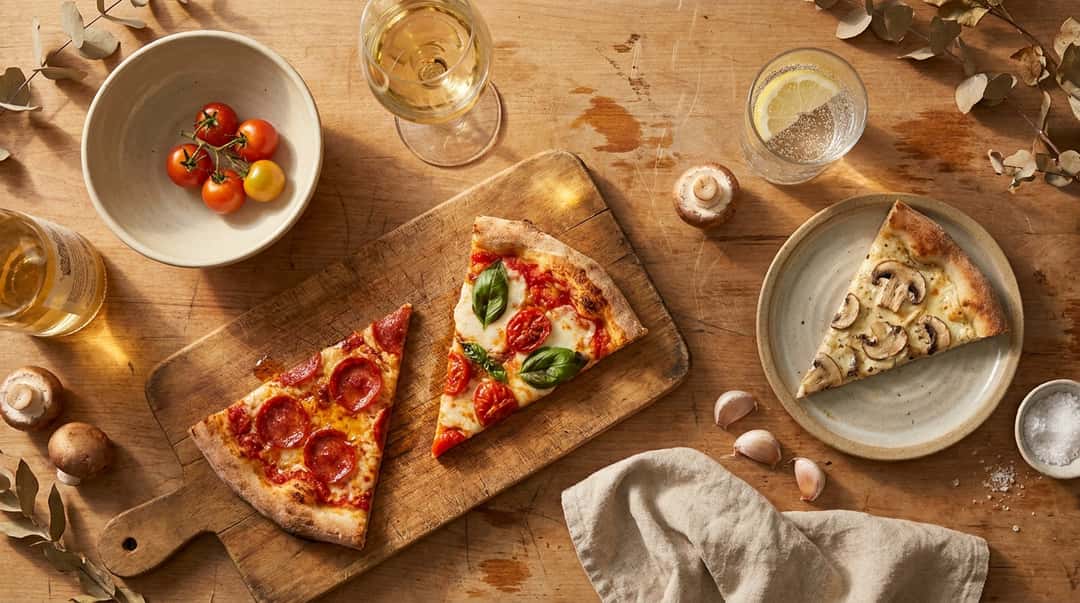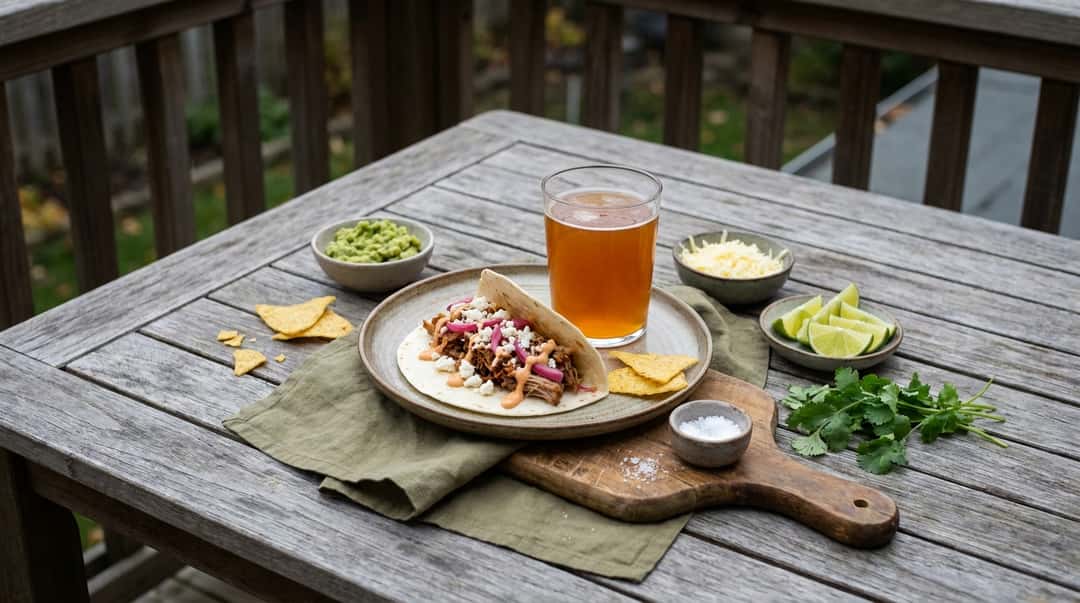

It is Wednesday evening. You have worked late and want to make a meal from leftovers: gratin, pizza or taco filling that has been stored correctly and is still within its storage life. Start with the flavours already in the food.
Most of us reach for water or a random beer. But there's actually a golden opportunity here: with the right drink, you can transform everyday leftovers into a meal that feels like a luxury dinner – with no extra effort.
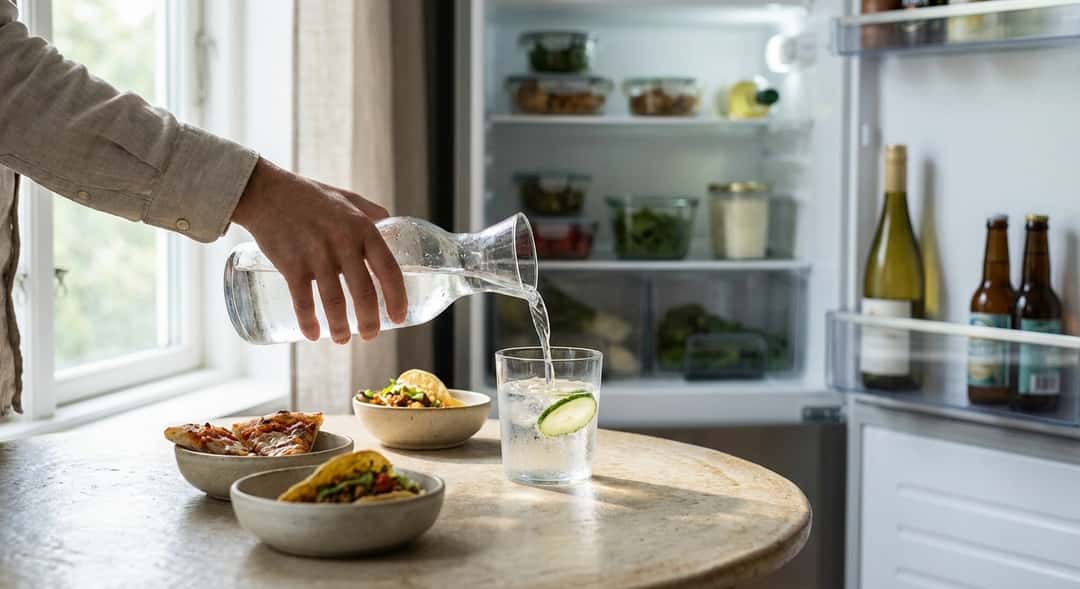
Why matching with leftovers actually works
As a brewer, I learned early on that flavor is about contrast and balance, not perfection. A greasy pizza needs acidity to cut through the oil. Cold chicken with a dry texture gets new life from something fresh and fruity. Gratin with cheese and cream cries out for something that cleanses the palate between each bite.
The great thing about leftover matching is that you can take shortcuts. The food is already made, often chilled, and you know exactly what you're working with. No surprises, just pure flavor balance.
And let me be honest: I've spent more hours finding the perfect drink for yesterday's leftovers than for many planned dinners. Because that's where the magic happens – when you take something everyday and elevate it with the right choice.
Pizza: Greasy, salty, and challenging
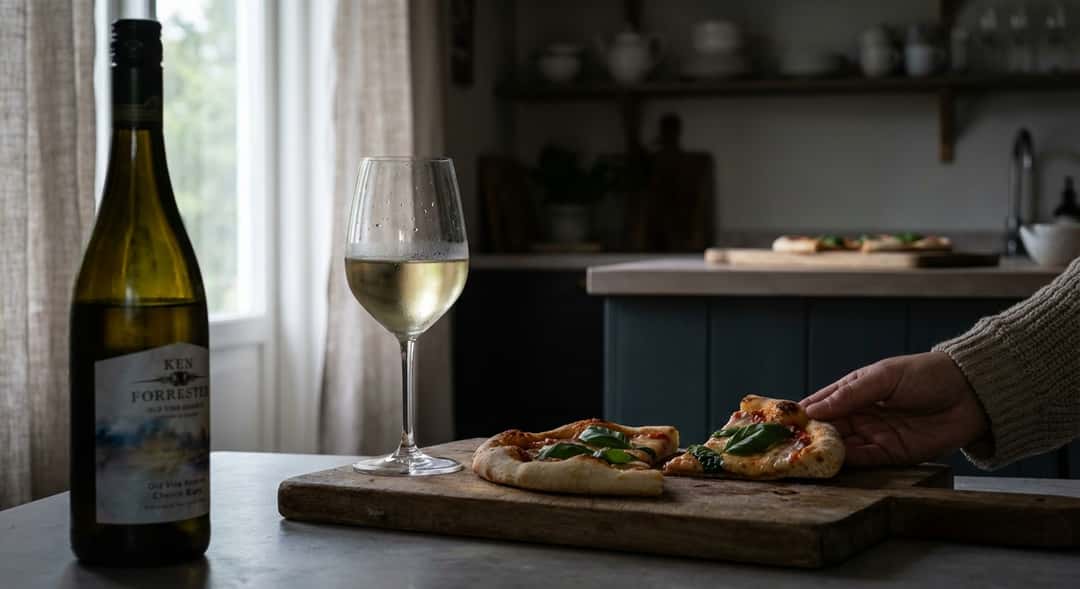
Yesterday's pizza is a classic, but also a challenge. Cold pizza tends to get a little rubbery, the cheese stiffens, and the fat sets. Here you need something with punch.
Non-alcoholic alternative: A robust ginger beer or kombucha with citrus cuts through the fat and adds freshness. I've also had success with an ice-cold tonic with plenty of lime – it works better than you'd think.
Beer: A pilsner or pale ale with good bitterness balances cheese and meat perfectly. Avoid heavy porters – they only amplify the heaviness. If you want something a little more exciting, try a Belgian Saison with a peppery finish.
Wine: Chenin blanc is my secret weapon for pizza. This grape variety has enough acidity to handle tomato sauce and fat, but also a fullness that matches the cheese. Ken Forrester Old Vine Reserve Chenin Blanc 2024 delivers exactly that balance – fresh, but not light. Old vines give extra depth that stands up to both pepperoni and gorgonzola.
Taco leftovers: Spice, fat, and texture
Taco leftovers are often a mix of meat, sour cream, salsa, cheese, and maybe some sad lettuce leaves. It might not sound fancy, but here you actually have a flavor bomb with a lot to work with.
Beer: A Mexican lager like Corona or Pacifico is the obvious choice, but also a little boring. Try a wheat beer or a witbier with coriander and orange peel instead – it lifts the spice and gives a fresh contrast to the sour cream. I've also had great experiences with a light IPA that isn't too bitter.
Wine: Riesling works surprisingly well here. The German style, with low alcohol and good acidity, tames the chili and brings balance to the salt and fat. Matthias Müller Bopparder Hamm Steilstück Riesling Trocken 2024 from the Rhine is a dry, mineral alternative that matches both spice and citrus. Steilstück means steep slope – the vineyards here produce wines with a distinctive minerality.
Spirits: A simple margarita (tequila, lime, agave syrup) takes the taco leftovers straight back to Mexico – and turns the whole meal into a deliberate experience. Don't go too fancy here; a classic margarita on the rocks is all you need.
Gratin: Cream, cheese, and heavy texture
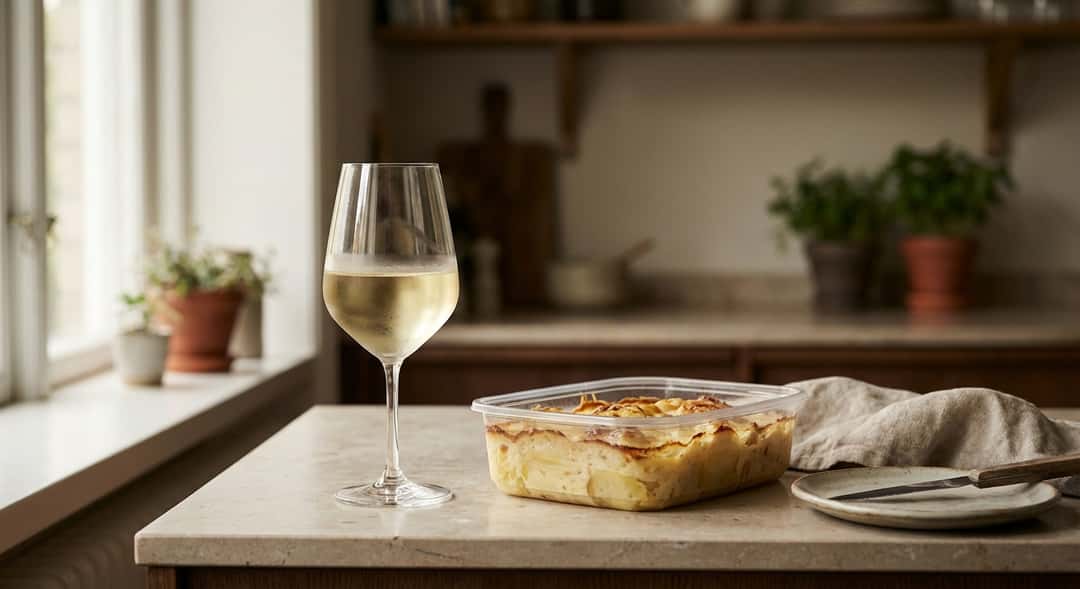
Gratin is comfort food in its purest form, but it can quickly feel heavy and monotonous – especially cold from the fridge. Here you need a drink that cleanses the palate and provides contrast.
White wine: Chardonnay with good acidity and minerality is the key. Avoid the heavy, barrel-aged varieties – they only amplify the fatty feeling. A Burgundian style with elegance and freshness, like Thierry Pillot Bourgogne Chardonnay 2023, gives enough body to match cheese and cream, but retains enough freshness to balance. Pillot is one of those producers who truly understands the balance between power and elegance.
Beer: A Saison or farmhouse ale with a dry finish and a touch of pepper cuts through cheese and cream in a fantastic way. Belgian beers are generally underrated with cheese-heavy dishes. I've also had success with a dry cider – apple and cheese is a classic combination.
Non-alcoholic: Apple cider (without alcohol) or a dry kombucha with apple and herbs matches surprisingly well – the acidity and fruit lift the whole dish.
Cold chicken: Dry, mild, and boring?
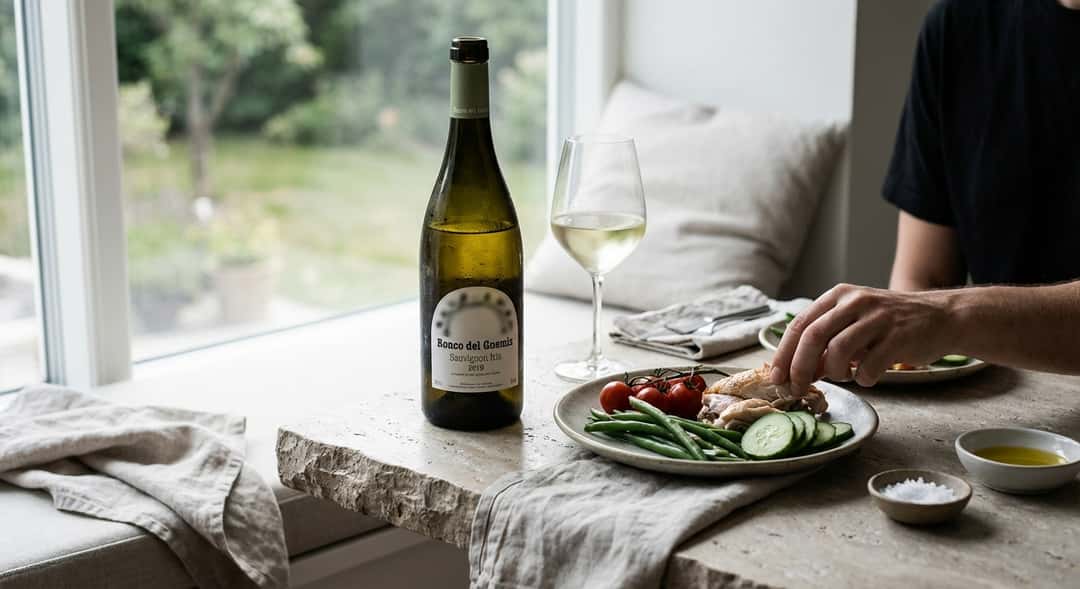
Cold chicken from yesterday's dinner is often dry and needs help. Here it's about adding freshness and fruitiness, not more heaviness.
White wine: Sauvignon blanc is the obvious choice, but can become a little one-dimensional. Try a Grüner Veltliner (Austrian) or a modern Italian white wine with herbs and minerality instead. Ronco del Gnemiz Sauvignon Iris 2019 from Friuli has the aromatic profile needed – flowers, herbs, and fresh fruit. The Iris series is made with extra care, and it shows.
Beer: A light lager or a Belgian blonde ale gives a refreshing drinking experience without overwhelming the mild chicken. If you have access to a Japanese lager like Asahi or Sapporo, that's also a brilliant choice – clean, fresh, and elegant.
Cider: Apple cider (with or without alcohol) is perhaps the best choice – fruity, fresh, and with enough acidity to give dry chicken new life. I've also had luck with a pear cider, which gives a little more body.
Practical tips for leftover matching
When you're standing in front of the fridge wondering what to drink with your evening meal, think about these simple principles:
Fat needs acidity – White wine with freshness, beer with bitterness, or cider cuts through cheese and cream. This is the most important rule. If the food feels heavy, you need something that cleanses the palate.
Spice needs fruit or sweetness – Riesling, wheat beer, or fruit drinks tame chili and balance spice. Don't try to match spice with spice – it just becomes chaos.
Dry food needs freshness – Cold chicken or bread needs something with acidity or fruit to prevent the meal from feeling flat. Think of it as adding the missing dimension.
Matching is about balance, not perfection – You don't need Michelin-level precision for it to work. Experiment. Some of my best discoveries have come from random combinations.
Temperature matters – Cold food often needs colder drinks. Warm up the gratin a little, and suddenly more options open up. Room-temperature red wine with cold pizza? Forget it. But ice-cold rosé? Maybe.
Everyday luxury without planning
The great thing about leftover matching is that you don't have to build the whole dinner around the drink. You take what you have, find something that matches, and suddenly the everyday meal feels like a deliberate experience.
I've been doing this for years, both as a brewer and as a lazy home cook. Sometimes I hit the mark – like the time I discovered that wheat beer and cold pizza is actually a stroke of genius. Other times I learn that porter and gratin don't work together.
But the point isn't to get it perfect every time. The point is to elevate what you already have, with no extra effort. The leftovers in the fridge deserve better than tap water.
And if you're going to bother finding the right drink, why not make it a small exercise? Next time you're standing there with the plastic container in hand, think: What does this food need? Acidity? Fruit? Bitterness? Freshness?
It takes ten seconds, and suddenly you don't just have dinner – you have an experience.