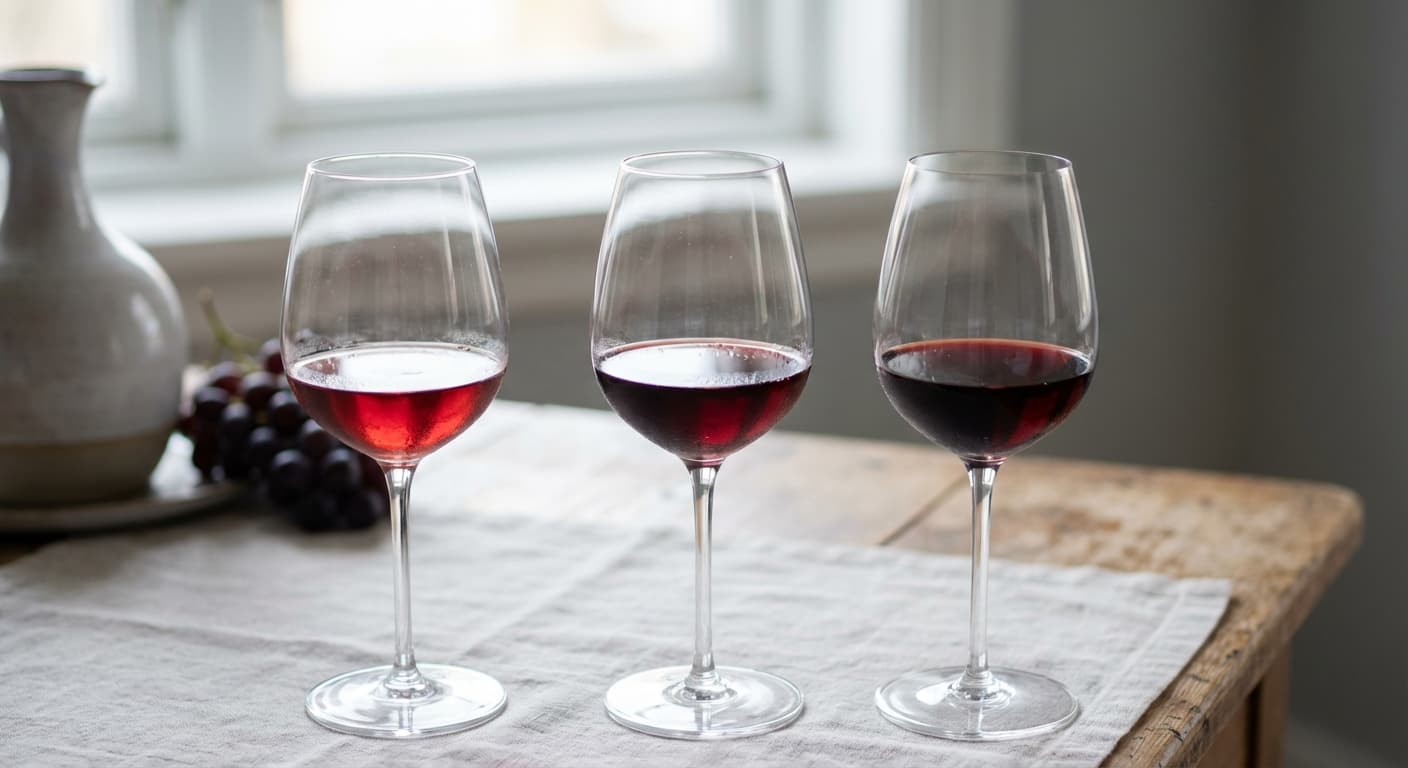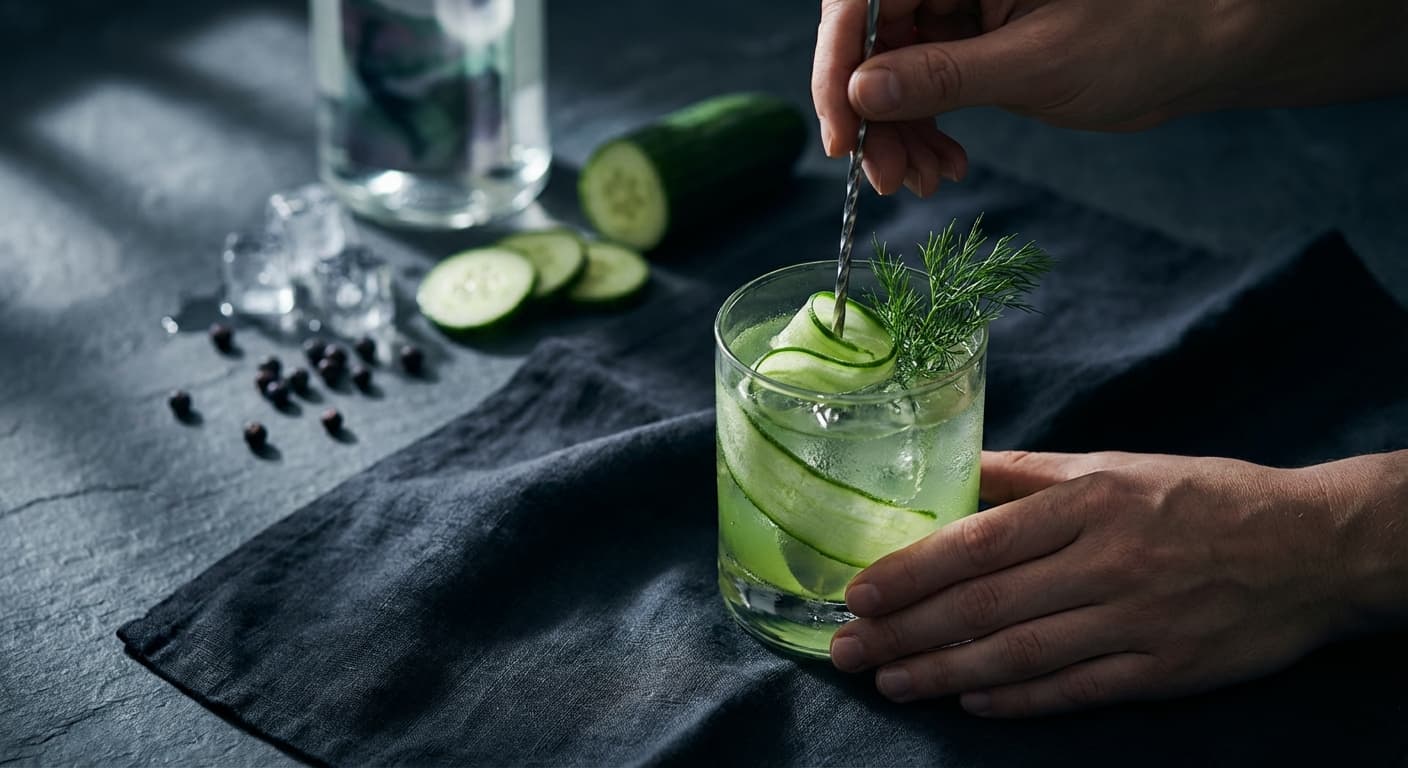


It is early January evening, and you have just poured yourself an Old Fashioned. In the glass sits one solid, crystal-clear ice cube. You let it rest there, watching the liquid slowly cool down, and take the first sip. The mood is there. But what would have happened if you had used crushed ice instead? Or if the ice cube had been small and full of air bubbles? The answer is: everything would have changed.
Ice is not just cooling. It is an active ingredient that affects taste, aroma, strength, and mouthfeel. And in 2026 we are seeing a trend where both the industry and enthusiasts take ice quality – and ice shape – just as seriously as the choice of spirits. From Negroni Sbagliato to whisky on the rocks: the ice determines how the drink develops in the glass.

The Physics Behind It: Surface Area and Melting
It is all about surface area. The more surface area the ice has, the faster it melts. Crushed ice has an enormous amount of surface area relative to volume, which means it melts extremely quickly. One large ice block has minimal surface area – and therefore lasts much longer.
When ice melts, two things happen simultaneously: the drink is diluted, and the temperature drops. Both affect the taste. Cold liquids suppress aromas and sweetness. Water dissolves the alcohol and lets other flavors come forward. It is a balancing act – and the balance changes continuously as you drink.
Let's say you make a whisky on the rocks. With one large ice cube – say a 5x5 cm block – the whisky will cool down evenly and slowly. You get a controlled dilution over 20–30 minutes, and the flavor opens up gradually without becoming watered down. With small ice cubes? You get a sudden chill, and after five minutes you have more water than whisky. The aromas disappear.

For example, with Pokeno Origin Single Malt Whisky – a newer whisky from New Zealand with 43% alcohol – one large ice cube will let you experience the fruity nuances and the light spiciness over time. Use too much ice, and the details drown.
Crushed Ice: When Dilution Is the Point
But not all ice is meant to last long. Some drinks require crushed ice.
Think of a Mint Julep or a Whiskey Smash. Here, crushed ice is the very signature. It fills the glass, creates a frosty mist on the outside, and melts quickly enough that the drink becomes silky smooth and easy to drink. The aromas from mint or citrus are lifted by the constant cooling, and the rapid dilution balances the sweetness from the syrup.
The same principle applies to a Bramble or a good Gin & Tonic with lots of botanicals. Here, crushed ice will keep the temperature down while gradually releasing the flavors. With ice cubes that are too large, the drink becomes too strong, too warm, too alcohol-forward.

The Shape That Changes the Experience
But it is not just size that matters. The shape of the ice affects how you drink.
Large round ice balls – often called ice spheres – have become popular for whisky and cocktails like Old Fashioned. They are not just stylish; they also provide more even melting than cubes, because the sphere's shape minimizes surface area even further. This gives you more time at the optimal temperature with minimal dilution.
Thin, square ice cubes (like most home freezers produce) often have air bubbles and cracks. They melt unevenly and quickly. The result? A drink that changes character too fast – first ice-cold and strong, then lukewarm and watered down.
Crystal-clear ice, on the other hand, is frozen slowly without air bubbles. It melts slowly and evenly, and gives a cleaner, more precise taste experience. Bartenders use expensive ice machines to achieve this. At home, you can make it yourself by freezing water in an insulated box (like a small cooler bag) – the air is pushed out, and you get glass-clear blocks.
Testing: Same Drink, Three Types of Ice
I tested this myself with a simple whisky highball: 4 cl whisky, 12 cl mineral water, and a slice of lemon.
With small ice cubes (standard freezer): The drink became ice-cold in seconds, but the meltwater flooded it after a few minutes. Towards the end it tasted mostly like water with a hint of whisky.
With crushed ice: Fantastic at first – fresh, light, aromatic. But after five minutes it was more slush than drink. Too fast a decline.
With one large, clear ice cube: Bingo. The drink stayed cool for 20 minutes, and the flavor was consistent all the way through. The whisky opened up, the lemon balanced it out, and the dilution was perfect just as the glass was empty.

What About Winter Drinks?
Winter is peak season for drinks with depth: whisky, rum, heavy cocktails. And here the choice of ice is especially important.
A Boulevardier (whisky, sweet vermouth, Campari) needs one large ice cube to maintain the balance between bitterness and sweetness. Too much dilution destroys the structure.
A Tenjaku Blended Whisky – a Japanese blend with 40% alcohol and light, floral notes – is perfect for a simple mizuwari (whisky diluted with water and ice). Here, one to two large, crystal-clear cubes will give you a quiet, contemplative drink that develops slowly.

Want something bolder? Smokehead Rum Rebel Islay Single Malt Scotch Whisky (46% alcohol, bold smoke and rum barrel aging) can handle a bit more dilution – it is powerful enough to hold its character even with crushed ice. But I still recommend one solid piece to let the smoke shine without drowning.
Practical Tips for Better Ice at Home
Use boiling water: Boil the water before filling your ice tray. It removes air and impurities, and gives clearer ice.
Freeze slowly: Turn the temperature down a little, or insulate the tray. Slow freezing gives fewer cracks.
Invest in one large mold: A 5 cm ice cube mold costs under a hundred kroner and transforms your drinks.
Make extra and store: Large ice cubes keep in the freezer for weeks. Make a batch, store in a freezer bag.
Match the ice to the drink: Whisky, rum, stirred cocktails → large ice cube. Shaken drinks, tropical cocktails → crushed ice. Highballs, gin & tonic → medium cubes.
Conclusion: Ice Is Not Just Ice
Next time you pour yourself something good, ask yourself: what kind of ice does this drink need? Should it stay strong and precise, or become light and refreshing? Should it last half an hour, or be drunk in five minutes?
The ice decides.
And it is not snobbish to care. It is like thinking about which glass you use, or how much tonic you pour in. Everything affects the taste. The difference is just that ice is something you can actually control – completely free, at home in the freezer.
So next time someone rolls their eyes when you bring out the large ice mold? Pour them two drinks. One with crinkle ice from the machine, one with your perfect, crystal-clear cube. Let them taste the difference. They will ask for the recipe.