
When the feast table got smarter
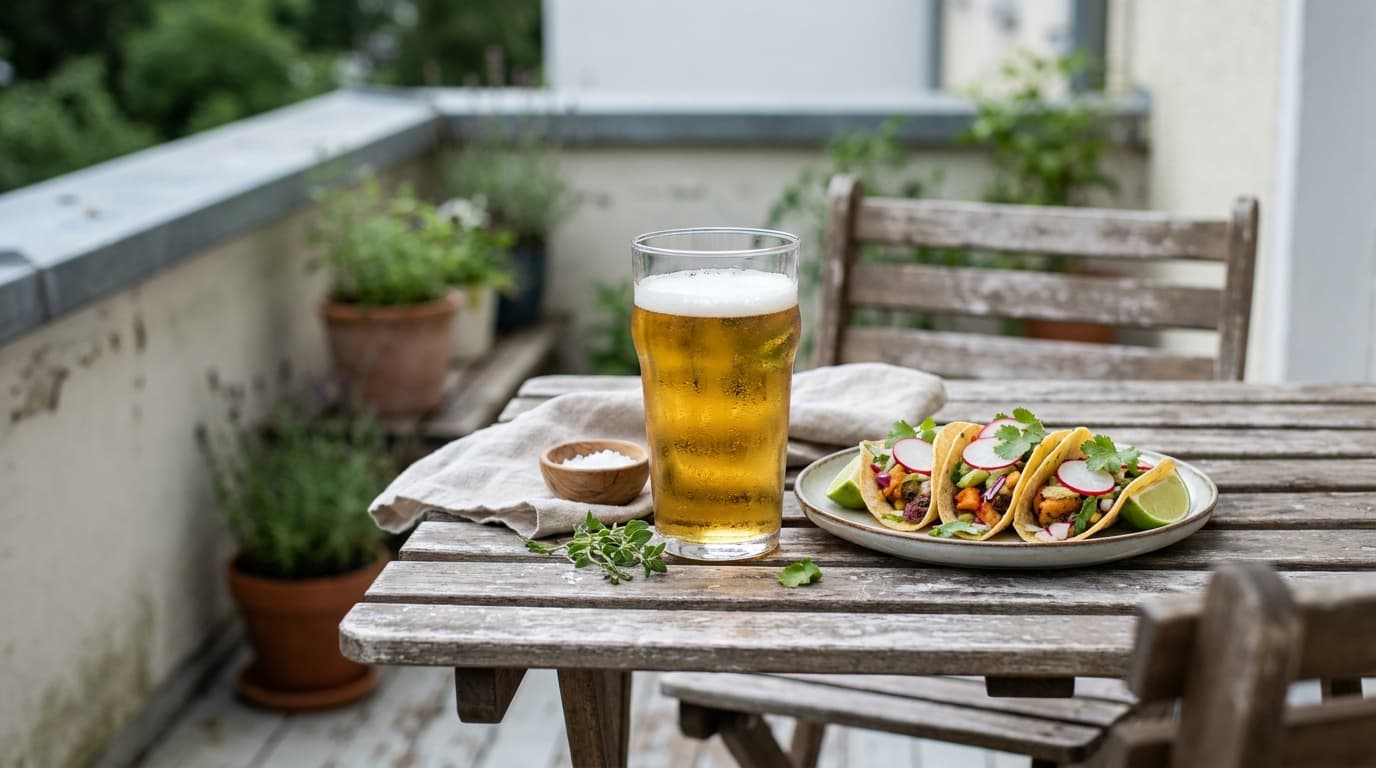
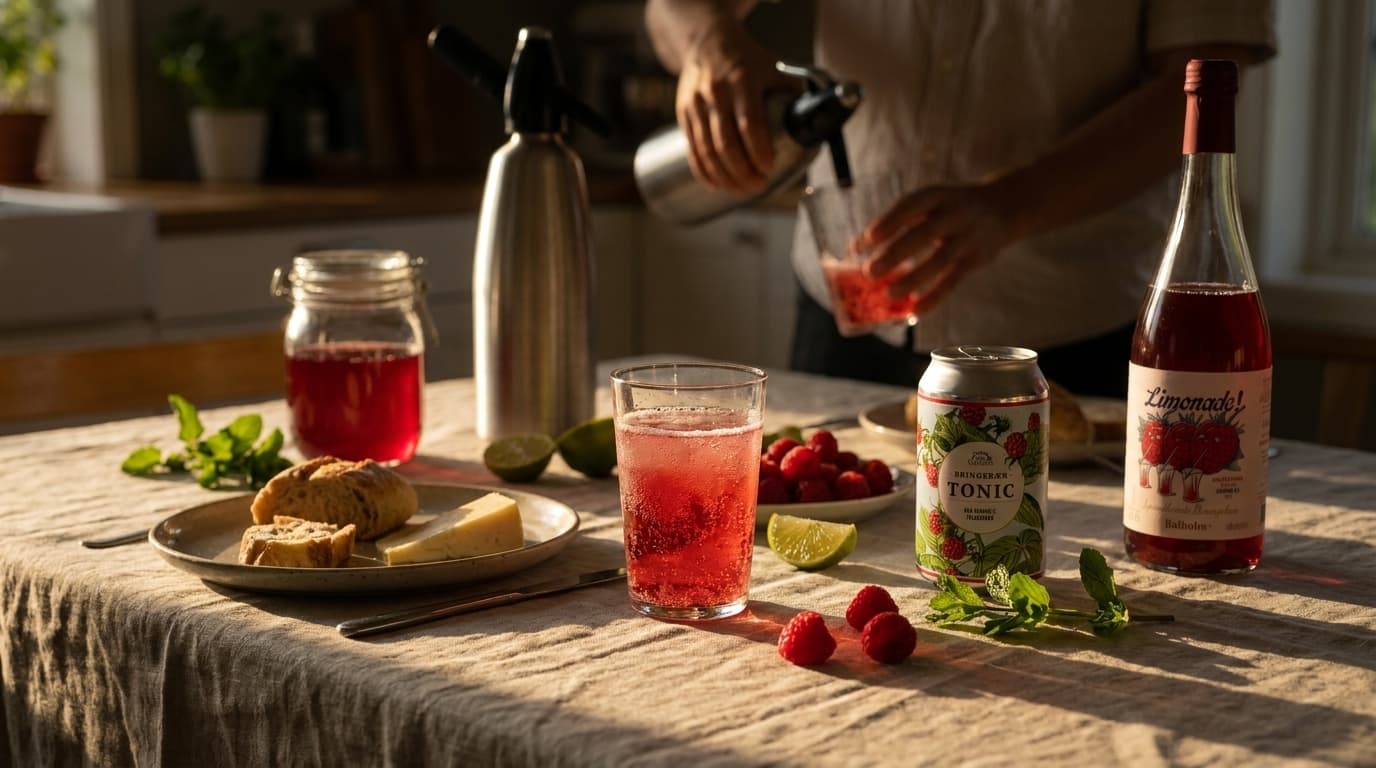
There was a time when "low-ABV" was perceived as a kind of excuse – something you chose when you had nothing better to offer. Thankfully, that is no longer the case. Today, low-alcohol and non-alcoholic drinks are a conscious choice, a sign of taste and consideration. And during graduation season, when spring's first warm hours invite long tables outdoors and shared culinary joy, it is precisely this kind of drink that can elevate the entire experience.
Imagine a table set with grilled vegetables, fresh salmon, homemade focaccia and a good aioli. The food is there. The atmosphere is there. The only thing missing is the drink that ties it all together – without stealing the show.

What does low-ABV actually mean?
ABV stands for "Alcohol By Volume", and low-ABV generally refers to drinks with under 10% alcohol. It is a broad category that includes everything from fresh German Riesling wines at 7–8% to Norwegian craft cider and naturally fermented kombucha with no alcohol at all. The point is not to remove the pleasure – it is to let the food and the conversation take the place they deserve.
During graduation season, this is especially relevant. For an evening that starts at four in the afternoon and potentially lasts well into the night, an 8% cider is far more sensible than a hefty 14% Chardonnay – and probably much more refreshing too. It is not about taking something away, but about adding something better.
Riesling: the quiet master of low-alcohol
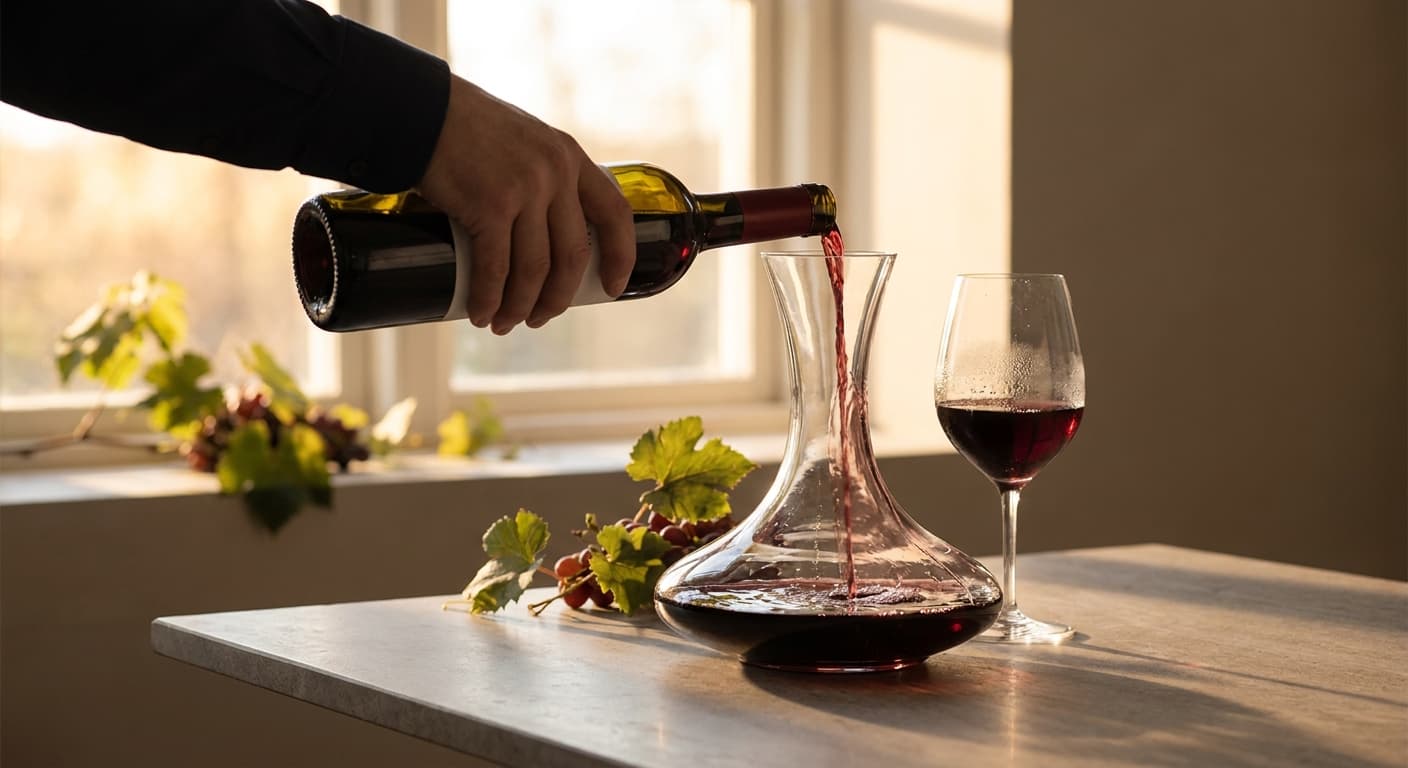
No grape variety deserves more attention in a low-ABV context than Riesling. In the Mosel Valley in Germany, Riesling is made with just 7% alcohol – and yet the wines are full of personality. They can taste of green apple, bitter citrus peel, white blossom and a mineral streak that makes your teeth tingle in an almost electric way.
A Spätlese from Mosel is a classic example: the residual sugar balances the fresh acidity perfectly, and the alcohol stays low because fermentation stops naturally. Martin Müllen Kröver Letterlay Riesling Spätlese 2005 is a fine example of exactly this style. At just 7%, it is surprisingly rich and complex – honey, ripe peach and citrus, with a juicy acidity that makes it excellent with fish dishes or Asian food with a touch of sweetness. It is a wine that proves low alcohol and great character are by no means opposites.

For those who prefer a drier style, K. Wechsler Kirchspiel Riesling Feinherb 2024 is an excellent choice at 11%. "Feinherb" is a German term meaning roughly "off-dry", and it describes a style that is fresh and fruity without being sweet. Think white blossom, green apple and a small hint of spice in the finish. Perfect with an open sandwich lunch, grilled seafood or a fresh spring pasta salad.
And if you want something even lighter and more effortless? Markus Molitor Riesling 2024 from Mosel is a modern, accessible style at 11% that is easy to enjoy, yet rich enough to hold your interest throughout an entire meal. Fresh, fruity and with the characteristic minerality that Mosel is known for.
Cider: Norway's best-kept secret
Norwegian cider has undergone a quiet revolution in recent years. What was once sweet and flat is now fresh, complex and artisanal. And for the graduation season table, a good Norwegian cider is hard to beat.
Fjordsider Frisk Bris (8%) is exactly what the name suggests: a fresh breeze in the glass. It is light, sparkling and fruity with a clean apple character and just the right amount of acidity. It goes with almost everything – from pizza to grilled sausages – and it never feels heavy or cloying. A 75 cl bottle goes a long way when shared around the table, and it stays fresh and inviting from the first to the last glass.

Want something even more exciting? Dupont Cuvée Colette 2018 is a Norman traditional cider at 8% made using the traditional method – that is, secondary fermentation in the bottle, just like Champagne. The result is a complex, lightly yeasty cider with nutty notes, ripe fruit and a long, dry aftertaste. It is more food than party – and I mean that as a genuine compliment. Serve it chilled with a good brie or a simple apple cake, and you have a combination that will surprise even the most sceptical guests.
Practical guide: how to choose the right one
Here are some simple rules of thumb for the graduation season food table:
With fish and seafood: Choose a dry, tart Riesling under 12% or a Norwegian cider with good acidity. Freshness is the key – the drink should cleanse the palate, not overpower the delicate flavour of salmon or prawns.
With grilled meat and vegetables: An off-dry Riesling ("feinherb") or a lightly sparkling white wine works well. They can handle smoky flavours and spices without disappearing into the background.
With cheese and bread: This is where cider shines. Norman traditional cider and Norwegian apple cider are natural partners for mild and semi-firm cheeses. Try Dupont Cuvée Colette with a well-aged Comté – it is a combination that really works.
With dessert: A Spätlese with residual sugar can work as a dessert in itself – or as a companion to a fresh lemon cake. Remember that the sweetness of the wine should always match or exceed the sweetness of the food, otherwise the wine will taste flat and empty.
For everyone: Always have non-alcoholic alternatives available. A good kombucha, a naturally sparkling soft drink or a glass of ice-cold water with lemon and mint is never wrong – and it means everyone around the table can participate on equal terms.
An evening to remember
Graduation season is one of life's strange and beautiful highlights – a moment when youth says farewell and something new begins. It does not deserve clichés and limp compromises. It deserves a table where the food is good, the conversation is better, and the glass in your hand tastes of something real.
The best low-ABV drinks do exactly that. They tell a small story about the place they come from, about the producer who made a conscious choice, about the fruit that ripened slowly in the sun. And they let you stay present – throughout the whole evening, from the first toast to the last bite of cake.
Because that is the point, really. Not what is in the glass, but who you share it with.