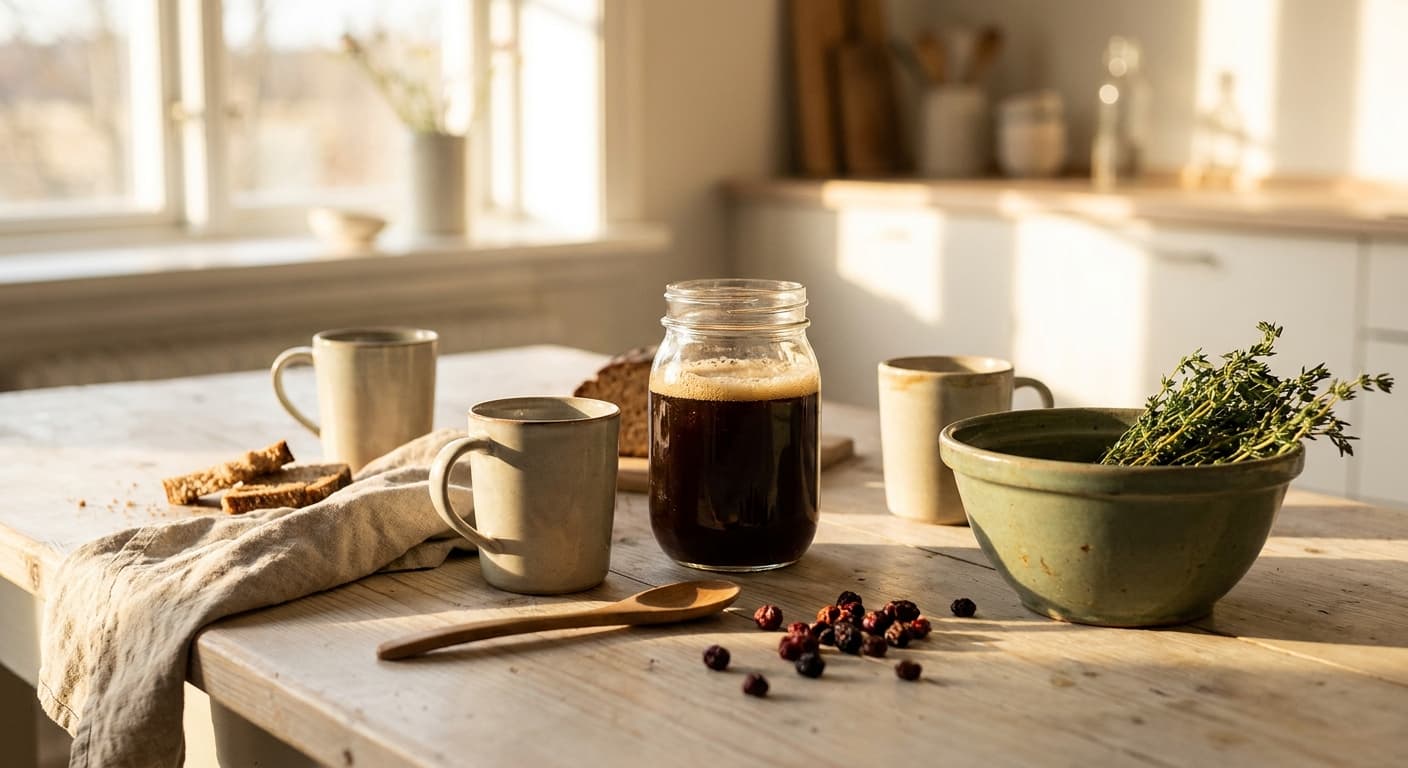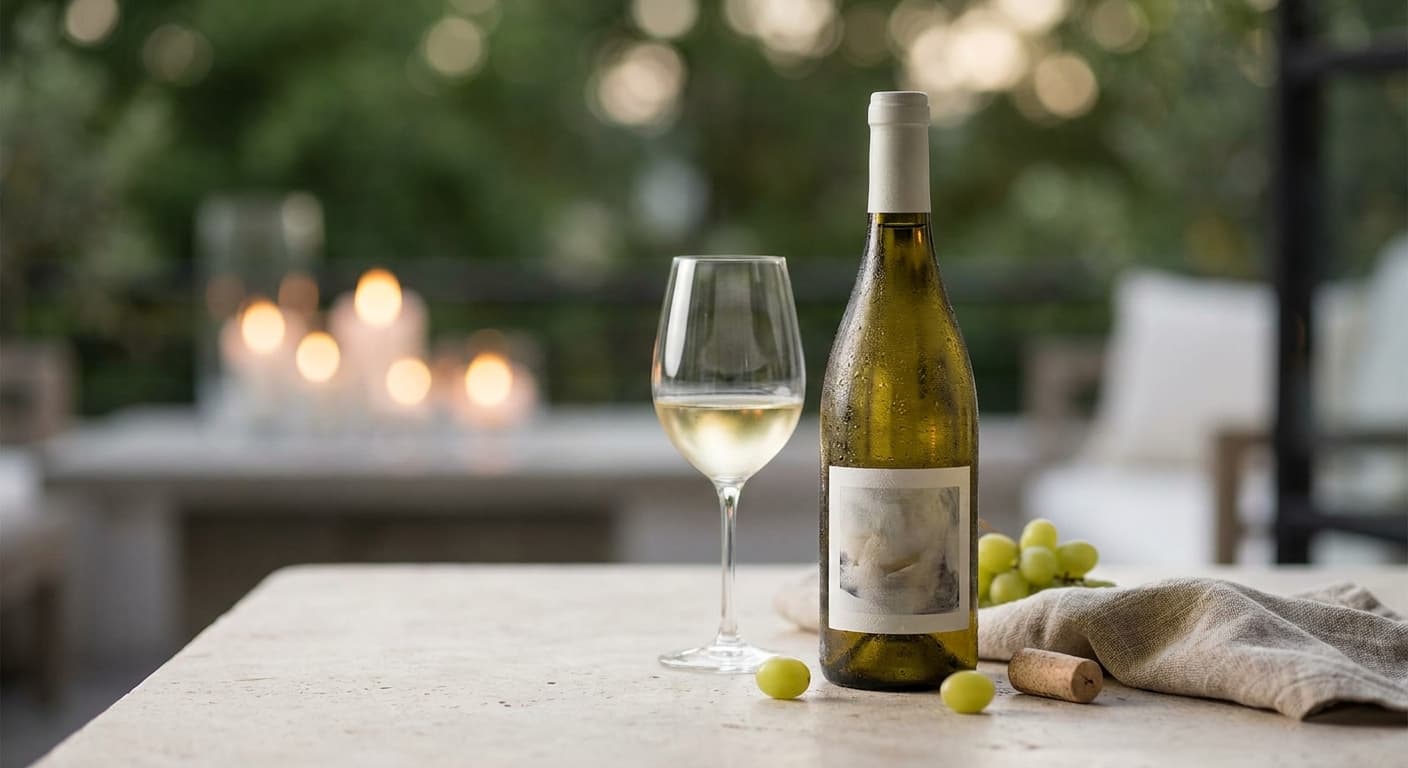


There is something special about Norwegian seasonal releases. Not because it is trendy to cheer for local products – although it absolutely is – but because Norwegian producers have genuinely started doing things that impress in a real way. Locally sourced ingredients, yeast strains that speak of the terroir, and people who truly care about what ends up in the bottle.
So let us take a tour through five Norwegian producers launching something worth noticing this spring. Five bottles that taste of Norwegian summer – long before it has truly begun.

1. Feddie Sommerakevitt – light, floral, and unpretentious
If you have been skeptical about aquavit because it feels heavy and wintry, Feddie Sommerakevitt is the answer to that prejudice. It comes from Fedje – the small island municipality northwest of Hordaland – and you can tell. It carries the character of sea air and pale timber, with a caraway that does not dominate but rather dances in the background.
The nose is fresh, almost a little citrusy. On the palate there is a light, floral sweetness that is reminiscent of early summer along the coast. 40% ABV, but it drinks more easily than that sounds. Serve it ice-cold in a small glass with grilled mackerel or prawns on the dock. It also works surprisingly well in a long drink with a little tonic and a slice of cucumber – a kind of Norwegian gin & tonic, if you like.

2. Gudbrandsdalen Sommerakevitt – inland character with a light touch
Gudbrandsdalen Destilleri has a firm grasp of what they are doing. Where Feddie is sea-fresh and light, Gudbrandsdalen Sommerakevitt is more herb-driven – as if someone has picked meadow flowers and fresh herbs from an inland field and distilled them down into a bottle. At just 38% ABV it is one of the softest in the category.
It is distilled from potatoes and has the clean, creamy base you expect from a good potato aquavit. But it is the botanicals that elevate it: hints of dill and lemon balm emerge gradually, almost like burying your nose in an herb garden on an early May morning. Excellent for a springtime tapas evening, ideally with fresh asparagus, sugar snap peas, and a little good cheese.
3. Gardsbrenneriet Gardsakevitt Sommer – terroir in a small glass
Gardsbrenneriet is based on Hadeland and is one of the distilleries that truly lives up to the farm distillery concept. They grow and distil on the same site, and that gives an authenticity that is hard to fake – and even harder to copy.
Gardsakevitt Sommer is a small bottle – just 35 cl – but it is big on flavour. The caraway is clearly present here, but balanced by fresh herbs that make it feel lighter than a traditional barrel-aged aquavit. There is something earthy about it, with associations of warm stones and freshly cut grass. Perfect for an impromptu dinner with friends out on the terrace, ideally with grilled chicken with an herb glaze or a simple lamb chop.
The small bottle size also makes it a fine introduction – a low threshold for trying something new, and easy to share with someone you want to introduce to Norwegian craft distilling.

4. Kringler Farm Distillery Akevitt – elegance from Ringsaker
Kringler Farm Distillery is one of the newer names on the Norwegian distillery map, but they have found their footing quickly. They are based in Ringsaker in Innlandet, and there is a clear ambition for precision in what they do – something you notice from the very first drop.
Kringler Farm Distillery Akevitt has a distinct caraway base, but it is elegant rather than rustic. The aroma is reminiscent of freshly pressed thyme and a hint of vanilla – likely from the barrel aging. On the palate there is a fine balance between sweetness and bitterness, with a long, warm finish that lingers well after the last sip. At 41% with well-integrated alcohol, it is one of the more structured expressions in the field.
Serve it at room temperature as a digestif after a good spring dinner, or try it in a simple cocktail with a little apple juice and a few drops of bitters. It rewards exploration.
5. Inderøy Gårdsbryggeri Toillbokk Weizenbock – beer that tastes of Trøndelag
We include one exception from the pure aquavit category, because Inderøy Gårdsbryggeri deserves attention. This is one of the most consistent farm breweries in the country, with roots in the agricultural community on Inderøy in Trøndelag.
Toillbokk Weizenbock is a seasonal beer that fits surprisingly well into the spring picture, despite bock beer traditionally being associated with autumn and winter. Inderøy makes it lighter and fresher than you might expect, however – 5% ABV, a wheat base, and a full banana ester profile combined with light spice. It tastes of something homemade and genuine, as if someone has brewed it for you personally.
Try it with waffles, sour cream, and strawberries on a lazy Saturday morning, or simply cold from the bottle on a warm afternoon on the steps.

What these five have in common
What is fascinating about all of these producers is that they are not trying to be anything other than what they are. They take the local terroir seriously – not as a marketing message, but as a genuine craft. The ingredients are locally sourced, the processes are considered, and you can taste it in the glass.
And that is exactly the kind of drink that suits the Norwegian spring. Not the big, heavy things, not the expressive and overly complicated – but the honest, clean, fresh things that taste of something actually beginning to wake up again after a long winter.
As a former brewer I will put it simply: it is rare that I get as excited about something as I do about a producer who knows who they are. These five know it. And it shows in the taste.
Tip: If you want to put together a small Norwegian tasting menu for the weekend, the three aquavits work well as a progressive tasting – from light and floral (Feddie) to more herb-driven inland character (Gudbrandsdalen and Gardsbrenneriet) to the elegant and structured (Kringler). If you finish with an Inderøy beer for dessert, you have a little journey through Norwegian terroir in under an hour.