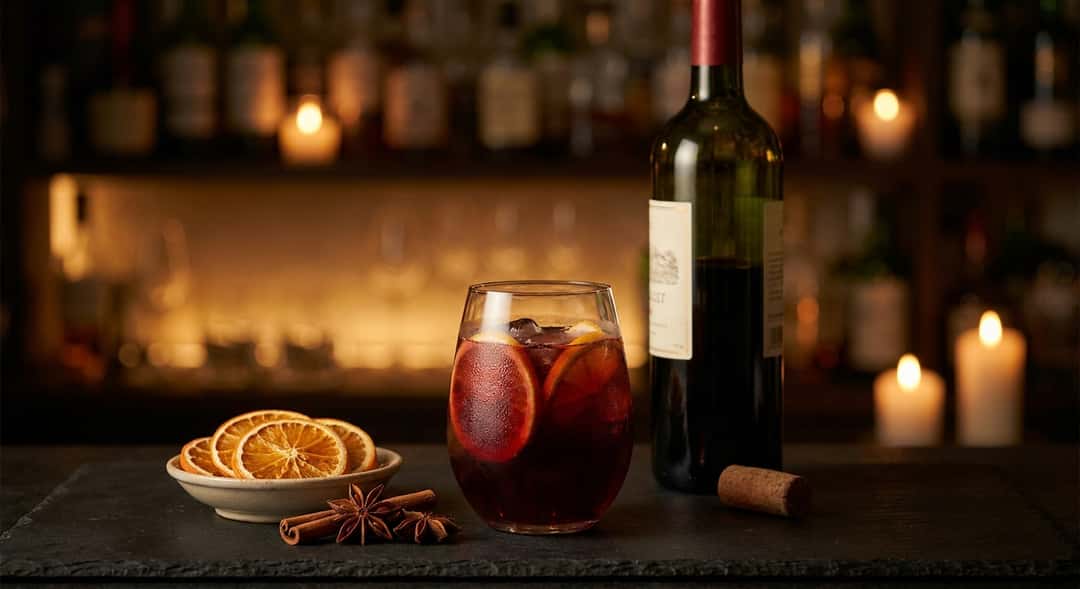

It is 1927, and in a small bar in Córdoba in Andalucía it is swelteringly hot. The thermometer is creeping toward 42 degrees, and the bartender – according to Spanish folklore a man by the name of Federico Vargas – does the only logical thing: he mixes his red wine with lemon soda and ice. Not because he is lazy. Not because he lacks respect for the wine. But because he is hot, thirsty, and knows exactly what his body needs.
That is how the story goes. Whether it is true or not matters little. For tinto de verano – translated directly: "the red wine of summer" – is today just as inseparable from Spanish summer culture as tapas, flamenco, and the afternoon nap.
The drink no Norwegians know
Ask a Norwegian summer holidaymaker in Barcelona what they are drinking, and the answer is usually sangria. But ask a madrileño or a sevillano the same question, and they will give a gentle shake of the head. Sangria is the tourists' drink – made in large buckets, loaded with fruit salad and sugar, served with a smile to those who don't know any better.
Tinto de verano, on the other hand, is what the Spanish themselves choose. It is simpler, more honest, and on a warm summer evening: far more refreshing.
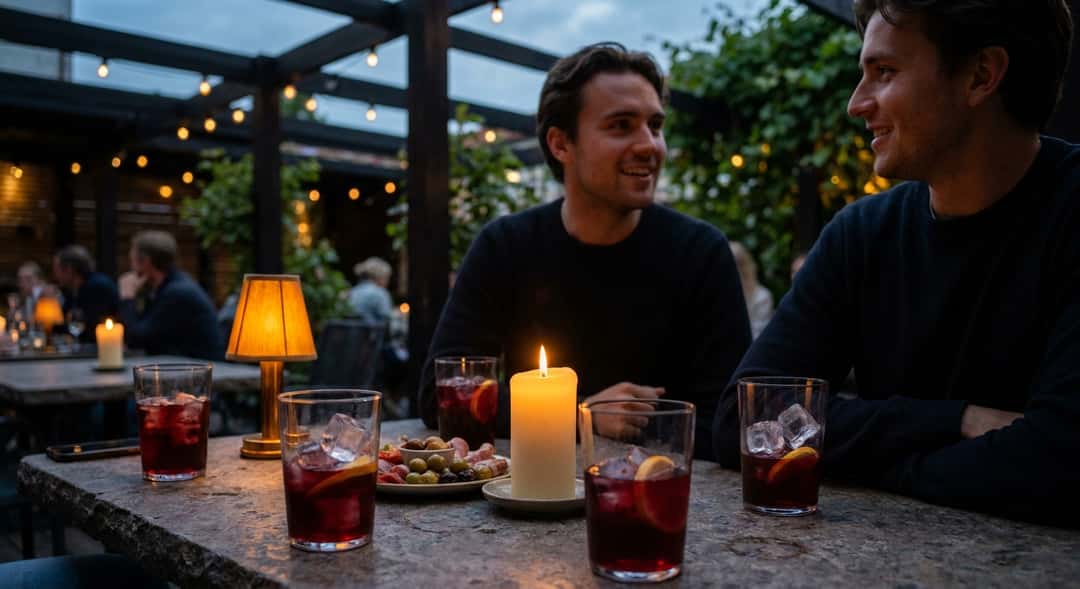
The formula is almost embarrassingly simple: half red wine, half lemon soda – preferably the Spanish brand La Casera, but any light and tart lemon soda works perfectly – plenty of ice and ideally a slice of lemon. That is all. No tricks, no fancy procedures. The drink is not about impressing anyone – it is about cooling down and enjoying the moment.
Why does it work so well?
What makes tinto de verano a crowd-pleaser is the balance between tartness and fruitiness. The lemon soda cuts through the wine's tannins and adds a sparkling freshness that makes the glass far lighter and more approachable. The alcohol content is naturally halved, which is perfect for a long afternoon in the sun without falling off your chair by dinnertime.
The sweet, slightly tart soda profile also complements the red wine's dark berry fruit in a surprisingly elegant way. It is not "ruining the wine" – it is using it as an ingredient in something new and greater than the sum of its parts.
Think of it as Spain's answer to spritz culture: a low-threshold, season-based drink that is more about lifestyle than about vinography. And right now, in the middle of the Norwegian summer, it is hard to imagine anything more fitting to put on the table.
Which wine should you use?
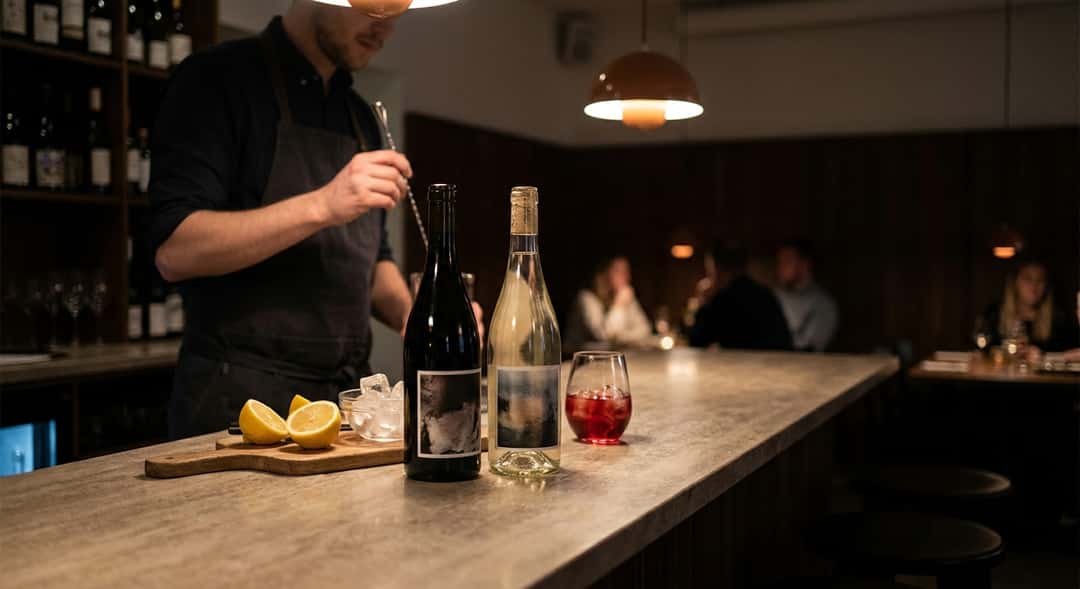
Here it is important to understand the philosophy: tinto de verano is not a drink where you open your best bottle. Nor is it intended for very thin, high-acid wines that disappear into the soda. The ideal is a young, fruity, medium-full-bodied red wine with good dark berry fruit – preferably from Spain, but that is by no means a requirement.
In Spain, people typically use an affordable tempranillo from La Mancha or Valdepeñas. The grape variety is perfectly suited: it has enough body to hold its own in the mix, plenty of dark cherry fruit, and rarely enough tannins to clash with the soda.
But what if you want to make your own tinto de verano at home in Norway? There are smart alternatives that hit the philosophy well:
Foillard Morgon Cuvée Corcelette 2023 is a gamay from Beaujolais with much of the fresh, cherry-rich fruit that works excellently in the mix. Jean Foillard is one of the great natural wine producers in Morgon, and this cuvée is known for its juicy, almost juice-like fruit profile – low in tannins, high in drinkability. The wine is grown on granite-rich soil in the Morgon cru, giving it a mineral backbone that holds up even after the soda is added. Served cold and mixed with lemon soda and ice, this is an elegant interpretation of tinto de verano beyond Spain's borders.
Ugly Boy Summer Juicy Red Pinot Noir 2025 is quite simply made for summer – the name says as much. With just 12% alcohol and a juicy, light-bodied profile dominated by red berries and a hint of flowers, this is a wine that suits ice and soda without losing itself. It is a playful style that hits the tinto de verano philosophy well: simple, fresh, and unpretentious. Perfect for those who want something light and approachable without overthinking it.
How to make your tinto de verano
Ingredients (per glass)
- 10–12 cl young, fruity red wine (at room temperature or lightly chilled)
- 10–12 cl lemon soda (La Casera, San Pellegrino Limonata, or another dry lemon soda)
- 4–5 ice cubes
- 1 slice of lemon or lime
Method
- Fill a tall glass – a longdrink glass or a simple water glass works well – with ice cubes.
- Pour the red wine over the ice.
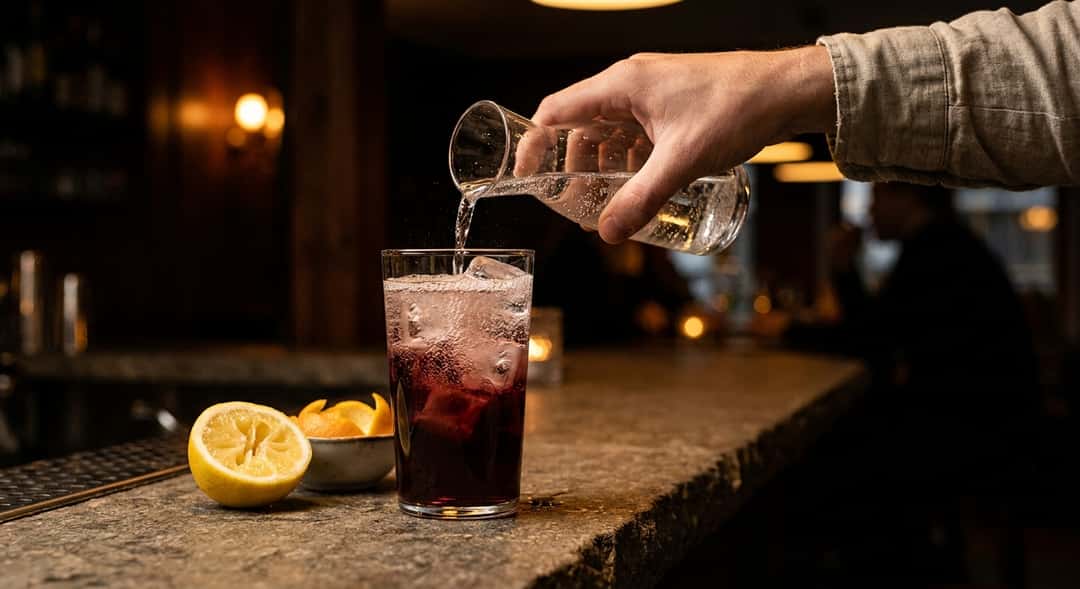
- Add the lemon soda gently along the edge of the glass – do not stir too much, or you will lose the bubbles.
- Place a lemon slice on the rim of the glass.
- Enjoy immediately, ideally with something salty and simple: olives, chorizo, or manchego.
Tip: If you want a slightly more aromatic variation, you can add a star anise or a few mint leaves. In some regions of Spain, orange soda is used instead of lemon soda – this gives a softer, rounder flavour that pairs well with milder red wines.— INGRID IMPORTØR
More than a drink – an attitude
What fascinates me most about tinto de verano is what it represents culturally. In Spain there is no hierarchy around the drink – it is enjoyed by students and pensioners alike, on beaches and in bars with white tablecloths. It is democratic in a way that tells you a great deal about the Spanish approach to food and drink: it is about the company and the moment, not about prestige.
There is something liberating about that. Wine culture can sometimes become a little heavy to carry – with scores, vintages, terroir discussions, and price pressure. Tinto de verano is the antithesis of all that. It says: relax, sit down, enjoy the sun.
At a time when Norwegian drinking habits are steadily moving toward lower alcohol, more soda, and more creative mixes, it is strange that tinto de verano is still an almost unknown concept here at home. Because it hits exactly what we are looking for – lightness, freshness, and something that suits the barbecue just as well as the sun lounger.
So the next time you want something other than a white wine or a half-litre – reach for the red bottle, find the lemon soda, fill the glass with ice, and let yourself be transported to a small bar in Andalucía. It really is no more complicated than that.