
The Art of Finding Your Way in the World of Drinks
There is nothing more overwhelming than standing in front of a wall of bottles and not knowing where to begin. Hundreds of labels, dozens of countries, different grape varieties, malt selections, and distillates – and in the middle of it all, there you are with empty hands and a thirsty heart.
But this is exactly where guides come in. A good guide is not just a list of recommendations. It is a handshake from someone who has been there before you, who has sniffed, tasted, and thought their way to something you might enjoy. In the world of drinks, a guide is your best travel companion.

What is a guide, really – and why do you need one?
A guide is not about telling you what you should like. The good guide opens doors and lets you walk through them yourself. It gives you a vocabulary – words like "mineral", "tannin-rich", "tart finish", or "fruity and open" – so you can start describing what you sense.
Think of a guide as a map. You still decide for yourself where you want to go. But the map shows you which roads exist, which mountains are difficult to climb, and which valleys hold hidden treasures.
In the world of drinks, there are guides for absolutely everything: wine, beer, cider, spirits, non-alcoholic alternatives, and cocktails. Some are written by celebrity critics, others by passionate amateurs. Some are digital, others are thick books smelling of printer's ink. All have their value.
How to use a guide actively
The biggest mistake many people make is using the guide as an answer key. They look for one correct bottle, one perfect experience. But the world of drinks is far more nuanced than that.
Here are some concrete tips for getting the most out of a guide:
1. Start with the category, not the product
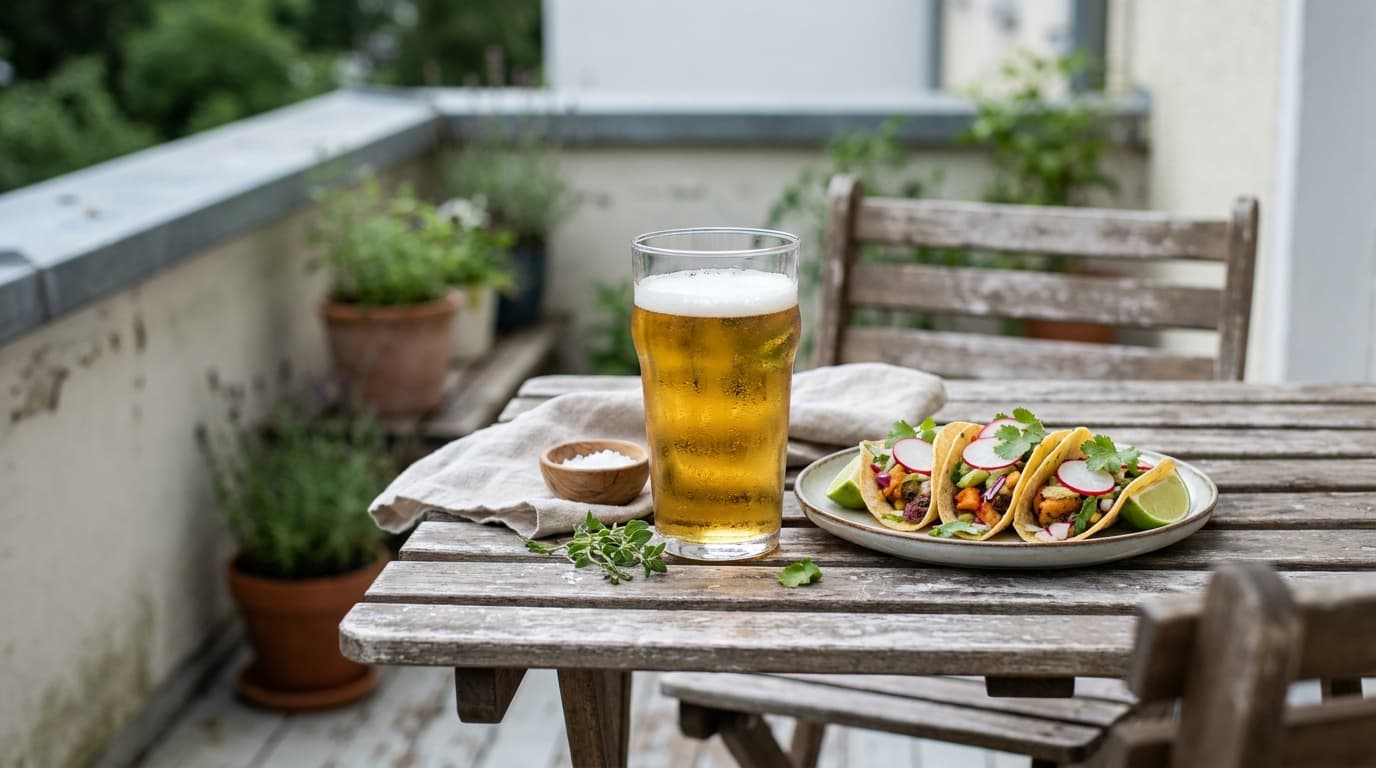
First understand what you are actually looking for. Are you craving something fresh and mineral for a summer barbecue evening? Or do you want something heavy and complex for an autumn taco night? Your guide should help you identify the style you are after.
2. Read the descriptions with all your senses
Good guide texts are written to engage all the senses. When it says "dry stone-fruit nose with a hint of white blossom and juicy citrus freshness" – try to imagine it. Visualise the glass. Sense the aroma. This is how you begin to build a taste language.
3. Use the guide as a starting point, not an end goal
A recommendation in a guide is an invitation to explore further. Do you like the wine the guide tips you off about? Dig deeper: try other wines from the same producer, the same region, or the same grape variety.

4. Combine guides with your own notes
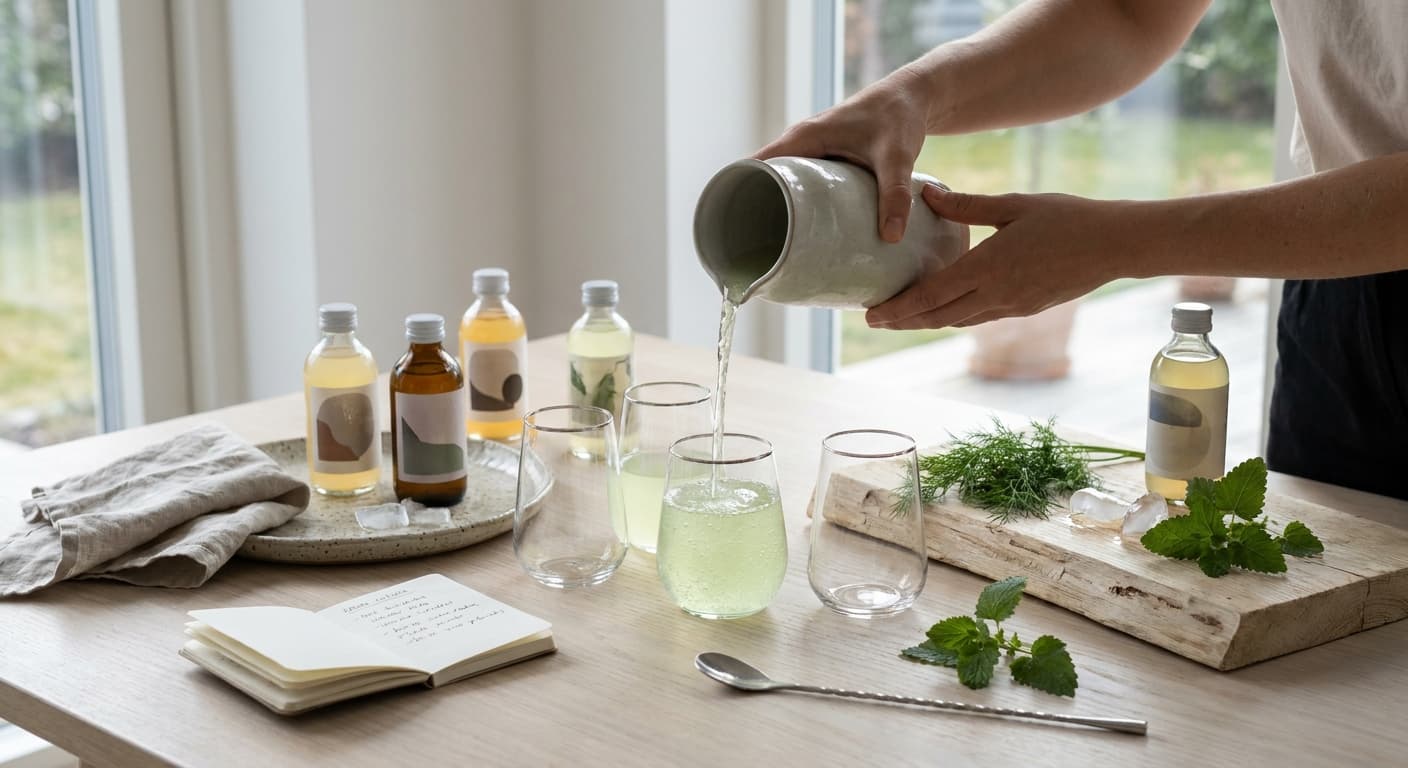
Most experienced drinks enthusiasts keep some form of notebook. Not because they want to become experts, but because it is enjoyable to remember. What did that bottle you opened on your birthday taste like? What was it about that beer that hit you right in the heart?
Guides for beer – a universe in itself
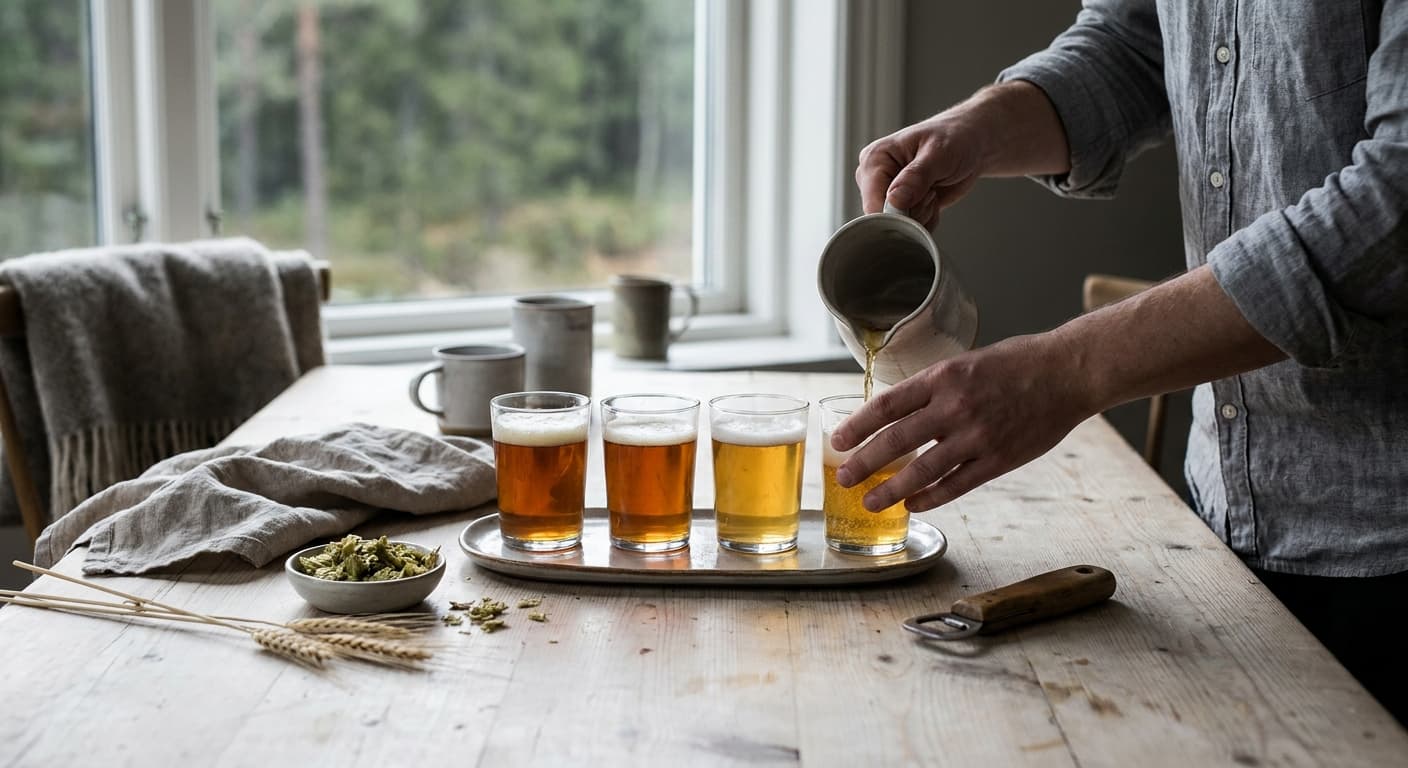
The beer world has exploded over the last ten years. We have gone from pils and lager to navigating pale ale, Session IPA, Saison, sour beer, stout, Barley Wine, and much more. For the uninitiated, it can seem chaotic. For the curious, it is an adventure.
A good beer guide helps you understand the fundamental flavour families: the bitterness from hops, the sweetness from malt, the acidic components from yeast fermentation, and the intense, almost juice-like fruit in modern hazy styles. Once you understand these basic characteristics, you start reading the beer shelves like a menu instead of a puzzle.
Elmeleven Space Guide for Humans Pulp is actually a good example of a beer that represents the creative and exploratory side of modern microbreweries – with a name that is almost a guide in itself. The hazy style signals a fruity, thick, and juicy flavour, where the bitterness is subdued and the fruitiness – here likely tropical notes and citrus – is prominent. Exactly the kind of beer a guide should introduce you to.

Guides for wine – from overwhelming to surprising
Wine is perhaps where guides do the most good. There are over 10,000 grape varieties in the world. France alone has enough appellations to fill an entire book. And then there is Italy, Spain, Georgia, Austria, Greece...
The good news is that you do not need to learn everything. You only need enough to find your entry point. Do you like something fresh and mineral with low alcohol and crisp acidity? Then Muscadet from the Loire Valley in France is a fantastic place to start. Domaine de la Pépière makes a Muscadet Sèvre et Maine Sur Lie that is like a dive into a Norwegian fjord – cold, clean, and alive with hints of lemon zest and flint.
Are you more drawn to richness and depth – that creamy, nutty white wine with yellow fruit and a touch of butter – then Burgundian whites such as Chardonnay from the Côte de Beaune are a natural next step. Pascal Clement Montagny 1er Cru Les Coères is an accessible glimpse into that style: silky-smooth texture, ripe apple, and a finish of minerals and light oak.
For those who enjoy exploring the unknown, Papagiannakos Savatiano Single Vineyard Vientzi from Greece is an experience out of the ordinary. The Savatiano grape variety is ancient, resilient, and understated – and in the right hands it produces a wine with nutty depth, honey, and fresh acidity that will surprise even the most well-read wine enthusiast.

Guides for cider and Norwegian tradition
Cider is Norway's most underrated drinks category. And here the role of guides is especially important – because most people still do not know what genuine farm cider can offer.
Sandalen Gård Oppdageren is a good example of why you should let a guide take you here. The name is almost symbolic: this is a cider for those who want to discover something new. Norwegian farm cider at 7% can offer a depth and fruitiness that surprises, with a dry, wine-like style that is perfectly suited to summer meals.
How to build your own little guide shelf
You do not need hundreds of books. Start with these three categories:
- One general drinks guide that covers wine, beer, and spirits from a bird's-eye view
- One in-depth guide for the category you are most fascinated by right now
- Your own notes – your personal guide, built one taste at a time
The world of drinks is enormous, but it is not intimidating. It is inviting. And with a good guide in hand – whether it is a book, an app, or a passionate friend – you are never alone in it.
Cheers, and happy exploring.
Lars Lansen is a food and drinks enthusiast and a regular contributor to Drikkekompis.