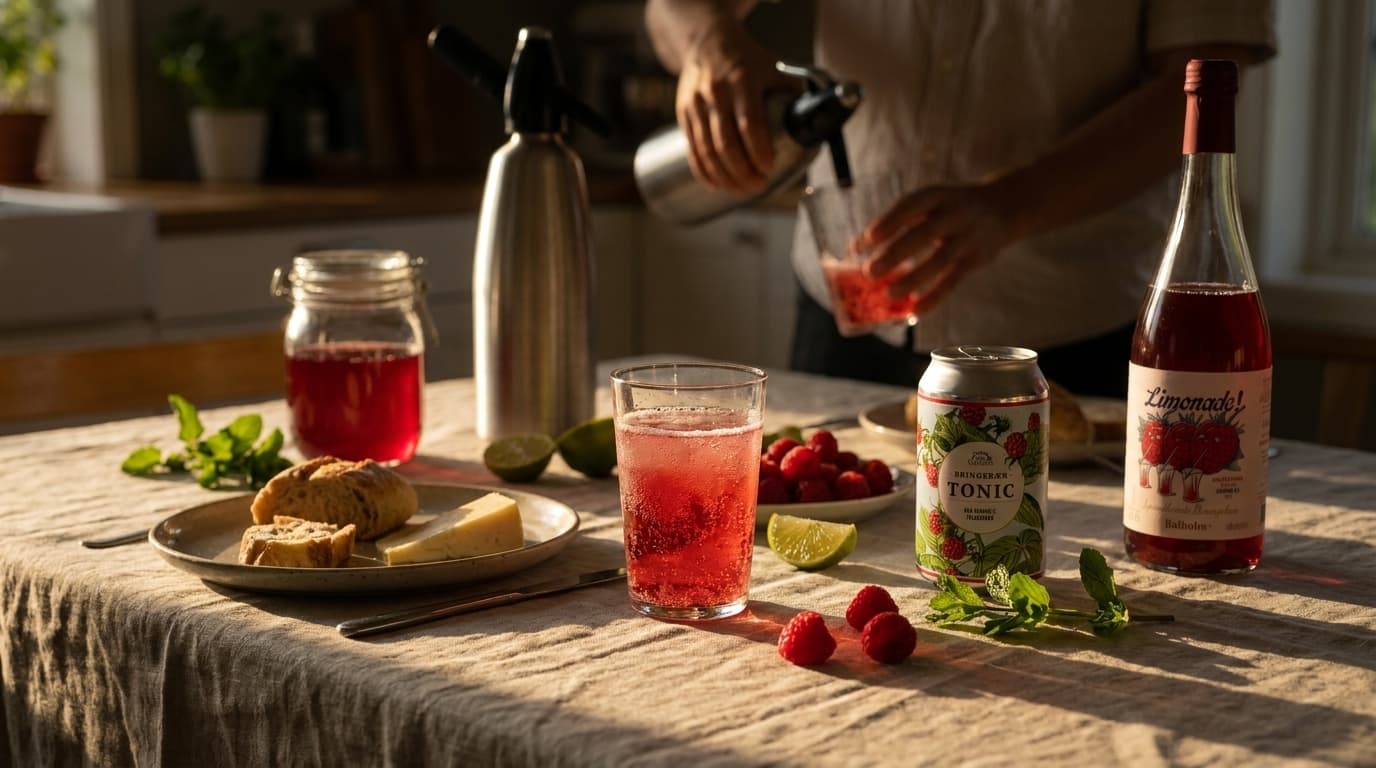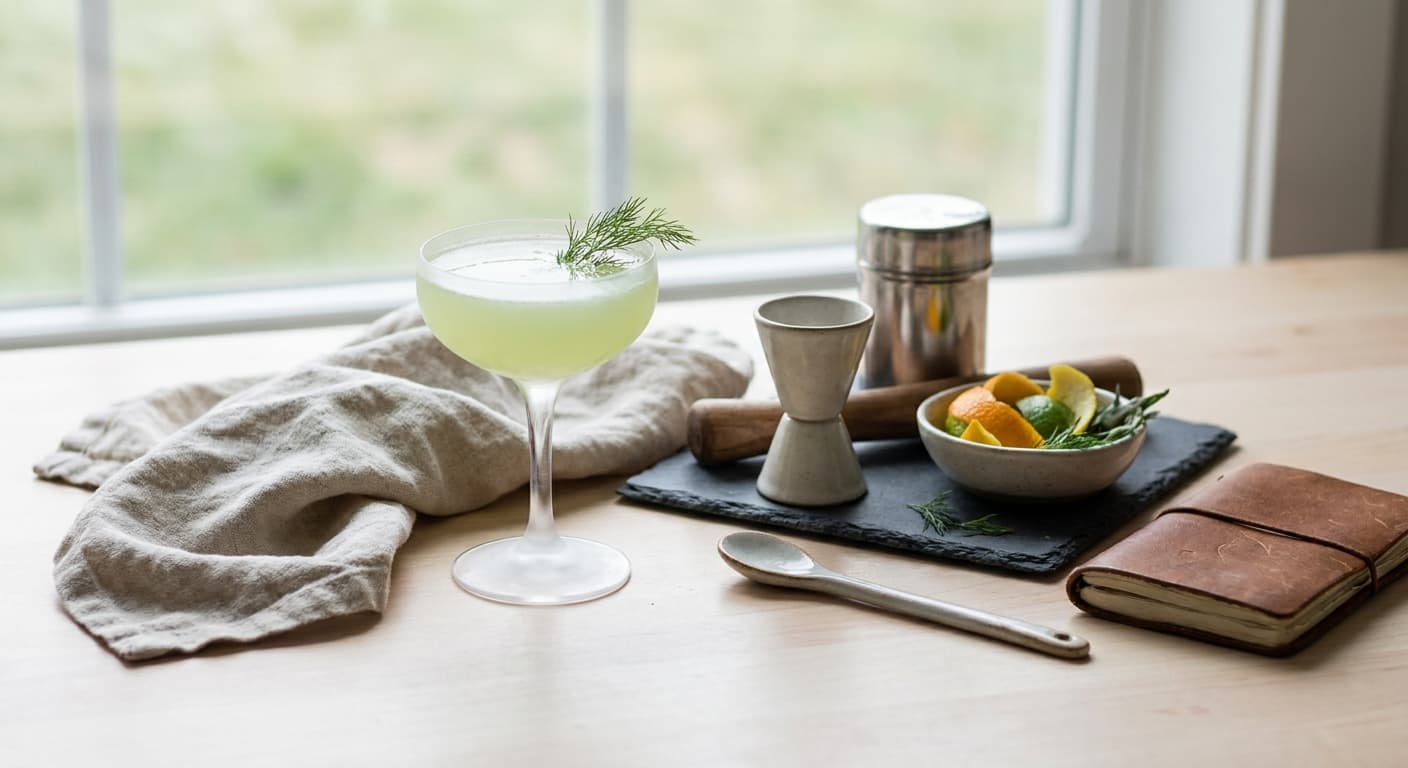
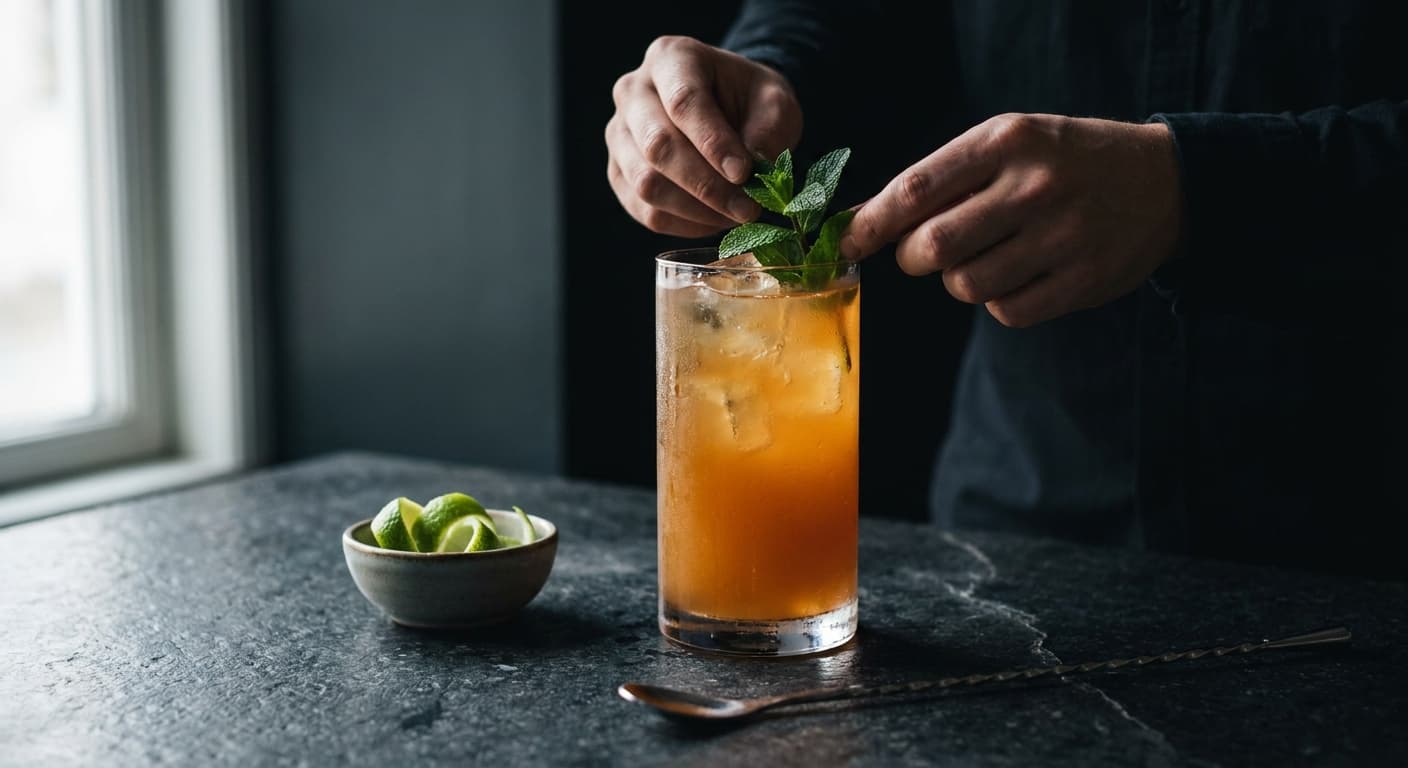

There is something almost magical about a good ginger beer. It fizzes, bites the tongue a little, and has that warm, earthy ginger flavor that suddenly makes you think: this is something I want to build on. Not just top up with ice and vodka, but actually make something that tastes of spring.
Let me say it plainly: ginger beer is not just a Moscow Mule base. It is a fully-fledged cocktail component with body, acidity, aroma, and fizz – and it loves fresh, green flavors just as much as it likes spice and citrus. When you pair it with seasonal ingredients like tarragon, rhubarb, and green apple, something elegant and unexpected happens in the glass.
Here are three recipes I have worked my way toward this spring. They are suited to different occasions and levels of ambition. None of them require fancy equipment – just a cutting board, a good muddler (or a wooden spoon), and a desire for something delicious.
About ginger beer as a base
Before we begin: there is a difference between ginger ale and ginger beer. Ginger ale is mild and sweet. Ginger beer is fermented – either lightly alcoholic or non-alcoholic – and has a far more pronounced ginger character with both warmth and acidity. That is the one you want here.
Fever-Tree Premium Ginger Beer is a reliable classic with a good balance between natural ginger warmth and freshness – it works with all three recipes below. It has a clean, sharp ginger flavor without an artificial aftertaste, and the bubbles last well in the glass. If you want something with a bit more personality and a Norwegian feel, there is 7 Fjell Ginger Ninja Strong Ginger Beer from Bergen – a 6% ginger beer with a real bite and a dry, almost peppery finish. It adds an extra dimension to the drink, especially in recipe number three.
Homemade ginger beer is of course ideal if you have the time and inclination – a simple fermentation jar with water, ginger, sugar, and yeast gives you something truly unique after 48 hours. But for a Saturday afternoon when the terrace is finally ready, a good store-bought version works perfectly.

Drink 1: Tarragon & lemon mule
Tarragon is the herb that always surprises people. It smells of anise and garden, is light and fresh, and tastes as if someone took spring and pressed it into a leaf. Combined with ginger beer and a hint of lemon, this becomes an aperitif you will make again and again.
Perfect for: A Tuesday evening after work, as a welcome drink at a spring party, or simply because you deserve it.
Ingredients
- 15 cl Fever-Tree Premium Ginger Beer
- 4 cl vodka
- 2 cl freshly squeezed lemon juice
- 1 cl simple syrup (1:1)
- 5–6 fresh tarragon sprigs
- Ice
Method
- Place tarragon leaves in the bottom of a highball glass and muddle gently – you want aroma, not bitterness.
- Fill the glass with ice cubes.
- Pour vodka, lemon juice, and simple syrup over the ice.
- Top with ginger beer and stir gently once.
- Garnish with a fresh tarragon sprig and a thin slice of lemon.
Tip: Want a non-alcoholic version? Replace the vodka with 4 cl of apple or grape juice. It works surprisingly well.

Drink 2: Rhubarb fizz
Rhubarb and ginger have a natural kinship – both are tart and a little stubborn, and they complement each other rather than clash. Add a gin with botanical notes, and you have a drink that tastes as if someone had frozen a perfect spring day and thawed it out in your glass.
Perfect for: Weekend brunch, as an alternative to rosé on the terrace, or alongside a light vegetable dish.
Ingredients
- 12 cl ginger beer (try 7 Fjell Ginger Ninja Strong Ginger Beer for extra bite)
- 4 cl gin (choose something botanical and light)
- 3 cl rhubarb compote (see tip below)
- 1 cl freshly squeezed lime juice
- Ice
Method
- Pour gin, rhubarb compote, and lime juice into a shaker with ice.
- Shake for 10–12 seconds.
- Strain over ice cubes into a rocks glass or a wide highball glass.
- Top with ginger beer.
- Garnish with a small piece of raw rhubarb or a twist of lime zest.
Rhubarb compote: Cook 150 g of cleaned rhubarb in pieces with 75 g of sugar and 3 tablespoons of water for about 10 minutes until soft. Strain out the liquid – that is what you use. The rest can go on yogurt.
Gin choice: A botanical, dry gin where you can detect juniper and a little citrus works best here. Avoid gins with very dominant herbs like lavender – they can clash with the rhubarb. Something like Balmenach Caorunn Small Batch Scottish Gin with its Scottish botanicals (birch leaf, rowan berry, heather) fits well – it has a clean, Nordic profile that does not overpower the rhubarb.

Drink 3: Green apple and ginger highball
This is the most festive of the three. Green apple has a bright, almost sharp fruitiness that acts as an extension of ginger's nerve. Add a little aquavit for character, and you have a drink with a length and complexity that holds up throughout the entire evening.
Perfect for: A terrace party, grilling with friends, or when you want to impress without working too hard.
Ingredients
- 15 cl ginger beer
- 4 cl aquavit
- 3 cl freshly pressed green apple juice (Granny Smith works well)
- 1 cl freshly squeezed lemon juice
- ½ cl honey syrup (1 part honey + 1 part warm water)
- Ice
Method
- Fill a tall highball glass with ice cubes – the bigger the better.
- Pour aquavit, apple juice, lemon juice, and honey syrup directly into the glass.
- Stir gently, about 5–6 times with a long bar spoon.
- Top carefully with ginger beer.
- Garnish with a thin slice of green apple and optionally a small pinch of sea salt.
Aquavit profile: A young, caraway-based aquavit works brilliantly – the caraway harmonizes with the ginger in a way that seems almost made for each other. Jærakevitt Original is a good example of a classic Norwegian aquavit with a distinct caraway profile and a clean, fresh character. If you want something rounder, a barrel-aged alternative is interesting, but you may want to reduce the apple juice slightly.
Non-alcoholic version: Replace the spirits with 3 cl of elderflower cordial and 1 cl of apple cider vinegar (yes, really – it provides the same bitterness that makes the drink exciting).

A word on balance
Whatever drink you make: ginger beer is sweet and strong in itself, so be careful with the amount of sugar in the rest of the glass. The acid component – lime, lemon, or fruit juice – is your best friend. It keeps the drink fresh and prevents everything from collapsing into a sweet mess.
And always use fresh ice. It sounds obvious, but ice that has been sitting in the freezer for a week absorbing food smells is your enemy. Refill the ice tray regularly, use large pieces where you can, and let the ginger beer do the job it was made for.
One last thing: these drinks are made to be adjusted. Like it more tart? Increase the lemon or lime juice by half a centiliter. Want it a little sweeter? Add a few drops of simple syrup. There is no definitive answer here – just your taste, your glass, and a spring evening that deserves something good.
Happy spring – and cheers to the first cocktail round of the terrace season.