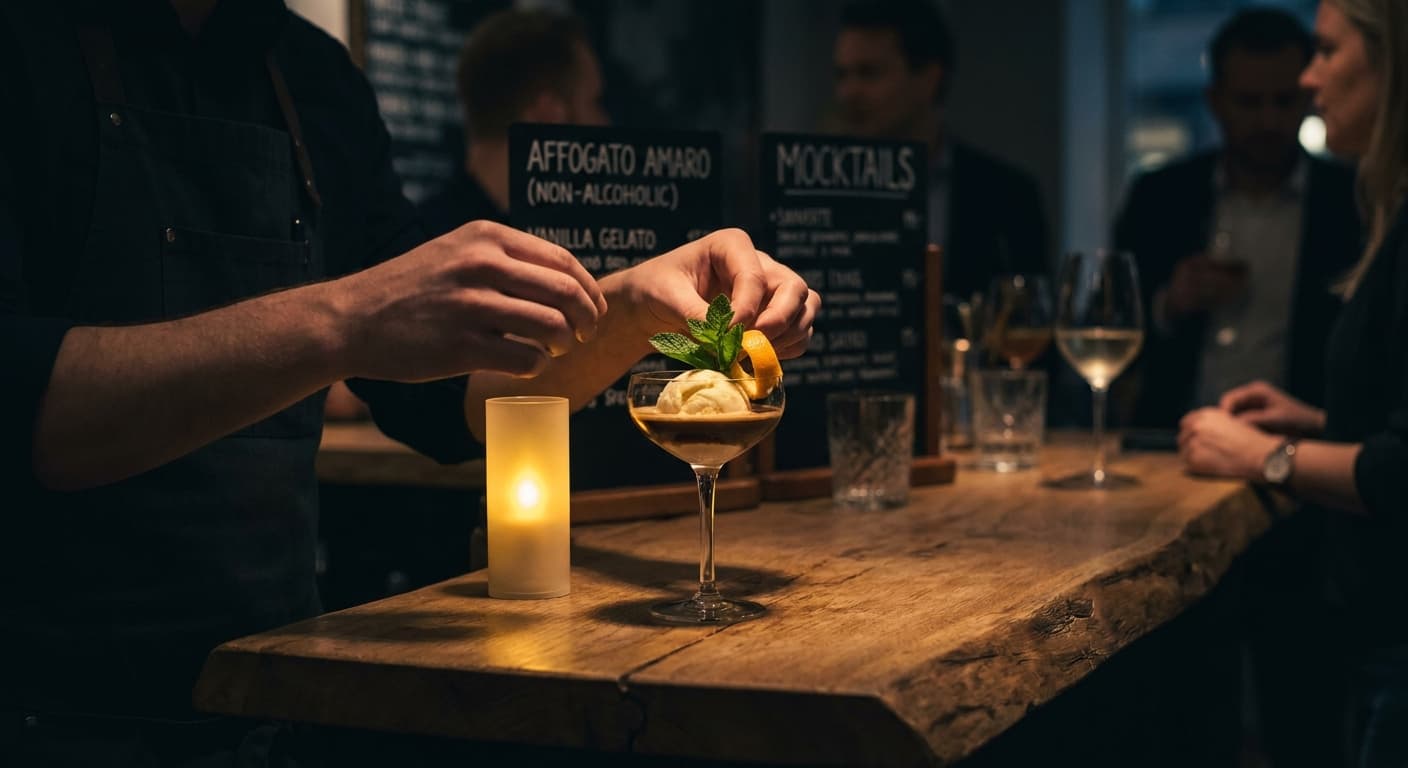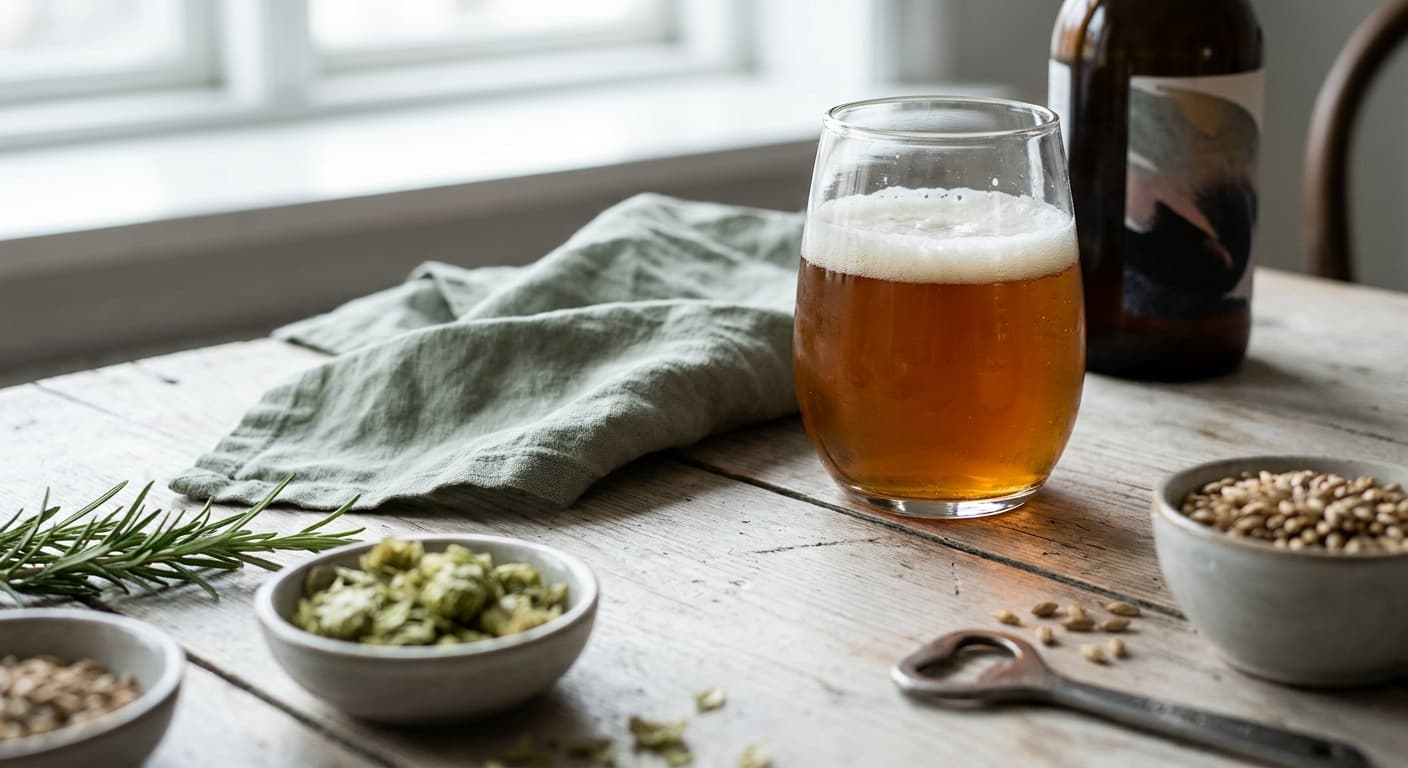
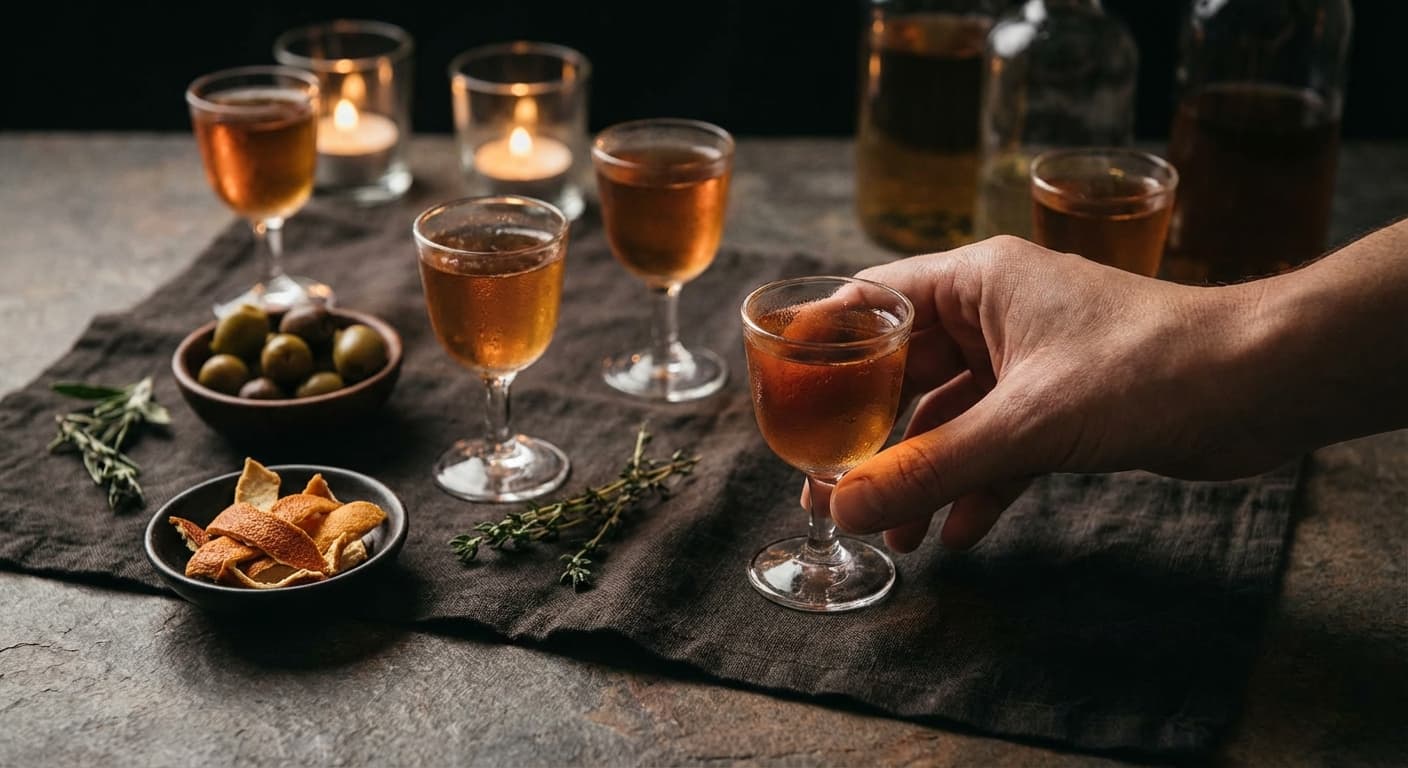

Aperitivo is not just an Italian tradition – it is a philosophy. That magical hour before dinner, when the workday is done and the appetite needs awakening. In Milan you'd order an Aperol Spritz or Negroni Sbagliato, get a bowl of olives and crisps, and settle in with your friends.
But why not take the same principle and use Norwegian craft beer?

The key lies in understanding what makes a good aperitif: it should be light, refreshing, a little bitter, and not too strong. It should tease the taste buds, not satisfy them. And yes, you can absolutely use Norwegian beer for this – if you choose wisely and serve it smartly.
Why beer works as aperitivo
Beer actually has several natural advantages as an aperitif drink. Carbonation stimulates saliva production and gets digestion going. The bitterness of hops mimics the classic Italian amaro profile. And with the enormous breadth of modern beer styles – from crisp pilsner to complex gose – you have at least as much to choose from as in an Italian bar.
But it requires you to think a little differently from typical Norwegian beer culture. Forget the large glass of heavy IPA with dinner. Here we're talking about 10–15 cl, served cold with ice, perhaps with a citrus slice or a few drops of bitters. Think spritz, not draft beer.
The nice thing is that you don't need exotic imported bottles. Much of what is on the shelves right now is a perfect fit – if you know what to look for.
Six styles that hit the mark perfectly
1. Classic pilsner with a spritz twist
Start with a good, clean pilsner. Pour 10 cl into a wine glass filled with ice. Top with 5 cl Schweppes Tonic and a slice of orange. You have now made what is called a Bicicletta in northern Italy – simple, refreshing, perfect before a light pasta dish.
Raus Norsk Sterk Pils (6%, 33 cl) has the clean, classic pilsner profile that works excellently here. The alcohol percentage is a little higher than standard, but when you mix with tonic and ice you land at the perfect aperitivo strength.

2. Gose with salt and citrus
Gose is perhaps the most natural aperitif beer there is. It is already sour, salted, often with coriander. Serve it ice-cold in a low glass with a slice of lime. No extra ingredients needed.
Funky Fluid Gose Together (7%, 50 cl) has the classic gose profile with citrus and salt. The alcohol percentage of 7% is just right for stretching one bottle across two or three servings. Perfect for sharing with a friend before dinner.
3. Wheat beer à la Weissbier Spritz
Wheat beer with its characteristic banana-aromatic yeast profile and clove spice resembles Italian aperitivo more than most people think. Serve half-full in a large wine glass with ice, top with a dash of Aperol and a little prosecco if you want to be fancy. Crown with an orange slice.
This style is not as common on Norwegian shelves right now, but keep your eyes open – it pops up every now and then.
4. Pale Ale with bitters and tonic
Pale ale has the perfect balance between hops bitterness and malt foundation. Pulfer Ziher Pale Ale (5%, 50 cl) has a clean, classic profile that makes it ideal for this: fill a highball glass with ice, pour in 12 cl beer, 3–4 cl bitters – Campari or Fernet if you want intensity – top with tonic. Stir gently.
This is your Nordic Americano. The bitters amplify the hops' natural bitterness, while the tonic lifts the carbonation. The result is a drink that both awakens and refreshes.

5. Light lager with lemon and herbs
The simplest variant, but perhaps the most elegant. A crisp lager – think Münchner Helles style or clean pilsner – served in a low glass with plenty of ice, a good squeeze of lemon, and a couple of sprigs of thyme or rosemary.
The drink should be almost colourless, ice-cold, and vanishingly light. This is aperitivo at its most minimalist – and perhaps most refined.
6. Sour beer as a standalone aperitif
Modern sour beer – lambic, berliner weisse, kettle sour – is already designed for exactly this. They need no extra ingredients. Serve them cool, but not ice-cold – between 6–8 degrees – in champagne glasses or small tumblers. Let the bubbles and the tartness do the work.
Elmeleven Shape The Future Blackberry, Blueberry and Cardamom Pulp Sour (5%, 44 cl) is a perfect example of a sour beer that works solo. Berries, cardamom, and a tart profile give you everything you need in one glass. No ice, no extra ingredients – just pure, complex flavour.
The snacks rule: Italian simplicity
Aperitivo is just as much about food as drink. But keep it simple:
- Salted almonds toasted with rosemary
- Green olives, preferably castelvetrano if you can find them
- Thin slices of fennel salami
- Focaccia pieces with olive oil and flaky salt
- Marinated garlic cloves
- Crispy grissini with anchovy butter
It should be finger food, salty and fatty enough to balance the bitterness, but never so much that you lose your appetite for the main course. Think nibbles, not a full plate.

Serving technique: Temperature is everything
This is where Norwegians often go wrong: we serve beer too cold from the fridge – around 4 degrees – which kills the flavour. For aperitivo serving, different rules apply:
- Pilsner and lager: 6–8 degrees
- Wheat and pale ale: 8–10 degrees
- Sour and wild beers: 10–12 degrees
But when you serve with ice in the glass, you compensate for the ice melting and warming the drink. Therefore start with fridge-cold beer – 4–6 degrees – pour over plenty of ice, and you land at the perfect temperature after a couple of minutes.
A tip: use large ice cubes. They melt more slowly and dilute less. Try freezing orange or lemon slices into the ice cubes for extra visual effect.
What time of day?
In Italy, aperitivo is sacred between 6 and 8 in the evening. In Norwegian winter time, when it is dark from four o'clock, you can start any time after work. What matters is the ritual: you mark the transition between workday and evening, between stress and pleasure. You give yourself – and your guests – a pause before the meal.
And unlike a heavy IPA or a bottle of wine, the aperitivo beer leaves you clear-headed, hungry, and ready for the food. That is the point. The Italian wisdom is simple: drink should make you more present, not less.
What is actually on the shelf
The nice thing about this approach is that you don't need to hunt for rare bottles. Much of what is available right now – both classic pilsners, pale ales, and sour beers – works excellently as an aperitivo base.
Check what is available locally. Feel free to ask in the store whether they have gose, berliner weisse, or light pale ales in stock. Many of the best aperitivo beers are the ones you hadn't thought of – because you've never served them with ice and citrus before.
So next time you're planning dinner, remember: the best start doesn't come from the wine rack or the cocktail shaker. It's in the fridge, waiting for ice and a little Italian philosophy.