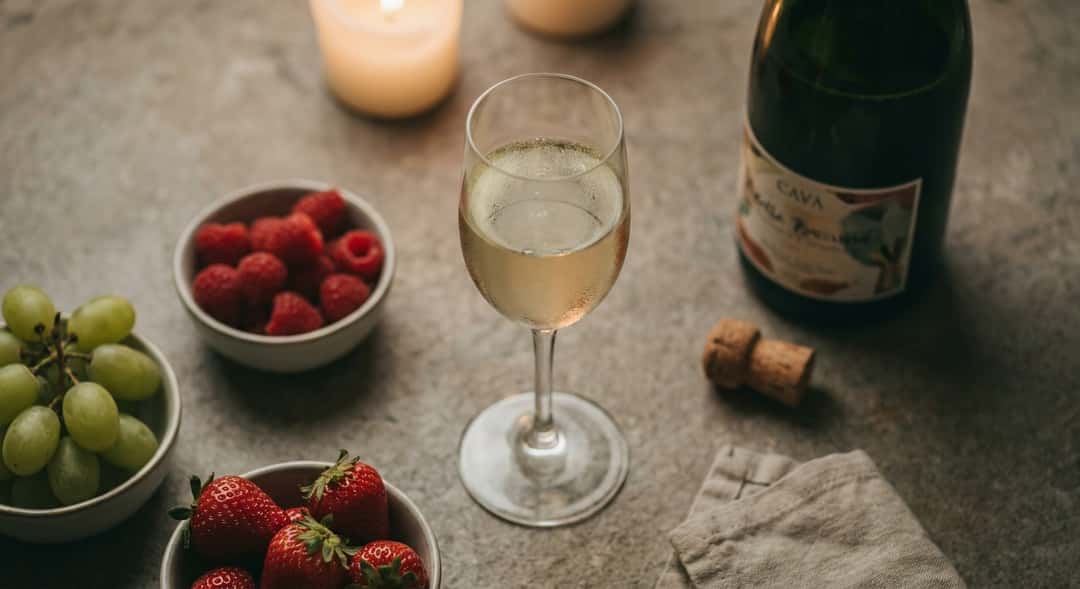

There is something refreshingly fair about cava. It shows up on the table without boasting about itself, rarely costs a fortune, and delivers bubbles with a character that gives prosecco a serious run for its money. This summer there are several good reasons to choose Spanish over Italian in the ice bucket – and we're going to go through all of them.
What exactly is cava?
Cava is Spain's answer to méthode traditionnelle – the same production method used for champagne, where the second fermentation takes place in the bottle. This gives a more complex bubble character than prosecco's tank method, with finer, more persistent bubbles and often a hint of yeast, almond, and green apple.
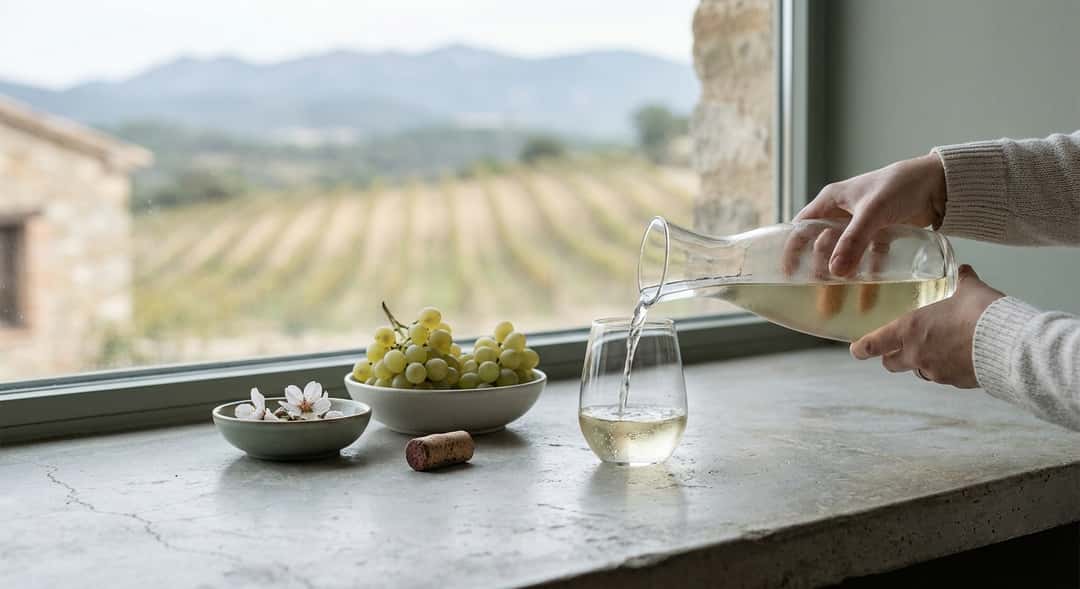
The majority of cava is produced in the Penedès region of Catalonia, not far from Barcelona. Here the three classic white grape varieties macabeo, xarel·lo, and parellada dominate – a trio rarely mentioned in hipster bars, but one that works quietly and steadily to make wine with genuine character. Xarel·lo contributes body and minerality, macabeo brings freshness and floral notes, while parellada lifts the aromas with a light citrus tone.
In recent years, the Cava DO has undergone an interesting quality reform. The new system with the categories Cava de Paraje Calificado and Cava de Guarda Superior – with the Reserva, Gran Reserva, and Paraje levels – means you can now choose cava with the same precision you would use to choose a Burgundy. Aging of a minimum of nine months for standard cava, 18 months for Reserva, and 30 months for Gran Reserva produces wines with very different profiles and prices. In other words, it is a category that rewards curiosity.
Why now – and why with the grill?
The trend is clear: exports of cava to Nordic countries have increased noticeably in recent years. Part of the explanation is price – cava offers champagne technique at a fraction of the cost, and at a time when people are more conscious of what they spend their money on, that is a strong argument.
But the most important reason is taste and food-pairing ability. Cava's natural acidity and lightly nutty undertones make it a dream partner for grilled food. Where prosecco can sometimes feel a little sweet and simple alongside smoked chicken or a sausage with mustard, cava has enough muscle to keep up.
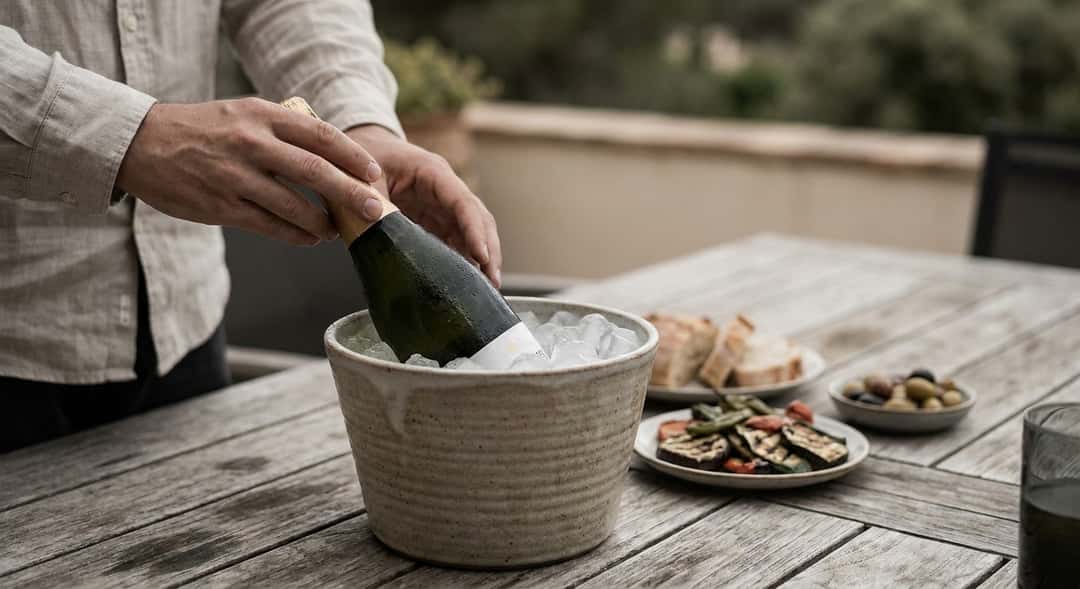
Here are some specific combinations that work surprisingly well:
- Grilled white fish (cod, monkfish, sea bass) – cava's acidity cuts through the fat and cleanses the palate
- Patatas bravas and aioli – the bubbles lift the creamy sauce
- Grilled vegetables with feta – the lightly mineral character of brut nature styles is a perfect match
- Manchego and jamón serrano – classic Spanish tapas meets its Spanish bubble
- Chorizo from the grill – smoke and spice find a natural partner in cava's yeast character
What should you look for?
When choosing cava, a few key terms will help you quickly:
Brut Nature means no added sugar (residual concentration below 3 g/l) and gives a dry, crisp style – perfect with food.
Brut is a little rounder and more versatile – good for both snacks and drinking without food.
Reserva signals a minimum of 18 months' aging, which gives more depth, rounder bubbles, and often a hint of brioche or toasted nuts.
A couple of bottles worth noting:
Pedregosa Cava Reserva Clos de Blancs Brut Nature 2022 is one that shows what the Brut Nature category can do when the producer takes quality seriously. Fresh, clean, and with a minerality that is somewhat reminiscent of good Chablis – it pairs excellently with fish from the grill. Clos de Blancs is a single vineyard in Penedès, and you can tell: there is terroir here, not just technique.
Muga Conde de Haro Cava Brut 2021 is interesting because Muga is one of Rioja's great names, and here they transfer that same precision craftsmanship to sparkling wine. It has a little more body and warmth than a standard cava, with hints of apple purée and lightly toasted notes – good alongside meat from the grill or a hearty tapas plate.
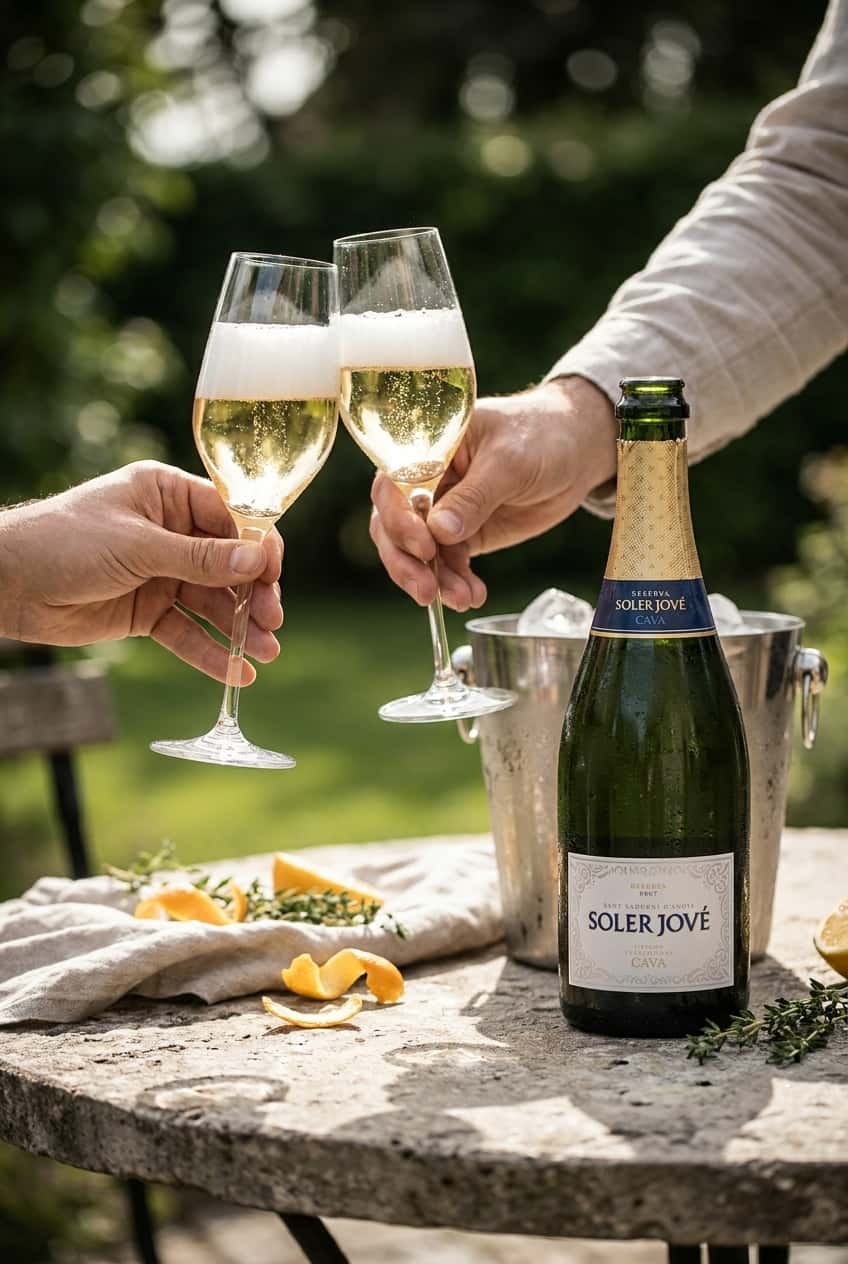
For those who want to keep things simple and fresh – and perhaps put a few bottles in the ice bucket for a larger gathering – Soler-Jové Cava Brut is a safe and affordable choice with good freshness and a light floral note. It is also available as a half-bottle (37.5 cl), which is practical for a picnic or if you want to try the style without committing to a full bottle.
And for those who like to stick with the tried and tested: Campo Viejo Cava Brut Reserva 2022 from one of Spain's best-known wine brands is a good example of how volume producers can also deliver quality – fresh, clean, and with reliable consistency from year to year.
| Style | Sugar content | Pairs with |
|---|---|---|
| Brut Nature | Under 3 g/l | Fish, seafood, cheese, vegetables |
| Brut | Under 12 g/l | Tapas, sausages, chicken |
| Reserva Brut | Under 12 g/l + aging | Meat, mushrooms, hearty dishes |
Temperature is everything
One thing many people underestimate with sparkling wine at a summer barbecue: temperature. Cava should be served between 6 and 8 degrees – colder than you might think. In summer heat, that means you should have the bottle in an ice bucket with water and ice for at least 20 minutes before serving. Not just in the freezer bag. Actually cold.
Glassware also plays a role. Many people use a champagne flute, but in fact a slightly larger white wine glass works better – it gives the bubbles room to develop and lets the aromas open up. Try it next time you put a bottle out for guests.
Cava is not just white
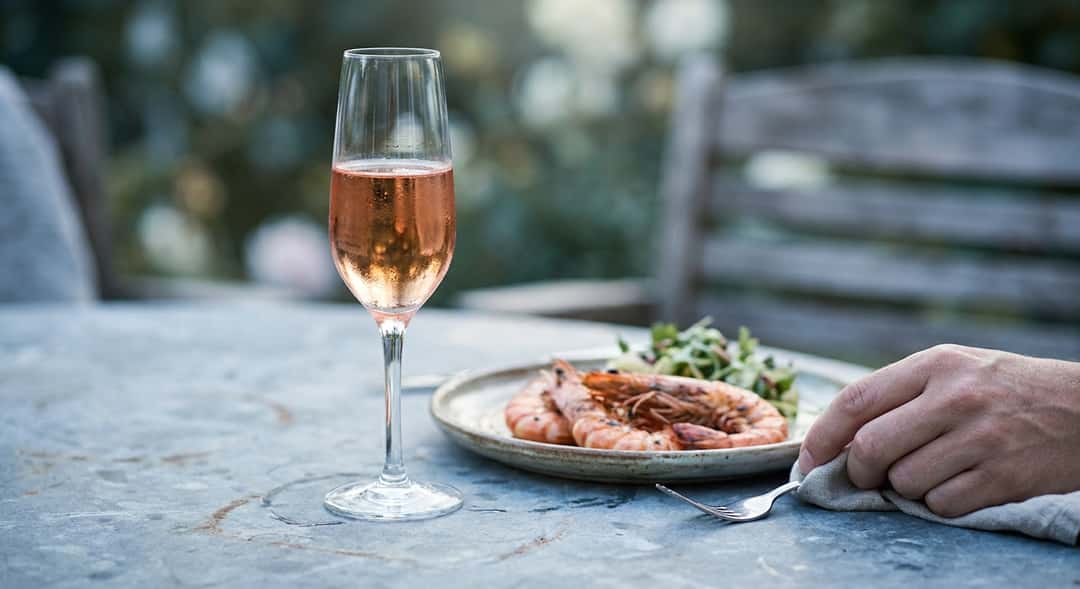
A small bonus tip: cava rosado is entertainingly underrated. Made often from garnacha, monastrell, or pinot noir, it offers a little more fruit richness and a beautiful salmon colour. Perfect with grilled prawns, a summer salad with strawberries and feta, or simply as an aperitif while the grill heats up. It is a category with much to discover for those willing to venture a little outside the familiar.
Cava has long been Europe's best-kept sparkling wine secret – well known in Spain, but far too unknown in the rest of the world relative to what it actually delivers. This summer it is time to give it the place it deserves: right next to the ice bucket, between the grill tongs and the mustard jar. That is where cava belongs.