
There is something special about August evenings. The sun is still warm, but it hangs a little lower now, and the light has taken on that golden, honey-coloured tone that tells you something is about to shift. The grilled meat smells the same as it did in July, but there is something in the air – a lighter breeze, perhaps, or just the gut feeling that the schoolbooks will soon be coming out again.
A light, ice-cold spritz doesn't quite fit the moment. But a full-bodied red wine from Bordeaux? No, it's far too early for that.
The best wine is the one that suits the mood – not the one that impresses anyone.— OLE SOMMELIER
This is the moment for what we might call transition wines: rosés with a little more body than the palest Provençal butterfly types, and light reds that can be served cool without losing all their charm. Wines that match the mood exactly as you want it – relaxed, but not thoughtless.
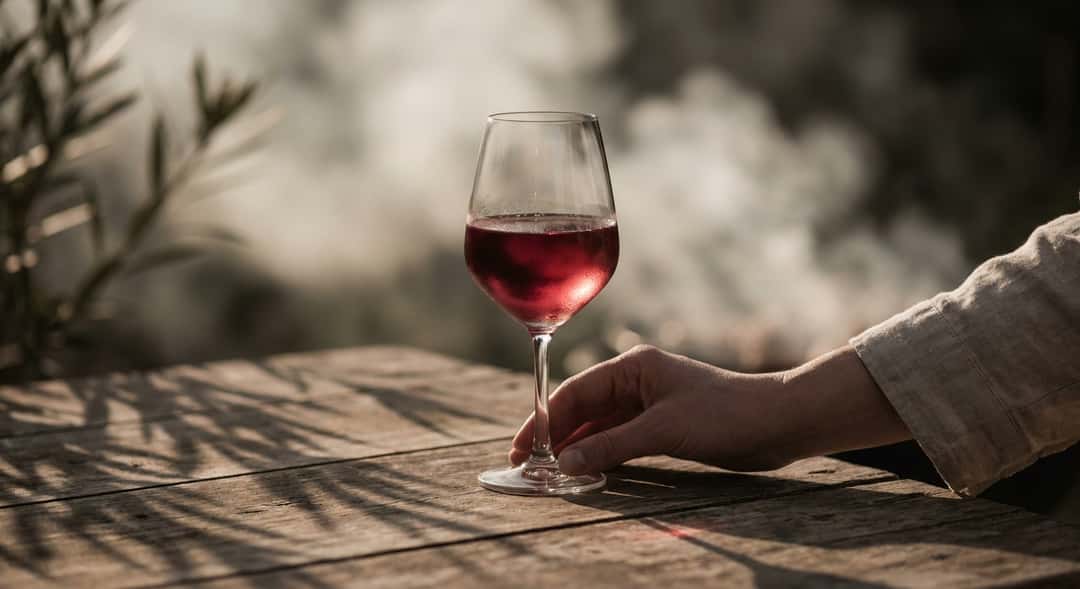
Why Rosé Is Still the Answer – But a Different Kind
Most of us have spent the summer with the lightest, driest Provençal wines we could find. There is nothing wrong with that – but that style is designed for brutal midday heat and an ice-cold body. In August we need something with a little more structure, a little more fruit, and preferably a touch more alcohol to carry the flavour into darker evenings.
Garzón Pinot Noir Rosé Reserva from Uruguay is a great example of exactly this. The Pinot Noir grape variety gives a silky-smooth texture and clear strawberry fruit, and the vineyards in Garzón have a temperate climate strongly influenced by the Atlantic Ocean. It has an almost creamy mouthfeel, with hints of vanilla and red berries that linger long in the aftertaste. Best enjoyed at around 10–12 degrees and handles being left out for a while without falling apart.
Another candidate that hits the August mood is Rabl Zweigelt Rosé from Austria. Zweigelt is a grape variety that is not particularly well known in Norway, but it deserves more attention: a little more bitterness than Pinot, a clear hint of cherry and wild raspberries, and a freshness that is nonetheless not tart to the point of being unpleasant. Think of it as a halfway point between an elegant rosé and a young light red wine – with a lovely mineral finish that makes it especially food-friendly.
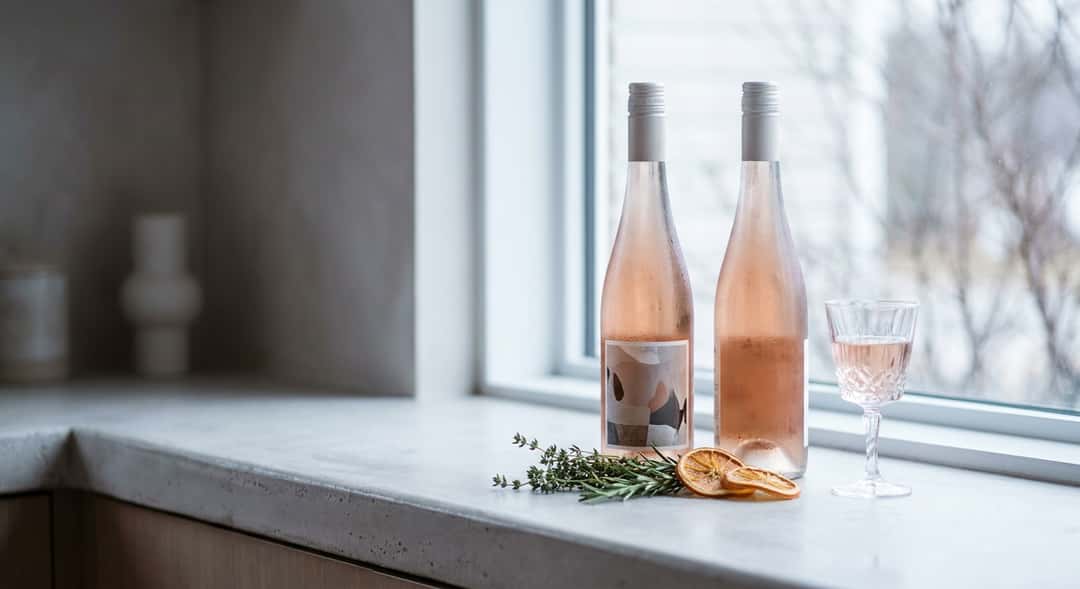
The Light Reds – Wine's Best August Secret
This is where many people stop and wrinkle their nose. "Red wine?" they say. "In August?"
But hold on. There is a whole world of light, cool reds that are no heavier than a good rosé – they are just a little darker in colour and have a little more tannins. Beaujolais is the obvious example, but it is about more than just Beaujolais Villages.
The Gamay grape variety, which dominates in Beaujolais, produces wines with low tannins, high tartness and a recognisable freshness of raspberry and violet. Serve them cool – ideally around 14 degrees – and suddenly there is not much difference from a full-bodied rosé. The important thing is not to serve them at room temperature; that strips away all their elegance and makes them flat and heavy in a way that does nobody any favours.
In the same way, a young Valpolicella from northern Italy – not the Amarone, but the simple, light style – can work perfectly as an August wine. Light, juicy, with a hint of bitterness from the Corvina grape variety that makes it irresistible with grilled food. It has an almost playful quality about it, as if it doesn't take itself too seriously. I like that.
What Do You Serve It With?
This is weekday-meets-weekend food: leftovers from the weekend's grill evening, a quick pasta salad, maybe some cheese and ham because someone found a half-open Parma packet in the drawer. These wines are not demanding. They don't require a full three-course meal – they are happy to go along with whatever is happening.
Some specific pairings that work particularly well:
- Lamb on the grill – a light Zweigelt rosé fits perfectly; the fat in the meat needs the contrast of tartness to keep it from becoming too rich
- Pasta with tomato and chorizo – a young Valpolicella or a Gamay works wonders here; the acidity in the tomato and the spice in the chorizo find their match
- Cheese and charcuterie – almost any light red wine works, but a rosé with a little more body elevates it further
- Grilled fish – stick to the rosé, preferably one with a touch of minerality that doesn't overpower the delicate fish
- Simple burger salad or wraps – August food at its finest, and here you just pour whatever is cold
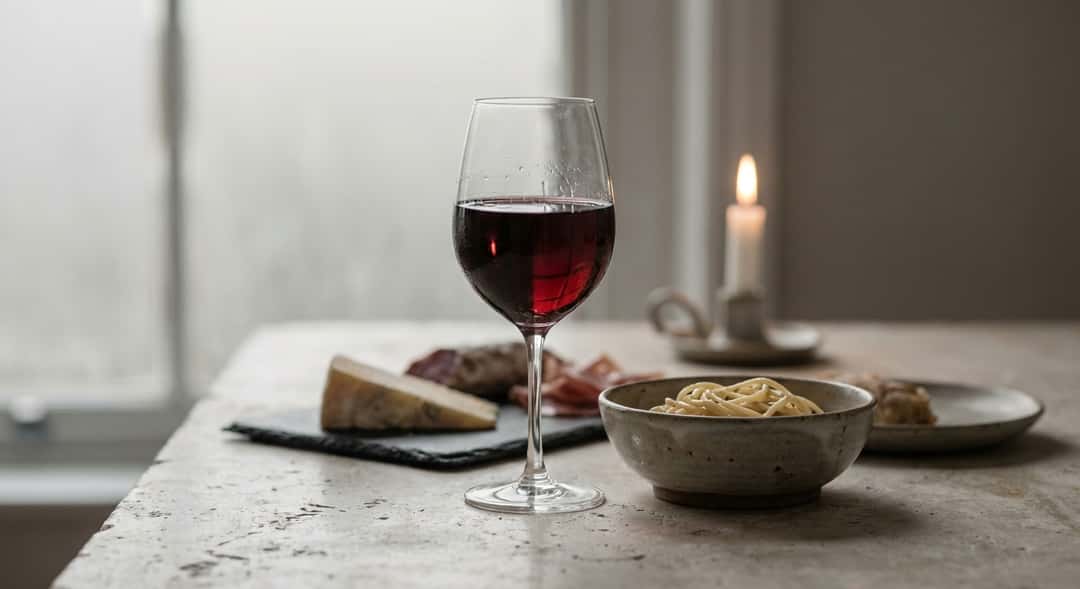
Temperature Is Half the Job
It might seem like a detail, but the temperature at which you serve wine is actually crucial – perhaps especially for these light August reds. Too cold, and the fruit disappears behind a wall of tartness. Too warm, and the alcohol takes over and makes the wine flat and heavy in a way that is not pleasant.
A simple rule of thumb: rosé needs 20–30 minutes in the fridge from room temperature. The light red wine needs 10–15 minutes. Neither should be served straight from a hot car or a sun-drenched shelf.
And here is a small secret I share with a clear conscience: an ice cube in red wine is not a wine crime. It is a practical solution on a warm August evening. Nobody needs to know, and the wine won't complain.
The Transition Is Nothing to Fear
It is easy to get sentimental when summer starts to fade. But there is also something liberating about August evenings – there is a little more calm to them. The back-to-school season brings back a structure that many people actually miss after weeks of free flow. The routines return, and with them a kind of relief.
And with that structure comes an opportunity to sit down, pour a glass that is a little warmer than the spritz, and actually taste it. Not just drink it.

The best August wines are not the most expensive or the most complex. They are the ones that suit the moment: light enough not to feel heavy, but with enough character to keep up when the conversation deepens and the candles are lit. That balance is the whole point – and it is exactly the balance these wines are made for.