
There are drinks that ask a little patience of you. Not because they're difficult, but because they reward those who pause and truly listen. Amontillado is one such drink – and summer is actually the perfect time to get acquainted with it.
The Spanish wine region of Jerez de la Frontera is home to some of the world's most misunderstood wines. Sherry has long been associated with grandmother's sweet glass and dusty cellar shelves – but the reality is far more exciting. And among all sherry styles, amontillado is the one that surprises the most.
What exactly is amontillado?
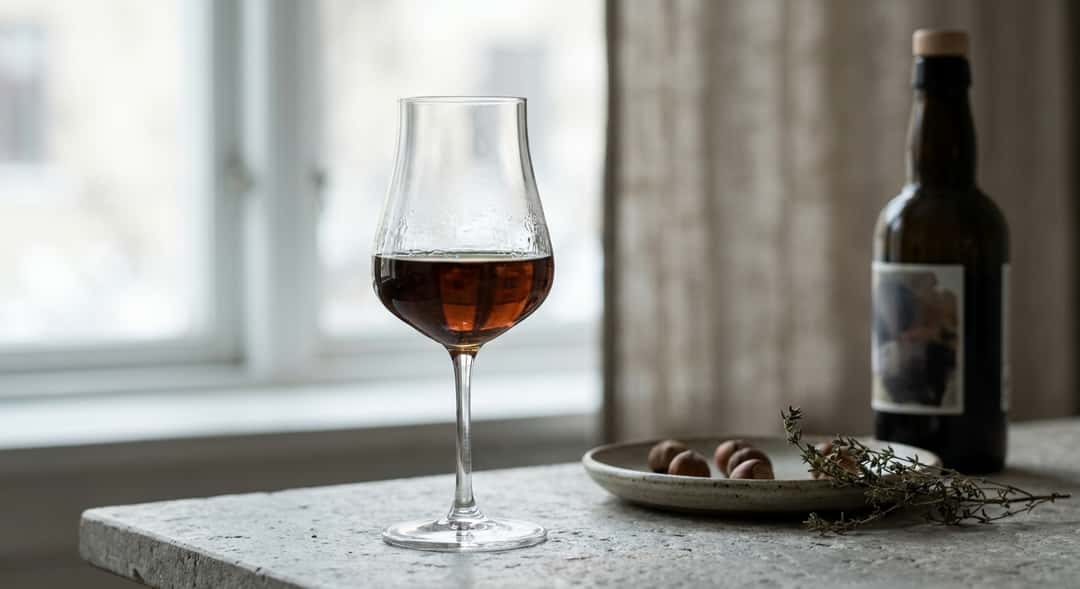
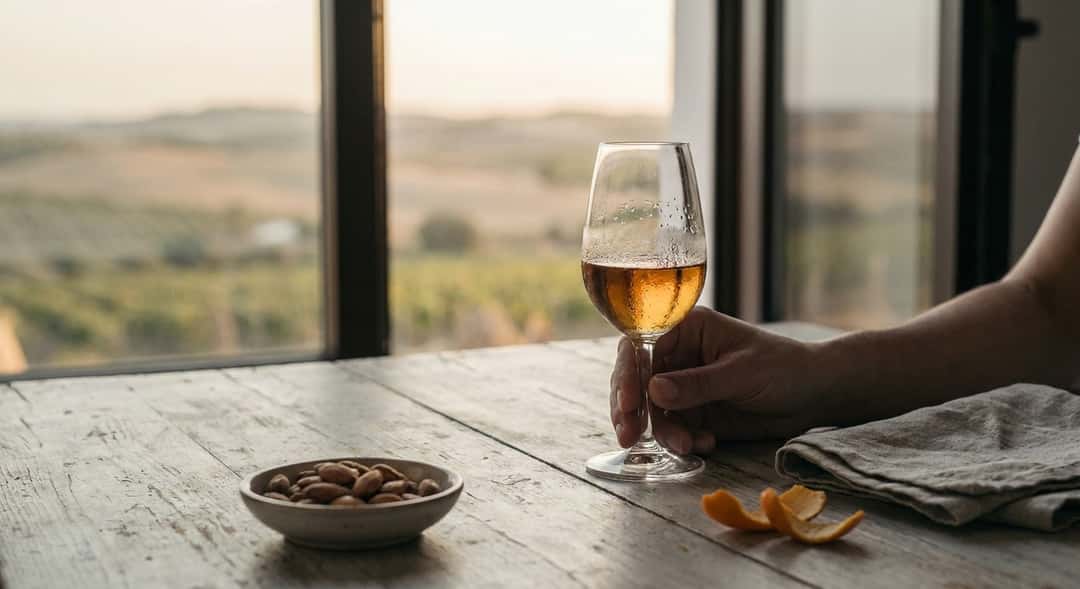
Amontillado begins life as fino – that is, a dry, pale sherry protected by a white layer of yeast called flor. But where fino producers preserve this layer, amontillado producers allow the flor to die off. The sherry then begins to oxidise, and it is in this shift that its unique character emerges: nutty, deep, with hints of caramel and dried fruit – yet still dry and crisp in the finish.
The result is a wine that tastes as though someone has taken the fresh, saline quality of a fino and blended it with the warm nuttiness of an oloroso. Call it sherry's midpoint if you like – but the midpoint is often the most interesting place to linger.
This dual maturation process – first biological under flor, then oxidative – gives amontillado a taste profile that no other wine in the world can replicate:
- Colour: Golden to amber – deeper than fino, lighter than oloroso
- Aroma: Walnut, hazelnut, dried apricot, caramel and a hint of the sea
- Taste: Dry and nutty, with a long, elegant finish
- Alcohol: Typically 16–18%, which lends a certain fullness without heaviness
Why is amontillado underrated?
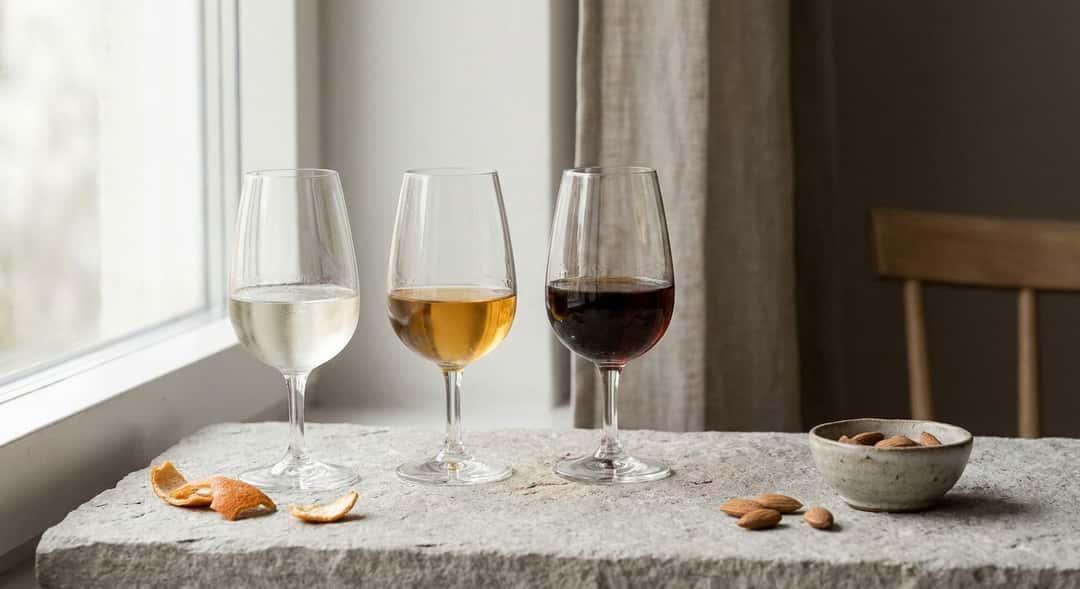
Amontillado has an image problem. People unfamiliar with sherry tend to think either of the sweet cream sherry from the supermarket or the bone-dry fino style served ice-cold with tapas. Amontillado falls between these two mental categories and gets overlooked.
But this is where it's worth mentioning Edgar Allan Poe – who put amontillado on the literary map in his dark short story from 1846. Poe clearly knew something most people don't: that amontillado deserves something far better than obscurity.
It is also a wine that is remarkably versatile at the table. Its dry nuttiness makes it a dream partner for charcuterie, aged cheddar, manchego, walnut cake and even dark chocolate. A good summer breakfast spread with charcuterie and olives also pairs perfectly with a small glass of amontillado – slightly chilled, not ice-cold. It's the kind of combination that makes guests ask: "What is this, and why haven't I been drinking it before?"
Three amontillado bottles worth knowing
There are some genuinely excellent options available, and the prices are far more reasonable than the quality would suggest.
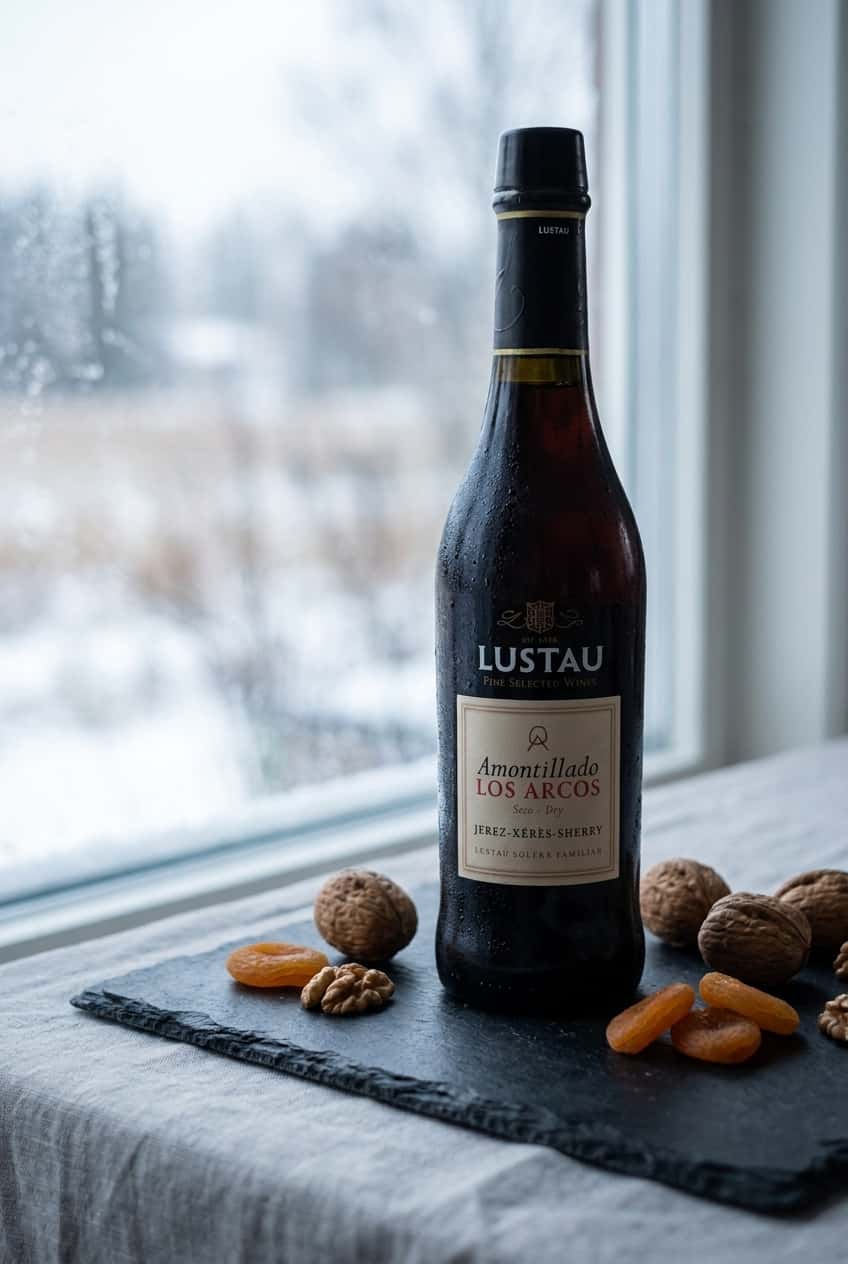
Lustau Amontillado Los Arcos (37.5 cl, 18%) is a natural place to start. Lustau is one of the most respected sherry houses in Jerez, and Los Arcos is a classic example of the style: distinctly nutty, with hints of dried fig, a little beeswax and a salty, long finish. The smaller bottle is also perfect for those who want to explore without committing to a full 75 centilitres. Think of it as an introduction – one you'll most likely want to repeat.
La Frontera Amontillado Medium Dry (75 cl, 17%) is a more accessible choice – a little fruitier and with a suggestion of sweetness that makes it easier to approach for those not yet entirely comfortable with fully dry styles. Here there is more dried apricot and light caramel in the aroma, and the finish is soft and welcoming. This works beautifully as an aperitif on a summer evening, ideally with a few salted almonds alongside. Simple, but never dull.
And then there is Equipo Navazos La Bota 85 de Fino Amontillado (75 cl, 16%) – this one is for the curious. Equipo Navazos is a cult name among sherry enthusiasts; they select exceptional casks from various bodegas and bottle them without interfering too much with the contents. La Bota 85 is a fino in the process of becoming amontillado – it is still pale and fresh, but beginning to show depth and nutty complexity. It's like hearing a piece of music at the precise moment it changes key. Fascinating, and a little magical.
| Product | Volume | Alcohol | Style |
|---|---|---|---|
| La Frontera Amontillado Medium Dry | 75 cl | 17% | Off-dry, fruity |
| Lustau Amontillado Los Arcos | 37.5 cl | 18% | Dry, nutty |
| Equipo Navazos La Bota 85 | 75 cl | 16% | Dry, transitional character |
How to serve amontillado
Amontillado is best served lightly chilled – around 12–14 degrees is ideal. Not ice-cold like a fino, not at room temperature like a red wine. An ordinary white wine glass works well, but a slightly larger glass opens up the aromas better than the narrow copita glass traditionally associated with sherry.
And don't be afraid to open the bottle and take your time with it. Amontillado keeps well once open in the fridge for two to three weeks – a significant advantage compared to most white wines. That means you can have a glass on Friday, another on Tuesday, and the bottle will still have something to say.
With food, the possibilities are many. Here are some combinations that work particularly well in summer:
- Charcuterie and manchego – the classic combination, and for good reason
- Grilled almonds and olives – simple and unbeatable as a snack
- Cold salmon with dill and sour cream – the salty, nutty character lifts the fish
- Dark chocolate – surprisingly good, especially with 70% cocoa or more
Is amontillado right for summer?
Absolutely. Think of it this way: amontillado is not a heavy winter drink. It's complex enough to give you something to think about, but fresh enough not to overwhelm you in the heat. Take a half-full bottle of La Frontera Amontillado Medium Dry on a picnic. Strike up a conversation about what you're picking up in the glass. I promise that someone will say "walnut" and someone will say "dried apricot" – and both will be right.
That is sherry's magic: it is open to interpretation, but never indifferent. Amontillado is not for everyone. But for those who give it a chance, it's hard to go back – and summer is the best time to take that first step.