
There's something about the smell of chanterelles frying in butter that makes autumn a little more bearable. But while most people automatically reach for a full-bodied red wine with mushroom dishes, there's a completely different bottle that should be at the front of the cabinet right now: sherry.
I know it can sound like a sweet Christmas wine from the back of the cupboard, but forget that. Dry sherry is actually one of the most underrated mushroom wines we have access to at Vinmonopolet – and the explanation lies in the chemistry, not in snobbery.
Why does sherry go well with mushrooms?
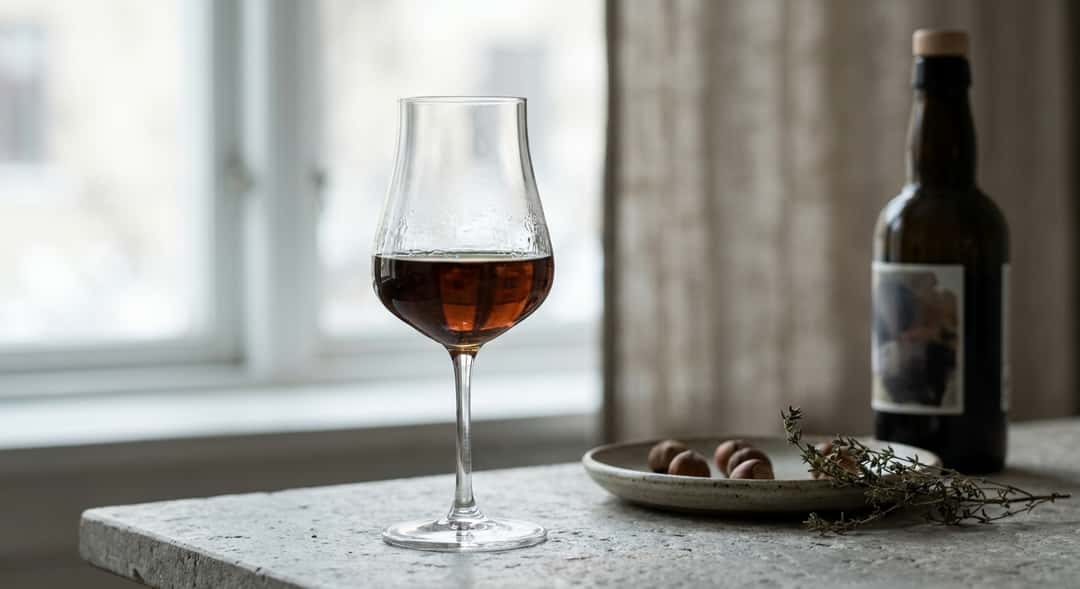
Sherry can pair well with mushrooms. Fino ages under a layer of flor yeast that protects it from direct oxidation and gives it a dry, fresh character. Amontillado first ages under flor, then with exposure to oxygen, developing a deeper, nutty profile. Both styles can complement cooked mushrooms.
Umami loves umami – that's the secret behind this year's best mushroom dinner.— OLE SOMMELIER
This isn't just a random claim from a wine nerd with too many bottles in the cellar. Umami flavor tends to make red wine metallic and bitter, because the tannins react poorly with the same amino acids that give mushrooms their deep flavor. Sherry, on the other hand, has neither high tannins nor much fruit sweetness to clash against. What it does have is salinity, acidity and an almost soy-sauce-like depth – exactly what the mushrooms need to become even more themselves.
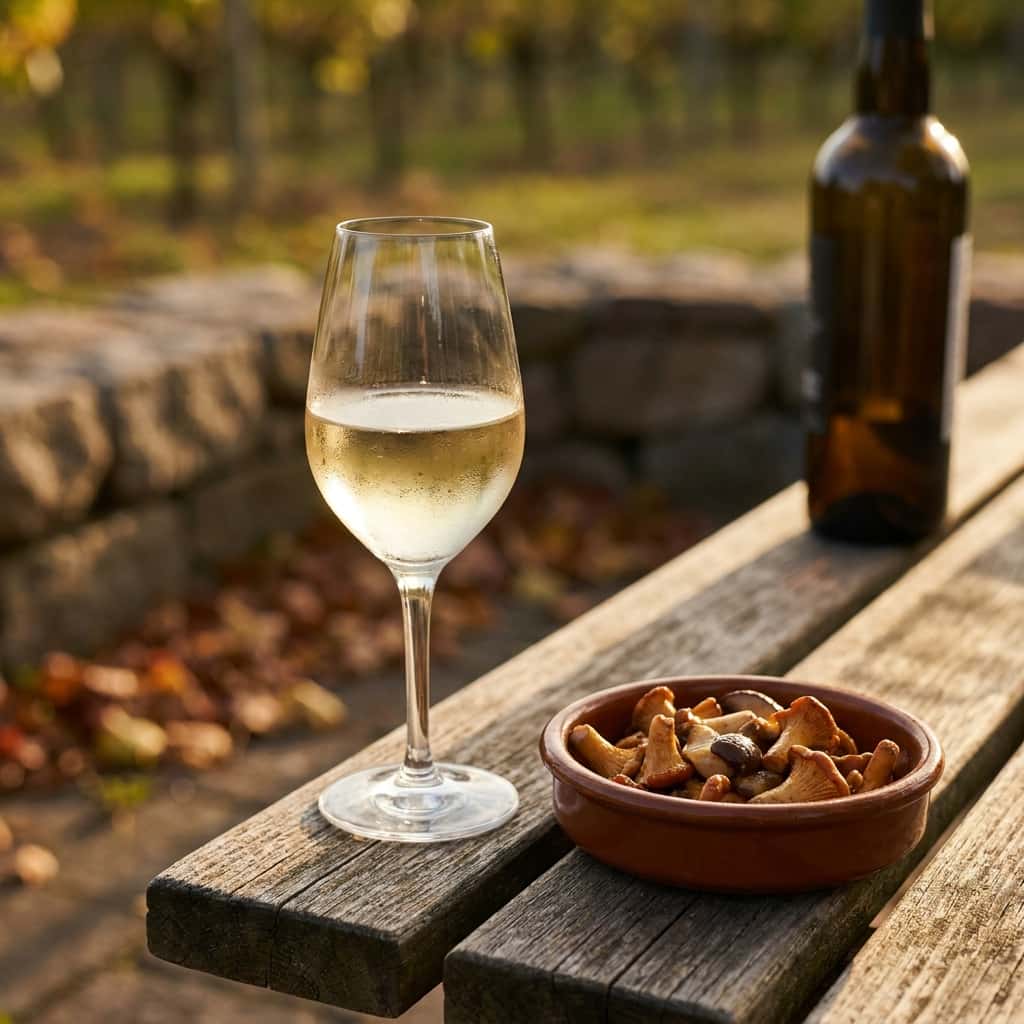
What is the difference between fino and amontillado for mushrooms?
Fino is lighter, saltier and more citrus-like, and works best with thoroughly cooked mushrooms in lighter dishes where you want to preserve the freshness. Amontillado is warmer and nuttier after longer oxidative aging, and matches heavier dishes like porcini soup, risotto or game stews with lots of umami and fat.
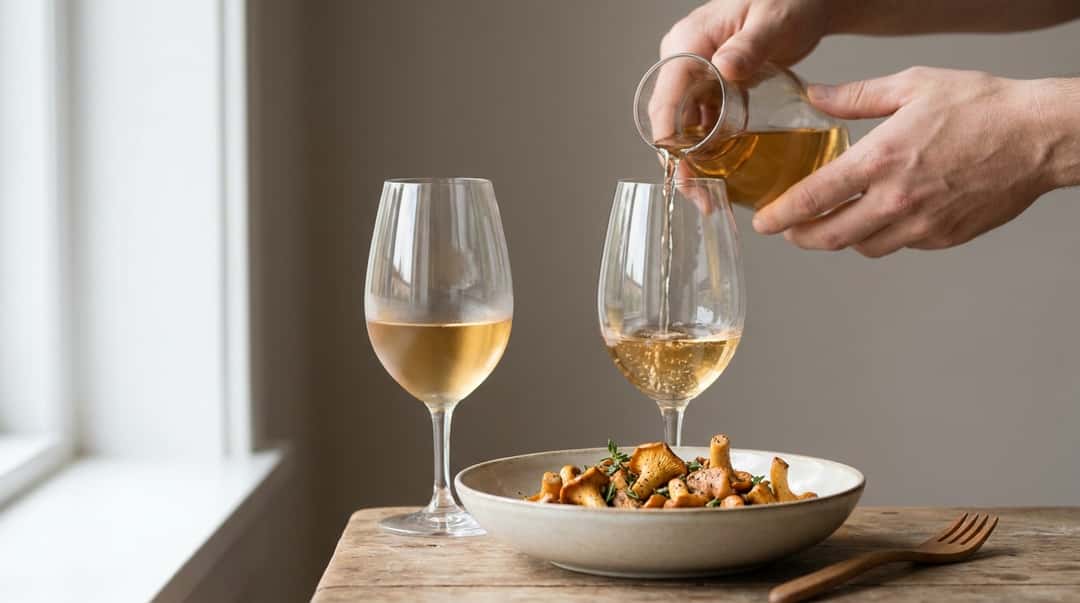
Think of it as two different phases of the same mushroom dish. If you're serving a simple chanterelle toast as a starter, a cold, sharp fino will cut through the butter and provide contrast. But when the main course arrives with porcini risotto or a truffle-creamed pasta, amontillado's caramelized, slightly nutty depth will merge with the dish instead of standing on the sidelines.
A fino worth trying in the lighter track is Tio Pepe Fino (ID: 36001), a classic, dry and salted-almond-like sherry from Jerez that stays fantastically cold and fresh through an entire mushroom starter. If you want something with a bit more history and complexity in the glass, Valdespino Inocente Fino Single Vineyard Macharnudo Alto (ID: 11887301) is a natural step up – a fino from a single vineyard with a deeper, more structured character that can handle slightly more powerful butter-and-garlic dishes. If you'd like to experience fino at its most vibrant, Tio Pepe Fino en Rama 2024 (ID: 7641501) is worth the trip: unfiltered, more intense and with an almost seawater-like fresh edge that makes it almost an aperitif in itself before the mushroom platter arrives at the table.
For the amontillado side, Lustau Amontillado Los Arcos (ID: 7715102) is a good starting point: nuts, a bit of dried fruit and a twist of salted caramel that plays perfectly against a warm porcini soup or a simple game stew with mushrooms.
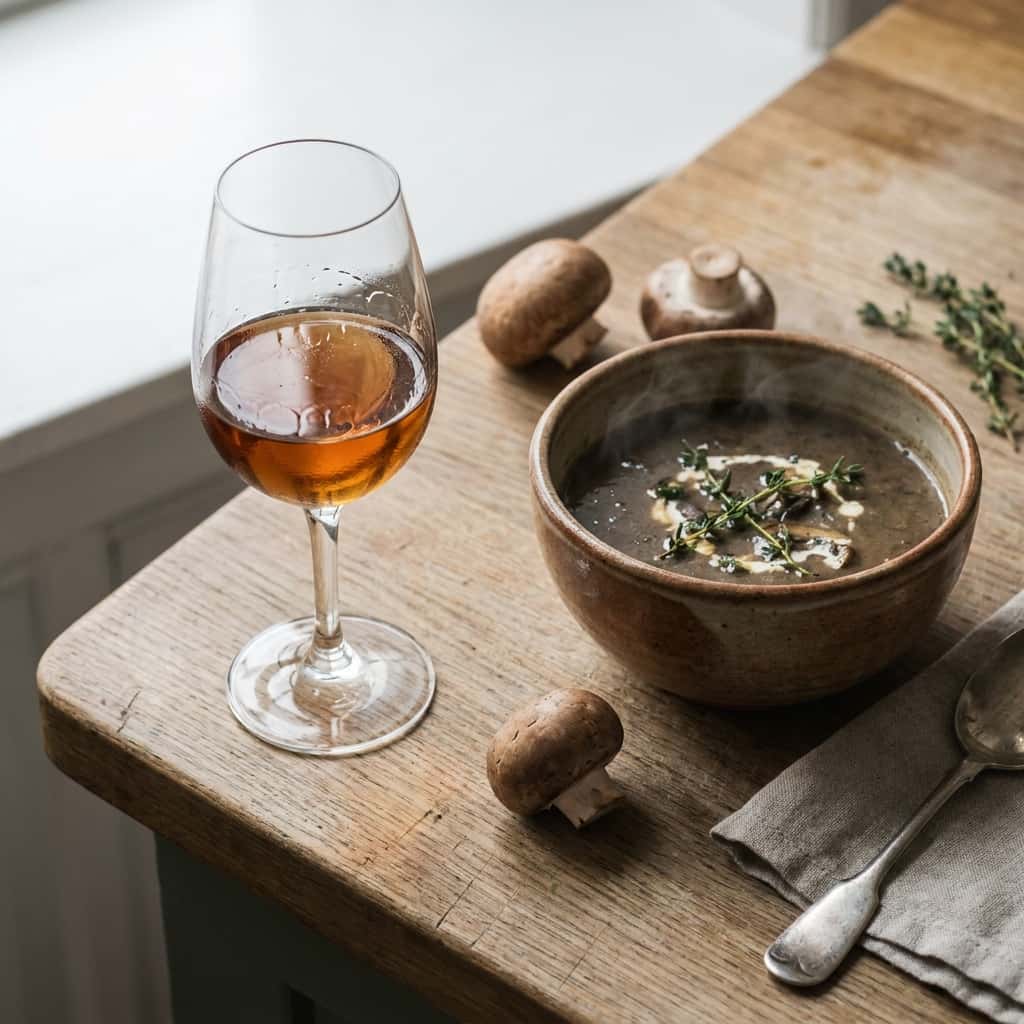
Can orange wine be an alternative to sherry?
Yes, orange wine is a good alternative to sherry with mushroom dishes because it also has oxidative and tannin-rich qualities from long skin contact. It gives a similar earthy, nutty structure, but with more fruit and freshness than sherry, and works well for dishes where you want a bit more body and acidity in addition to umami.
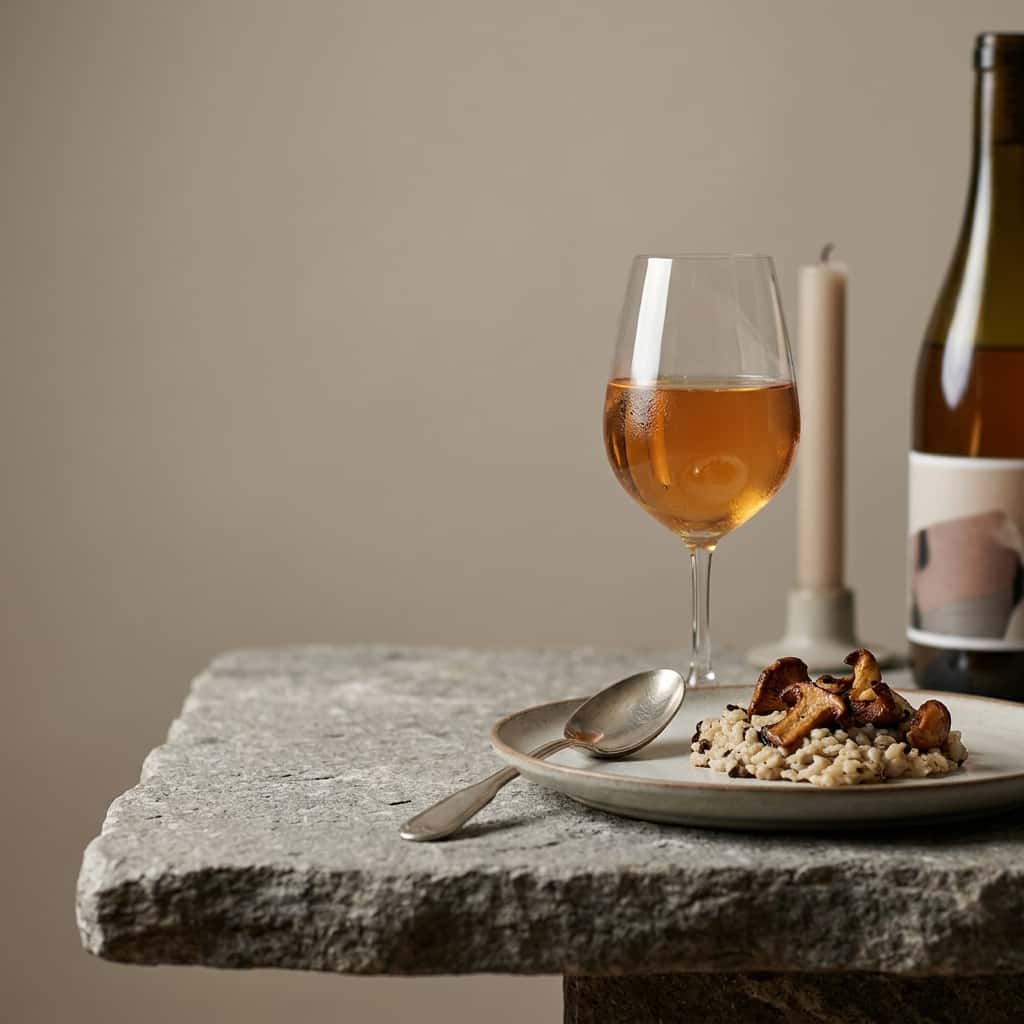
Which sherry goes with what – a simple guide
You don't need to spend a lot of money to get the umami-boosting effect – but if you go up in price and complexity, you get more depth and a longer finish in the glass.
| Sherry | Style | Goes with |
|---|---|---|
| Tio Pepe Fino | Fino, light and salty | Thoroughly cooked mushrooms, starters |
| Tio Pepe Fino en Rama 2024 | Fino, unfiltered and intense | Chanterelle toast, aperitif before mushroom dinner |
| Lustau Amontillado Los Arcos | Amontillado, nutty | Mushroom soup, stews, game dishes |
| Valdespino Inocente Fino Single Vineyard Macharnudo Alto | Fino, concentrated and complex | Richer butter-based mushroom dishes, truffle |
When should you serve sherry with mushrooms?
Sherry with mushrooms works best as part of a whole autumn dinner, not just for a single dish. Serve a cold fino with the mushroom starter, move on to amontillado or orange wine with the main course, and let your guests experience how the same "mushroom theme" can offer completely different flavor experiences across several dishes.
Reseal the bottle after serving and keep opened sherry cool. Fino is more sensitive to oxygen than amontillado; follow the producer’s storage advice. There is no need to finish the bottle that evening. Use only mushrooms you can confidently identify as edible, and follow the cooking guidance for that species.
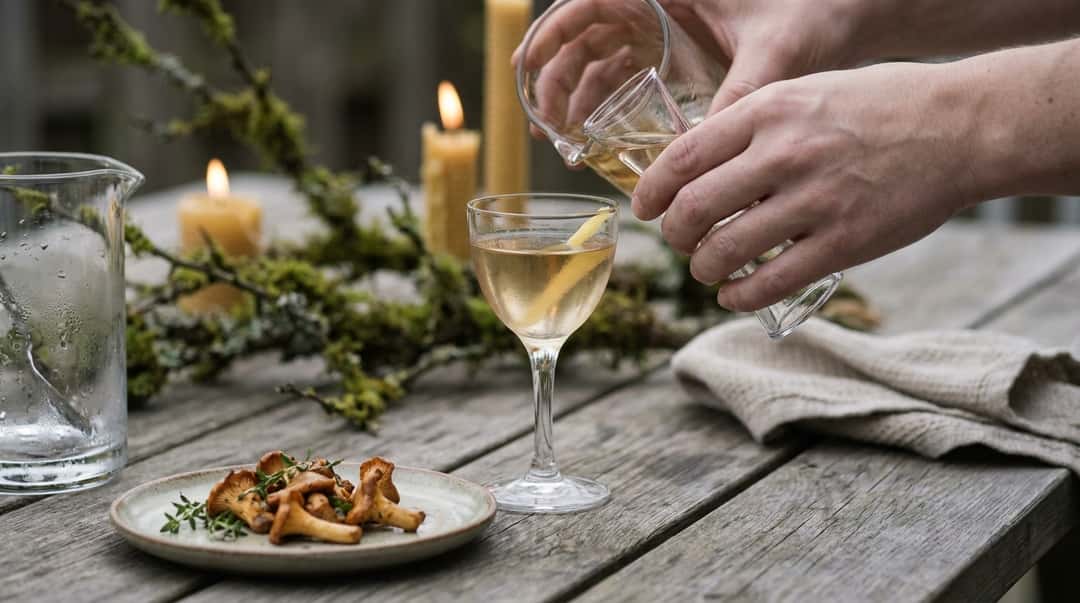
So next time you're standing with a basket full of chanterelles or porcini, let the red wine take a break. The sherry – whether it's crisp and salty like a fino, or warm and nutty like an amontillado – might be exactly the companion the mushrooms have been waiting for all autumn.