
It happened on a Tuesday in March. The sun broke through for the first time in weeks, and in that same moment the messages came rolling in: "Shall we grill at yours on Saturday?" Suddenly outdoor season was a fact, and I had four days to transform a cool, empty balcony into something resembling a Southern European terrace.
There's something about the first outdoor gathering. It doesn't require expensive tablets or a three-course menu – but it does require one critical choice: which bottles do you line up on the table that can carry the whole evening, from the first arrivals to the last ones shuffling home at one o'clock? And how do you do it without panicking in Vinmonopolet's shelves?

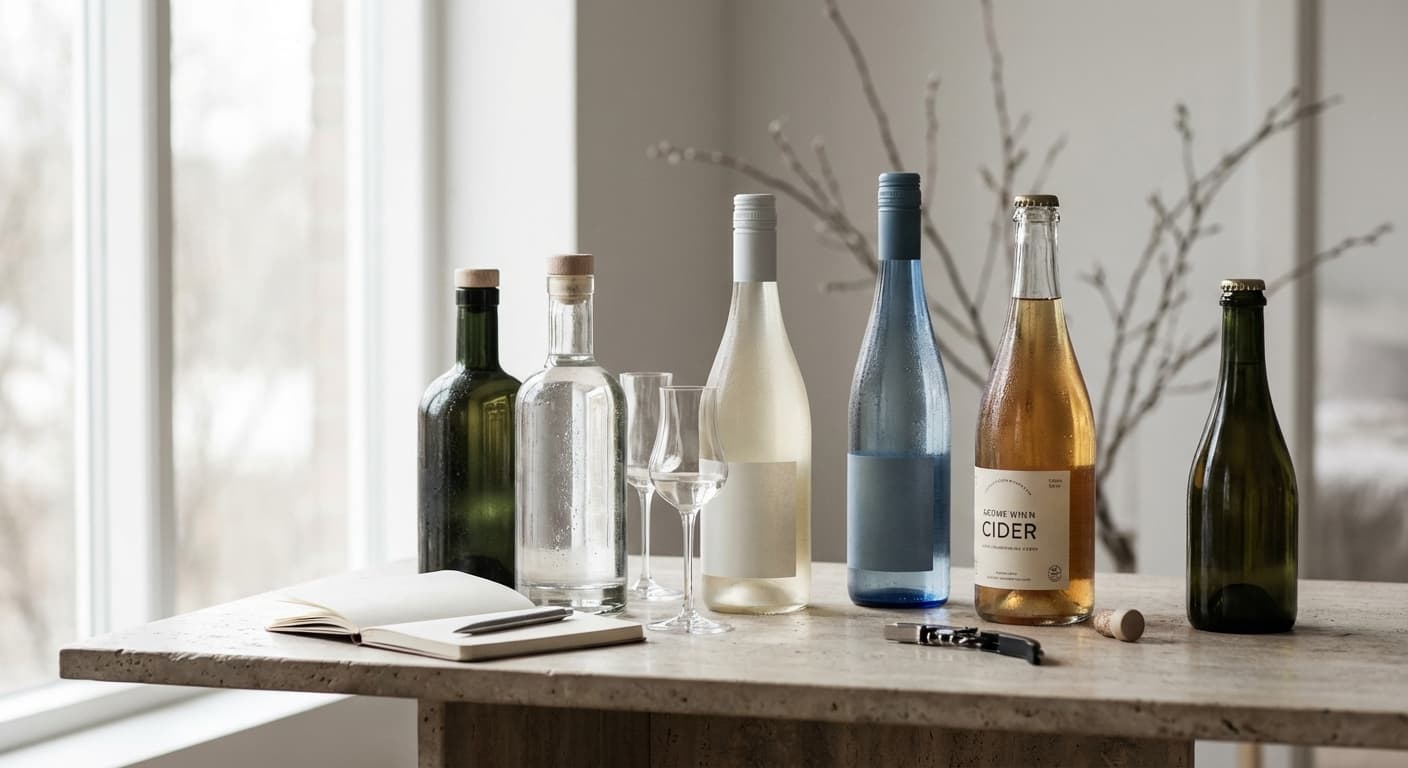
I landed on a formula: five bottles, a thousand kroner, the whole spectrum covered. Not as a ready-made package you grab at the checkout, but as a deliberate selection where each bottle has a clear role throughout the evening. Let me show you how.
Bottle one: The bubble bomb that starts the party
The aperitif glass is underrated. It's the first thing the guest gets in their hand, and it sets the tone for the whole evening. You need something that isn't Prosecco – because everyone serves Prosecco – but that also doesn't require a conversation about vintage and dosage.
A crémant from Bourgogne is perfect here. A bottle like Louis Bouillot Crémant de Bourgogne Perle de Vigne Grand Réserve at around 200 kroner does the trick: pure chardonnay, crisp apple freshness, a hint of brioche in the background. It can both open the party and stay on the table through the starters without boring anyone.

If you really want to impress without wrecking the budget, also consider Chanzy Crémant de Bourgogne Blanc de Blancs – another chardonnay-driven sparkling wine with sharp minerality and a price tag under 200. Both of these bottles do what Champagne does at a third of the price: they get guests to relax and smile.
The great thing about crémant is that it doesn't take itself too seriously. It's festive enough to signal that the evening is underway, but relaxed enough that nobody feels they have to talk about pearl necklaces and mousse. Perfect with the first snacks – olives, nuts, maybe a little cured ham – while the grill heats up and the conversation finds its rhythm.
Bottle two: The white wine that carries the main course
Now it's time to grill. Chicken thighs, white fish, vegetables with lemon and herbs. You need a white wine that can handle smoke, fat, and tart dressings – and that doesn't turn sour and sharp when it gets a little too warm in the glass.
A simple Bourgogne Aligoté or a Muscadet does the job, but my choice here is a Chablis at 180–220 kroner. It has that stone-cold minerality that cuts through grill butter and lemon, while the chardonnay grape variety gives enough body to match chicken and fish. Lightly chilled, served in large glasses – and suddenly the grilled food tastes like it came from a terrace in Provence.

White wine with grilled food is an underrated combination. Many people automatically think red wine when meat is involved, but a properly mineral white wine with good acidity elevates grilled flavours in a completely different way. It cleanses the palate between bites, highlights herbs and citrus, and stays fresh even as the evening gets warmer.
If Chablis feels a little too fancy, go for a Muscadet sur lie or a simple white Bourgogne. The point is the clean, unpretentious freshness that lets the food shine.
Bottle three: The rosé that lasts until midnight
Here's the secret nobody talks about: a good rosé can stay on the table all evening. It works as an aperitif, it works with salad and grilled food, and it works when someone suddenly wants something light and fresh at eleven o'clock.
Choose a Provence rosé at 150–180 kroner. Nothing fancy, but a properly dry, pale rosé with strawberry, white pepper and that salty undertone. It should be so pale it almost looks like white wine – then you know it's made for food, not for Instagram.

Buy two bottles if there are eight of you. It always runs out. Rosé has the magical quality of going with almost everything: grilled vegetables, feta cheese, tomato salad, chicken, salmon, even a burger if someone insists. It's the evening's quiet hero – never in the way, always welcome.
And when the temperature drops and some people start to feel a little cold, rosé holds its ground where white wine can become too sharp. It has just enough body to work as the evening turns into night.
Bottle four: The red wine for those who ask for red wine
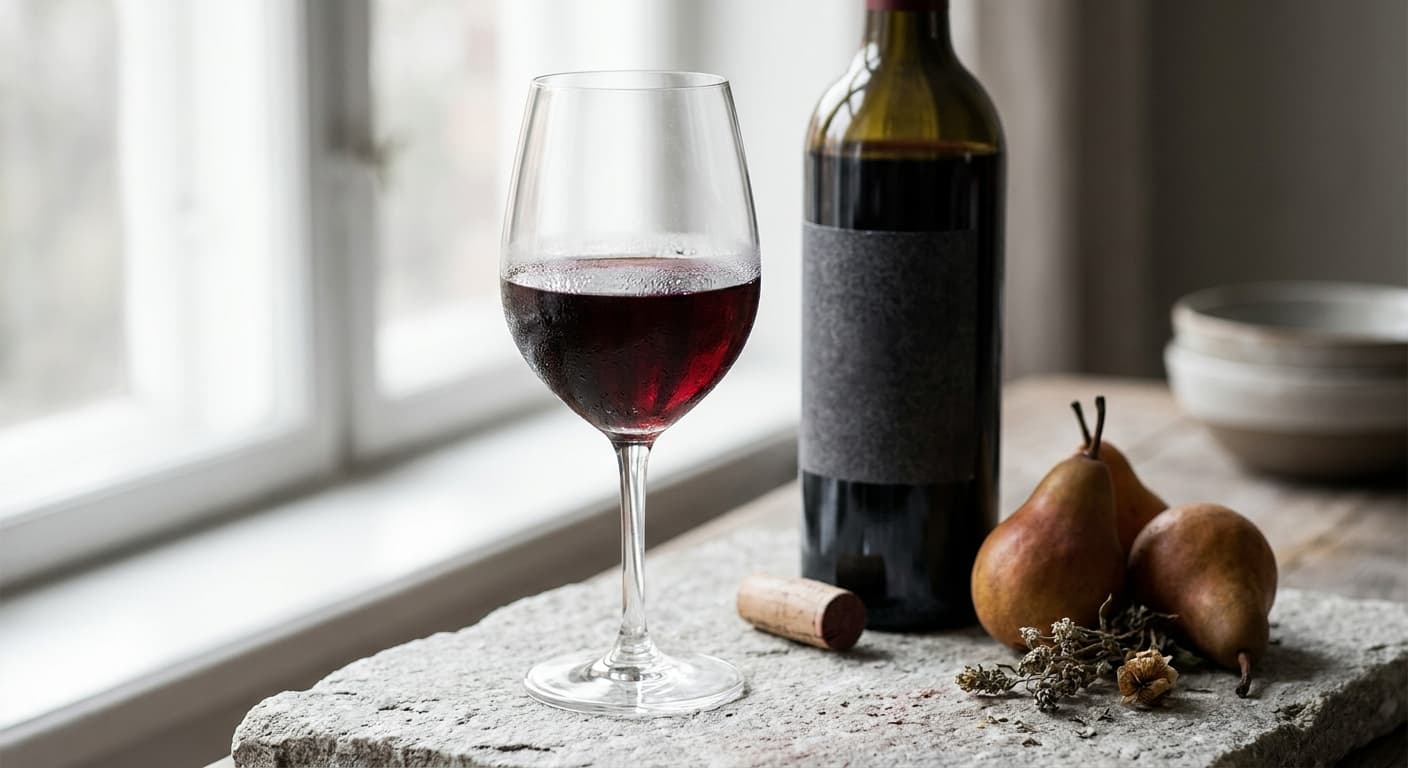
There's always one. One guest who wants red wine at the grill evening. Not because it's a perfect match, but because they always drink red wine. For this guest you need a lighter red wine that doesn't clash with the whole spring feeling.
A Beaujolais, a Pinot Noir from Loire, or a cool Mencía from Spain. Something with fresh acidity, dark berries, a hint of floral character – and ideally served slightly chilled. The budget here is 180–220 kroner. This bottle shouldn't steal the show, but it should save you from hearing "Don't you have any red wine?" in the middle of the grilling.
The trick is to choose something light enough to work outdoors in the spring warmth. Heavy, tannic red wines feel wrong when the sun is still shining and the food is light. But a cool Gamay or Pinot Noir – straight from the fridge if you like – is made for the situation. It has the fruitiness people want, but without the weight that makes you feel full after two glasses.
And if the red wine guest really appreciates the wine, you've suddenly scored points without spending more than 200 kroner.
Bottle five: The dessert glass that makes people stay
The evening is drawing to a close. Stomachs are full, conversation is slowing, some people are starting to glance at their watches. Now you need something sweet, concentrated and beautiful in small glasses – something that makes people stay for another half hour.
A half bottle of Sauternes, a Muscat de Beaumes-de-Venise, or a simple port wine. The budget: 150–200 kroner. Serve it with cheese, dark chocolate, or just on its own. The key here is not to ask whether people want dessert wine – just put the glasses out. They always disappear.

Dessert wine has an almost magical ability to extend the evening. It's sweet enough to work as dessert in itself, but complex enough that people will want to talk about it. And because it's served in small glasses, it feels luxurious without being overwhelming.
A Sauternes with honey, apricot and almond. A Muscat with rose petals and citrus zest. Or a ruby port with dark berries and chocolate. All three cost under 200 kroner in a half bottle – and all three make guests remember the evening as something special.
Counting to a thousand
Let's do the maths:
- Crémant: 200 kr
- White wine (Chablis): 210 kr
- Rosé x 2: 340 kr
- Red wine: 200 kr
- Dessert wine: 180 kr
Total: 1,130 kroner.
Okay, we're a little over – but hold back on one rosé or swap the Chablis for a simpler white wine, and you're under a thousand. The point isn't to follow the recipe slavishly, but to think in terms of structure: bubbles to open, white and rosé through the middle, a touch of red for those who want it, and something sweet at the end.
This isn't an expensive evening. It's a well-considered evening. Five bottles that each have a role, that together cover the whole spectrum from aperitif to midnight. No gaps, no panic, no guests wondering what they should drink.
And when the sun finally sets behind the neighbouring block and the last guest shuffles out the door with a half-full bottle of rosé under their arm, you'll know you pulled it off. You covered the whole spectrum with five bottles, a thousand kroner – and one perfect spring evening balance.