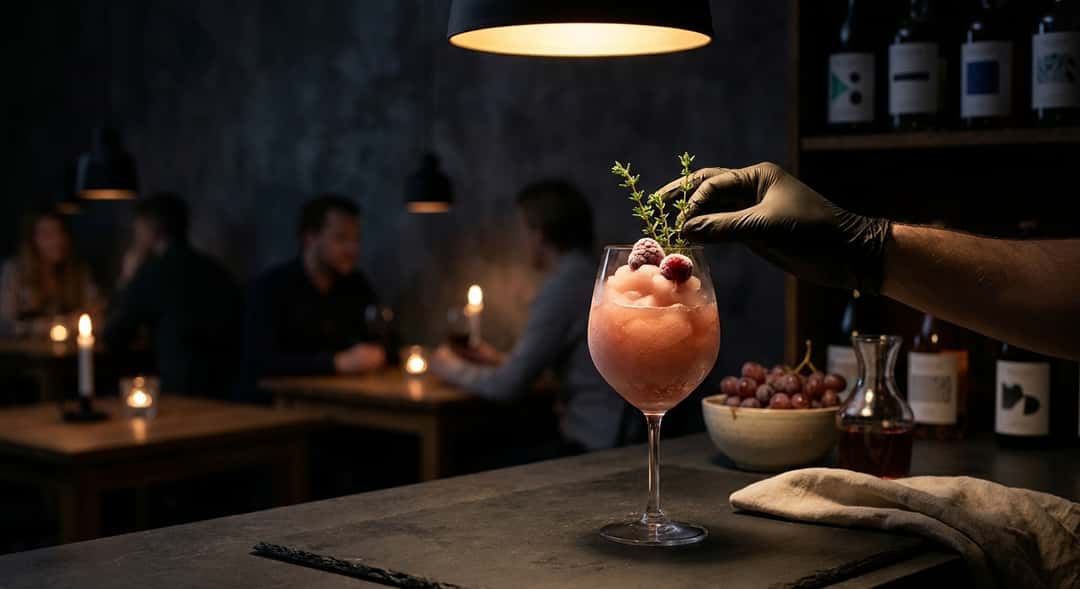

There is a drink that almost feels like cheating – in the best possible way. You take a bottle of rosé you already love, mix it with a little fruit and citrus, and let the freezer do the work. The result is frosé: a silky, slushy, and intensely refreshing drink that belongs to a Norwegian summer just as much as grilling and sunsets by the sea.
Frosé became a viral sensation at New York bars around 2016, and has since spread to terraces all over the world. It is easy to understand why – the combination of wine, fruit, and ice hits all the right notes when the thermometer starts climbing.
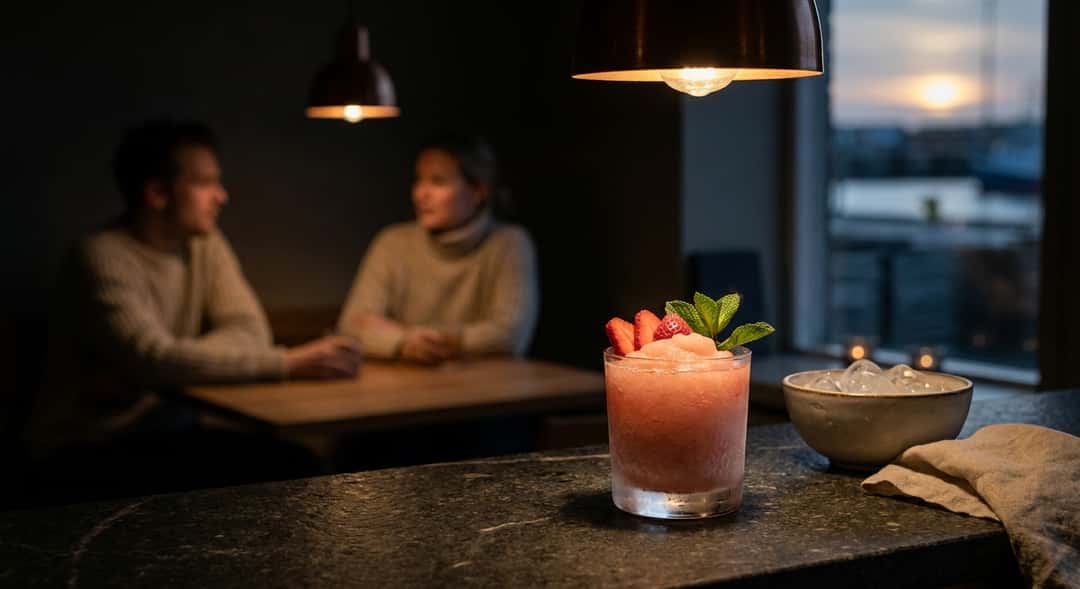
What exactly is frosé?
Frosé is, simply put, rosé that has been through the freezer. But there is a little more technique behind it than that. If you just throw a bottle of wine in the freezer and wait, you will end up with either a block of ice or – if you are unlucky – an explosion of glass. The wine contains alcohol, and alcohol lowers the freezing point. That is why rosé does not freeze solid; instead it becomes a soft, granita-like mass.
The key is to combine the wine with a simple syrup and optionally a fruit purée. The sugar helps with the texture and rounds out the tartness, while the fruit provides colour and aromas that truly bloom in the cold state.
Basic recipe: Classic frosé with strawberries and lemon
Ingredients
- 75 cl dry Provençal rosé (1 bottle)
- 200 g fresh or frozen strawberries
- 4 cl freshly squeezed lemon juice
- 3 cl simple syrup (equal parts sugar and water, cooled)
- Ice cubes for serving (optional)
Method
- Pour the rosé into a wide, freezer-safe container – a metal tin or a large zip-lock bag works perfectly. Place it in the freezer for at least 6 hours, preferably overnight.
- Blend the strawberries into a smooth purée and strain through a fine-mesh sieve to remove the seeds.
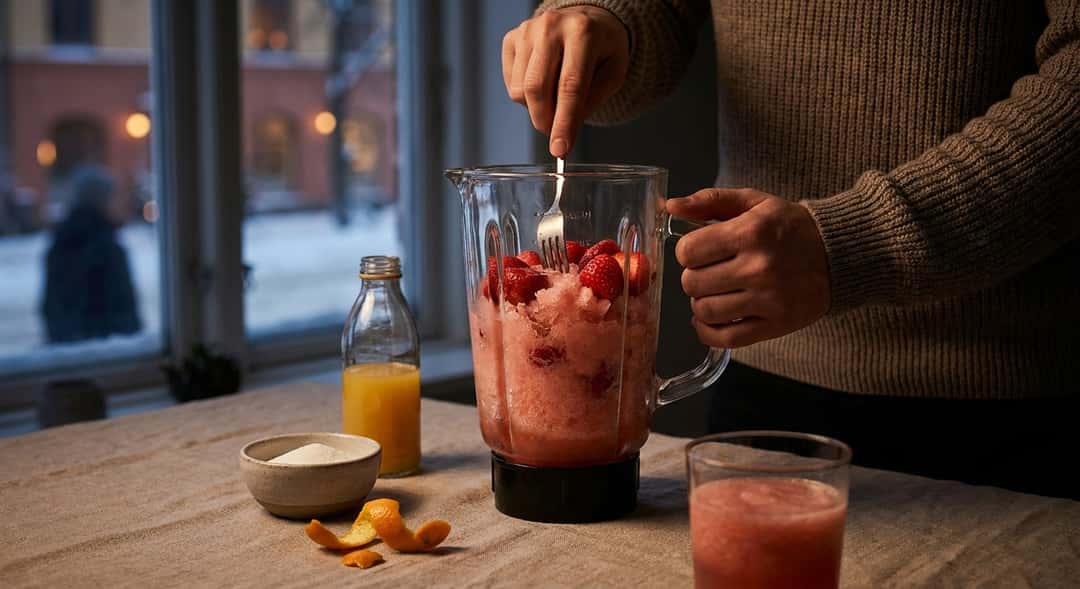
- Take the wine out of the freezer – it should have the consistency of a slushie, not a block of ice. Scrape it loose with a fork.
- Add the half-frozen wine, strawberry purée, lemon juice, and simple syrup to a blender. Blend until you have a smooth, creamy mixture.
- Serve immediately in pre-chilled glasses, or return the mixture to the freezer for 30 minutes for a firmer consistency.
Tip: Garnish with a strip of lemon zest or a couple of fresh strawberries along the rim.
Which rosé works best?
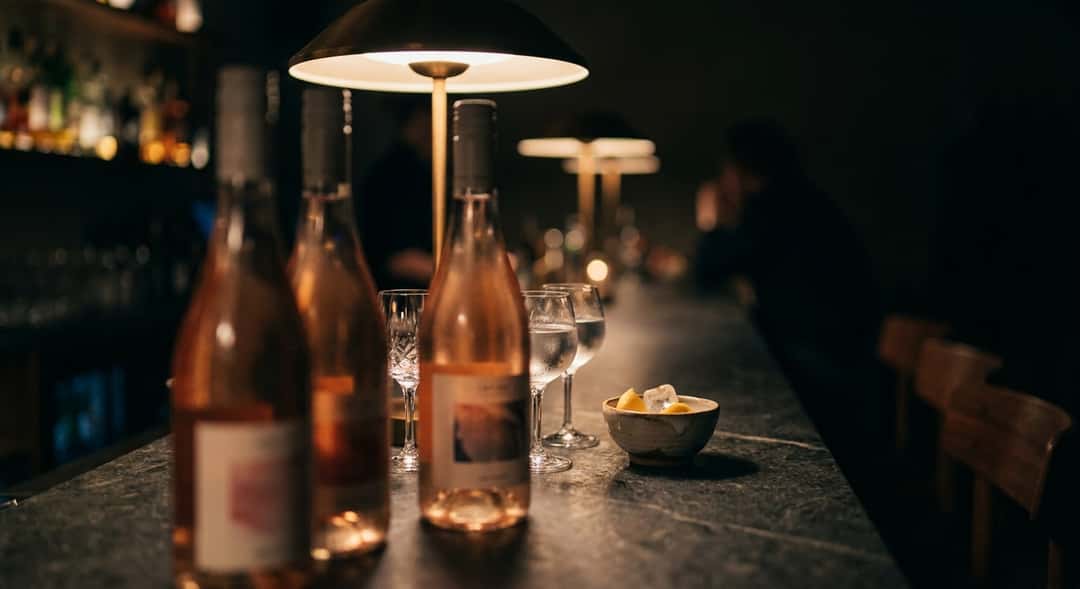
There is actually room to make smart choices here. Not all rosés hold up equally well through the freezing process, and the choice of wine matters more than many people think.
Dry Provençal rosés are the classic choice, and for good reason. They are light, fresh, and aromatically discreet – which means the fruit ingredients you add get to shine. Dom. de Cantarelle Triplette Côtes de Provence is a fine example of this style: light, floral, and with just the right amount of tartness to bind everything together in the glass. It has a delicate scent of peach and wild flowers that holds up surprisingly well through the freezing process.
Fruity, approachable rosés with a little more berry character also work very well. Gérard Bertrand Côte des Roses Rosé 2025 is an elegant rosé from Languedoc with hints of red fruit, a touch of blossom, and a pleasant length – and the distinctive rose-shaped base of the bottle makes it extra festive to put on the table. It holds up well through the freezing process without turning flat or bitter.
Avoid: Heavy, extraction-driven rosés with a lot of tannins – for example saignée styles from Bordeaux. They can turn bitter and unbalanced when frozen. The same applies to very cheap rosés with a lot of residual sugar; they freeze into an overly sweet ice that lacks freshness.
A handy rule of thumb: choose a rosé at 11–12.5% alcohol. Lower alcohol gives a firmer ice, higher gives a slushie that melts too quickly.
Three variations you should try
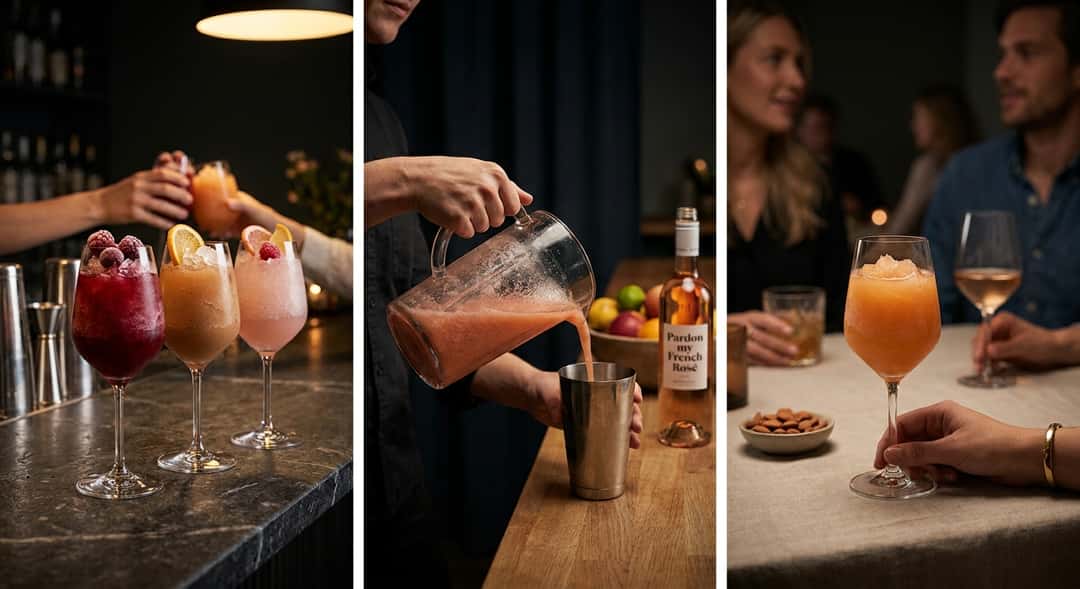
Once you have mastered the basic recipe, it is easy to experiment further. Here are three directions that all work brilliantly:
Mango and lime: Replace the strawberries with ripe mango purée and use lime juice instead of lemon. This variation pairs perfectly with a lighter, more mineral rosé – and gives the frosé a tropical character that is hard to resist.
Raspberry and rosemary: Make a rosemary-infused simple syrup by heating sugar, water, and a sprig of rosemary for five minutes. Strain and cool. Use this instead of plain simple syrup, and add fresh raspberry purée. It gives an elegant, herbal depth that pleasantly surprises your guests.
Watermelon and mint: Blend watermelon into a purée, strain, and use directly. Add a few fresh mint leaves to the blender at the end and run for one second – no longer, or the frosé will turn green. The result is summer in a glass, and it disappears fast.
Planning for more guests?
Frosé is the ideal party drink option because most of it can be done the day before. Freeze the wine overnight, make the purée and simple syrup in advance, and blend in batches as guests arrive. If you are using a large batch recipe – say, two bottles – Pardon my French Rosé 2025 in a 150 cl container is a practical and budget-friendly option with the light, fruity style you are looking for. It has a fresh, berry-toned character that holds up well in large quantities.
Another trick for large gatherings: pour the finished frosé back into a freezer-safe container after blending, and let it firm up in the freezer for 20–30 minutes. Then scrape it loose with a large fork and serve with a spoon. This gives a more granita-style serving that is easier to manage than blending over and over again – and looks impressive on the table.
Non-alcoholic version
You do not need wine to make something similar. Replace the rosé with a mixture of red grape juice and water (3:1), add lemon juice and simple syrup as normal, and freeze in the same way. This gives an equally impressive, slushy drink for those who prefer it – and children love it. Serve it alongside the real thing, and you will have something for everyone around the table.
The simple wisdom of frosé
What is wonderful about frosé is that it requires no bartender equipment, expensive ingredients, or advanced technique. It requires time – and it is the freezer that does the work for you. Start the evening before, choose a good dry rosé, and let the fruit and tartness take you where you want to go: a terrace, a waterfront, or simply your own kitchen counter where you can finally call yourself a bartender for the evening.
Remember: frosé is not a drink you stress over. It is a drink you plan calmly, put in the freezer, and forget until the next day – by then everything is ready and summer can truly begin.
Welcome to summer's simplest and most enjoyable drinks project.