
You sit down at the restaurant, the menu arrives at the table, and then it happens: the wine list appears. It's often ten pages long, full of French place names and prices that vary by a factor of five. Your pulse rises a little. You pretend to read while really just looking for something that won't cost you a fortune.
Most people know that feeling. But you don't actually need to have it. Because the wine list isn't an exam – it's an invitation. And when you know what you're looking for, it's surprisingly easy to find both quality and value.
What the pricing actually means
Most restaurants charge between two and three times the purchase price for a bottle of wine. That means a bottle listed at 600 kroner typically costs 200–250 kroner in a store. Is that fair? That's a different discussion. But those are the rules of the game, and they apply fairly consistently.
What's really interesting, however, is where in the list the extra money sits. Restaurants often take a higher margin on well-known names – the ones that sell themselves. A bottle of Barolo from a famous house, or a Chablis Premier Cru that everyone recognizes, is easy to sell, and restaurants know it. So they can charge more.
The most reasonably priced bottles are often the ones that require a little more explanation – the wines the sommelier is personally enthusiastic about, but that not everyone may already know. Look for Mâcon instead of Meursault, look for Montecucco instead of Brunello, and look for Kamptal instead of Burgundy.
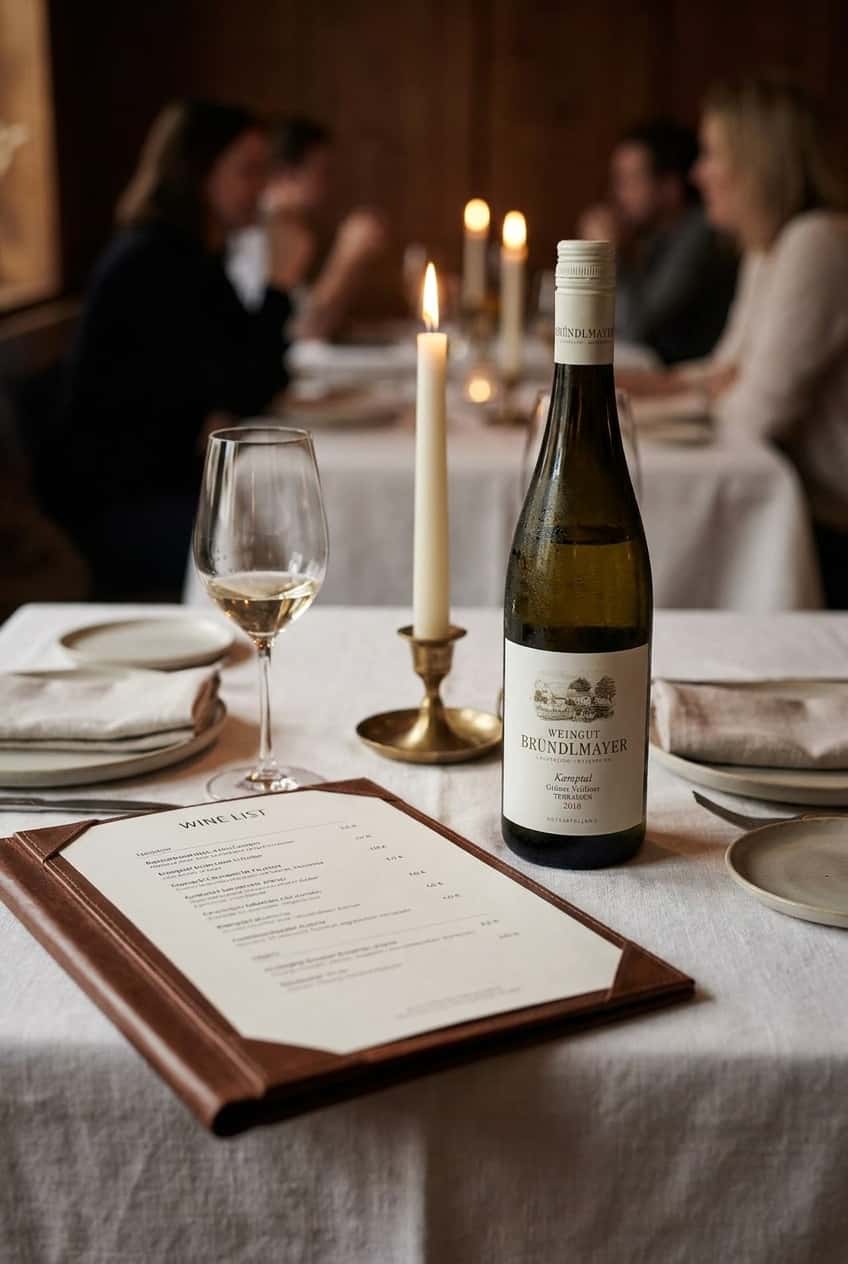
A classic example: Bründlmayer Kamptal Grüner Veltliner Terrassen 2025 is exactly the kind of wine that gives you a lot of pleasure for the money on the list. Fresh, mineral, and elegant from Kamptal in Austria – with a characteristic white pepper note and crisp acidity that makes it a dream with spring's lighter dishes. But without the automatic premium that Burgundy commands. If you already know it, it's a superb card to play.
Grape varieties and regions that give you the most for your money
This is the secret most people don't know: there are systematic loopholes in the wine list's pricing structure.
White wine
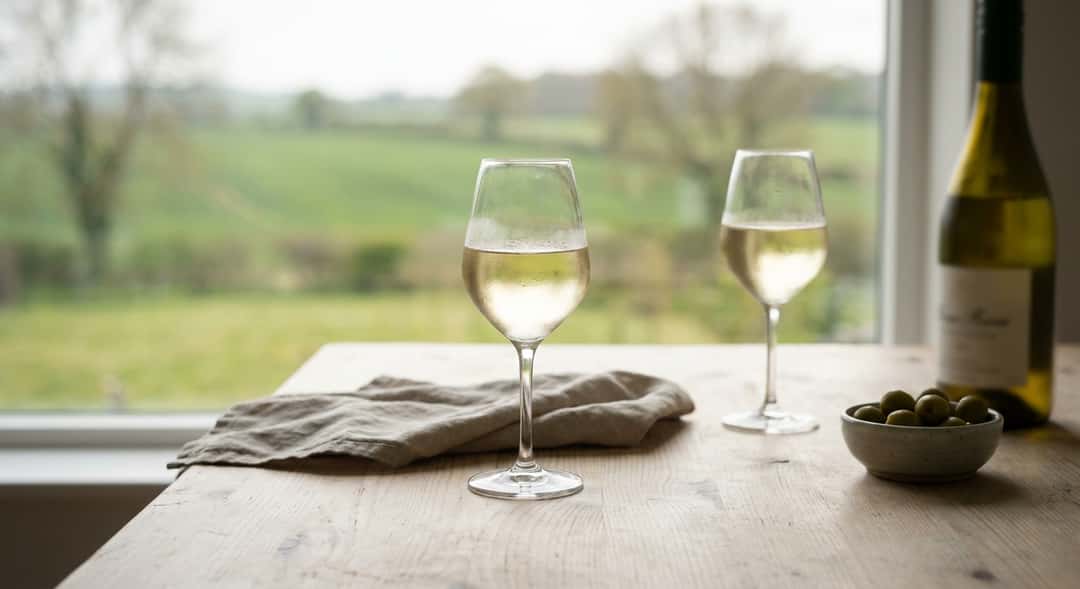
Muscadet is the prime example. Ch. de la Ragotière Les Vieilles Vignes Muscadet Sèvre et Maine Sur lie 2023 is a wine with depth, minerality, and a long aftertaste – made from old vines and aged on the lees (sur lie) for extra texture and a subtle yeasty richness. It's a wine that pairs brilliantly with seafood and white fish, and the price on the list rarely reflects the quality.
The same applies to Mâcon for those who want a Burgundian style without a Burgundian price. Les Héritiers du Comte Lafon Mâcon-Uchizy Les Maranches 2023 is produced by the same family that runs some of Meursault's most famous estates. Here you get genuine Burgundian craftsmanship – fresh Chardonnay with fine fruit, good acidity, and a discreet creamy finish – for a fraction of the price. That's exactly the kind of discovery a good wine list can offer.
Red wine
In Italy, it's worth looking south and east for the real values. Sangiovese from Montecucco, Nerello Mascalese from Etna, and Blaufränkisch from Austria are all grape varieties with exciting profiles and moderate price tags. They often end up on the list because the sommelier is genuinely enthusiastic – not because they sell themselves on a famous name.
Three simple tricks when you open the list
1. Find the sommelier's favorites
Many lists have a small section called "recommendations," "the kitchen's selection," or something similar. It's not always there, but when it is – make use of it. These are typically the wines the staff drink backstage, chosen because they're extraordinary, not just well-known.
2. Go one step down from the big names
Tempted by Saint-Émilion? Look for Côtes de Castillon right next to it on the map. Is Gevrey-Chambertin on the list? See if there's something from Fixin or Marsannay. The quality is often surprisingly similar, but the price rarely is.
3. Wines by the glass are underrated
Restaurants tend to put their best buys on the by-the-glass list – they need bottles that people actually order, which gives them an incentive to choose wines that convince with a single taste. A good by-the-glass list reveals a lot about the ambition level of the wine cellar.
How to talk to the sommelier – without seeming clueless
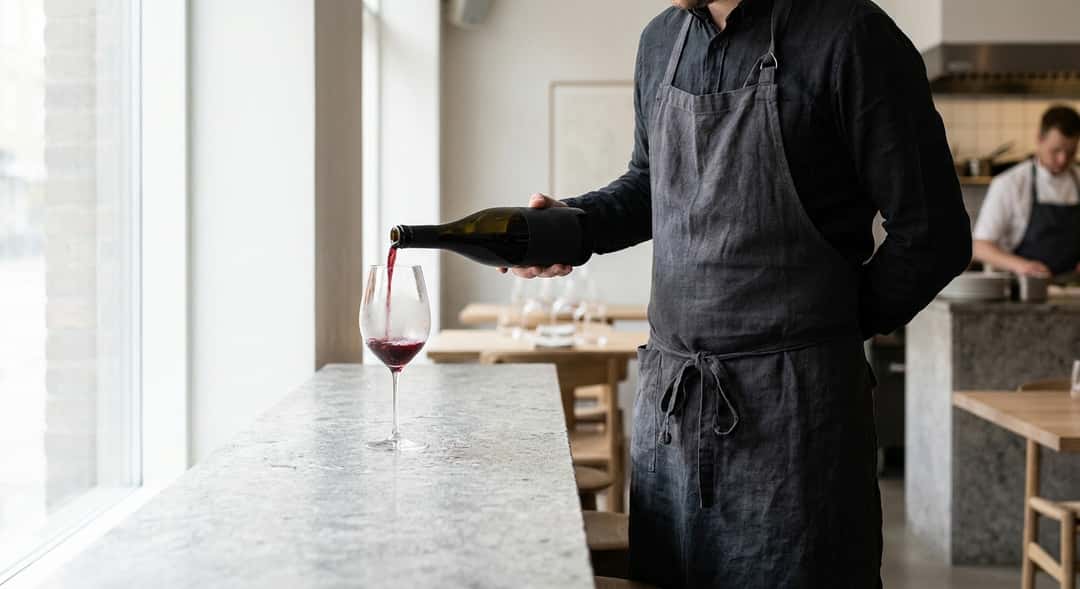
Here's the best news: the sommelier wants you to ask. That is literally their job, and most of them are genuinely excited to help.
You don't need to say "I'd like something with good minerality and low sulfite levels." You can say exactly what you're thinking:
- "We're having fish – what's the best buy on the white wine list?"
- "There are two of us who like red wine, but nothing too heavy. What do you recommend?"
- "We have a budget of around 600–700 kroner. What would you choose?"
That last sentence is gold. Saying out loud what you have to spend removes all the mystery and gives the sommelier the freedom to recommend something they're actually proud of within that range.
Don't be afraid to ask about taste and style. A good sommelier translates what you say into something in the cellar – and that kind of dialogue is what makes the evening better for everyone.
Pause at the unfamiliar names
Wine lists are also maps of the sommelier's travels and passions. See something you don't recognize? That's a sign that someone has put thought into it. Furmint from Slovenia, Chenin Blanc from South Africa, Nerello Mascalese from Sicily – these don't appear on the list by accident.
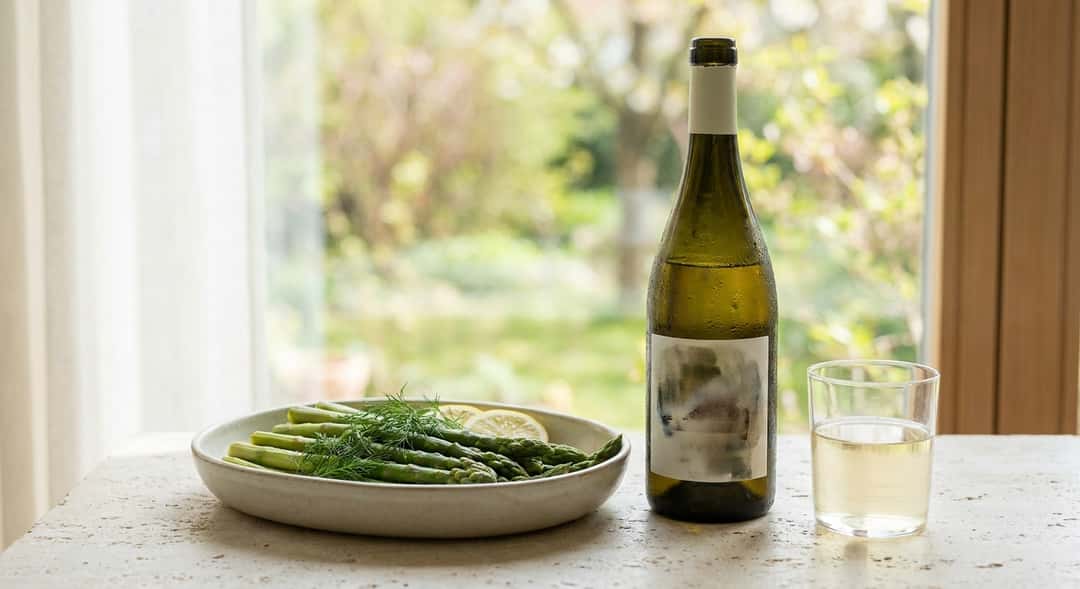
Puklavec Ena Dva Tri Pure Furmint 2024 is a good example. A fresh and aromatic white wine from Slovenia with brilliant acidity, hints of citrus and green apple, and an almost saline minerality in the finish. It has a character that pairs perfectly with spring's lighter dishes – asparagus, light pasta dishes with herbs, or a simple fish fillet. Right now, in the middle of May, it's the kind of wine I would point to if I were sitting at a good restaurant on a spring evening.
The most important thing to take away
The wine list isn't designed to trick you – but it's not designed to make your life as easy as possible either. It takes a little knowledge and a little courage to navigate it well.
With a few simple moves – knowing the underrated regions, daring to ask the sommelier, and being open to the unknown – the wine list transforms from an intimidating document into an exciting menu of the evening's potential highlights.
Because that's exactly what it is: a map to something good in the glass. And that's never a bad place to start.