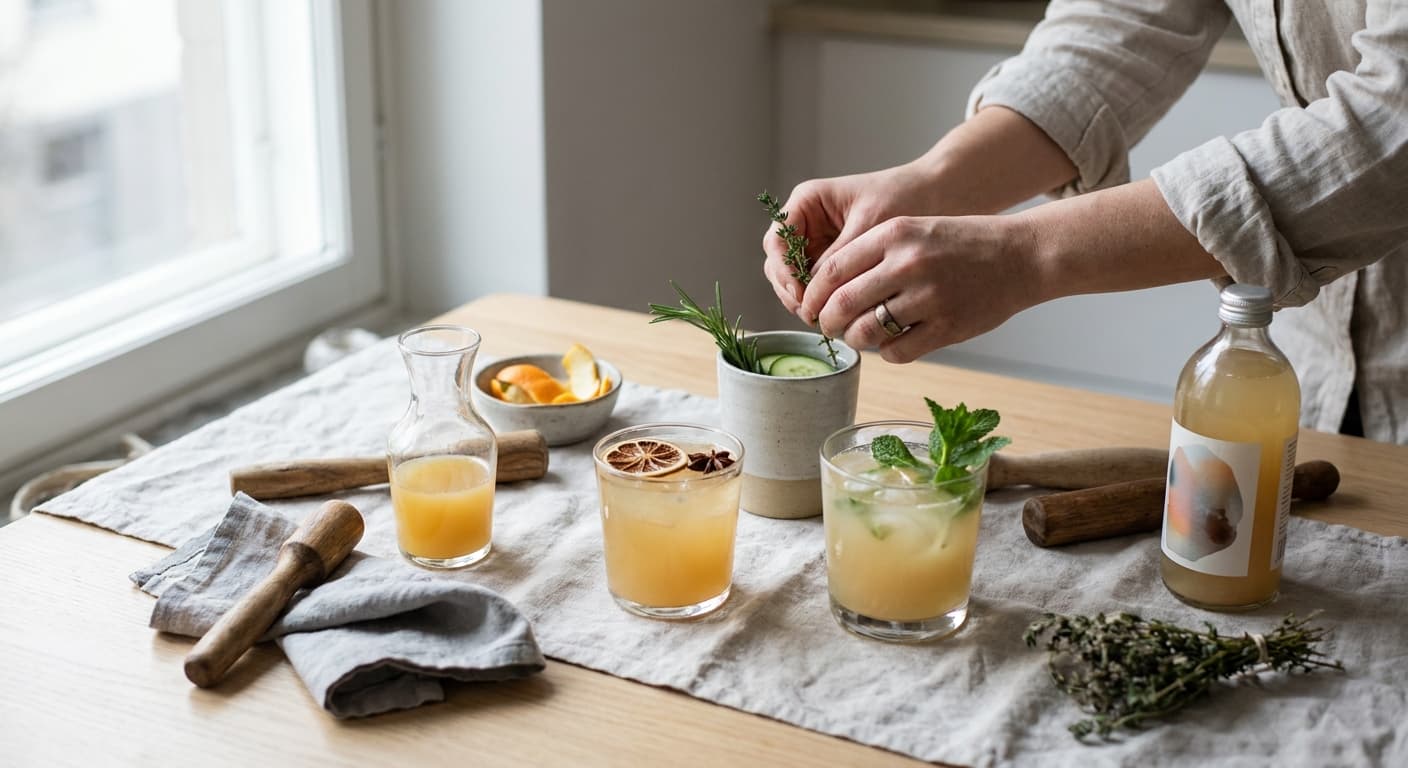

It starts with a small jar, a little grated ginger, sugar, and water. By the next morning, your kitchen has a living, slightly fizzy liquid that smells sharp and earthy all at once – and that is the crown jewel of all the non-alcoholic cocktail-making you are going to do for the rest of spring.
I have used fermented ginger shot as the bartender's secret weapon for years. Not because it is trendy, but because it works. The light fermentation gives a natural carbonation and a depth you simply cannot get from a bottle of store-bought ginger beer alone. It is the same logic that makes homemade sourdough bread beat factory bread: it is the culture in the dough – or in this case, the yeast in the ginger – that does the work.

The Ginger Shot – the Base Recipe
This is not kombucha, and it is not kefir. It is something simpler and faster: a wild ferment overnight that uses the natural yeasts living on the ginger root itself. No starter culture, no special equipment – just raw ingredient, sugar, time, and a little trust in nature.
Ingredients (approx. 400 ml finished shot base)
- 60 g fresh ginger, coarsely grated (with the skin – that is where the yeast lives)
- 3 tbsp sugar
- Juice from 1 lemon
- 400 ml room-temperature water (not boiled – the chlorine in tap water can kill the yeast)
Method
- Combine the ginger, sugar, and lemon juice in a clean glass or jug.
- Pour over the water and stir until the sugar has dissolved.
- Cover with a piece of kitchen paper and a rubber band – do not screw on a lid, as the gas needs to escape.
- Leave at room temperature for 12–16 hours. You should see small bubbles on the surface – that is a sign that fermentation is under way.
- Strain off the ginger pulp and store the liquid in the fridge. Use within 3–4 days.
Taste profile: Spicy, fresh, and with a light yeast character. It tingles faintly in the nose, and the aftertaste is long and warm without burning.
A small technical note: fermentation time noticeably affects the flavour. 12 hours gives a relatively mild, lightly tart shot. 20–24 hours gives more fizz and more depth – but be careful it does not become too tart. It is a balance, just like with good beer. If that way of thinking resonates with you, you are already halfway to understanding what fermentation is really about.
Now that you have the base recipe, it is time to build three long drinks around it. The idea is that the shot acts as a flavour bridge – it binds the other ingredients together and gives the glass its backbone.

Drink No. 1 – Spring's Vigil
For: weekend brunch, an outdoor terrace, a lazy Friday afternoon
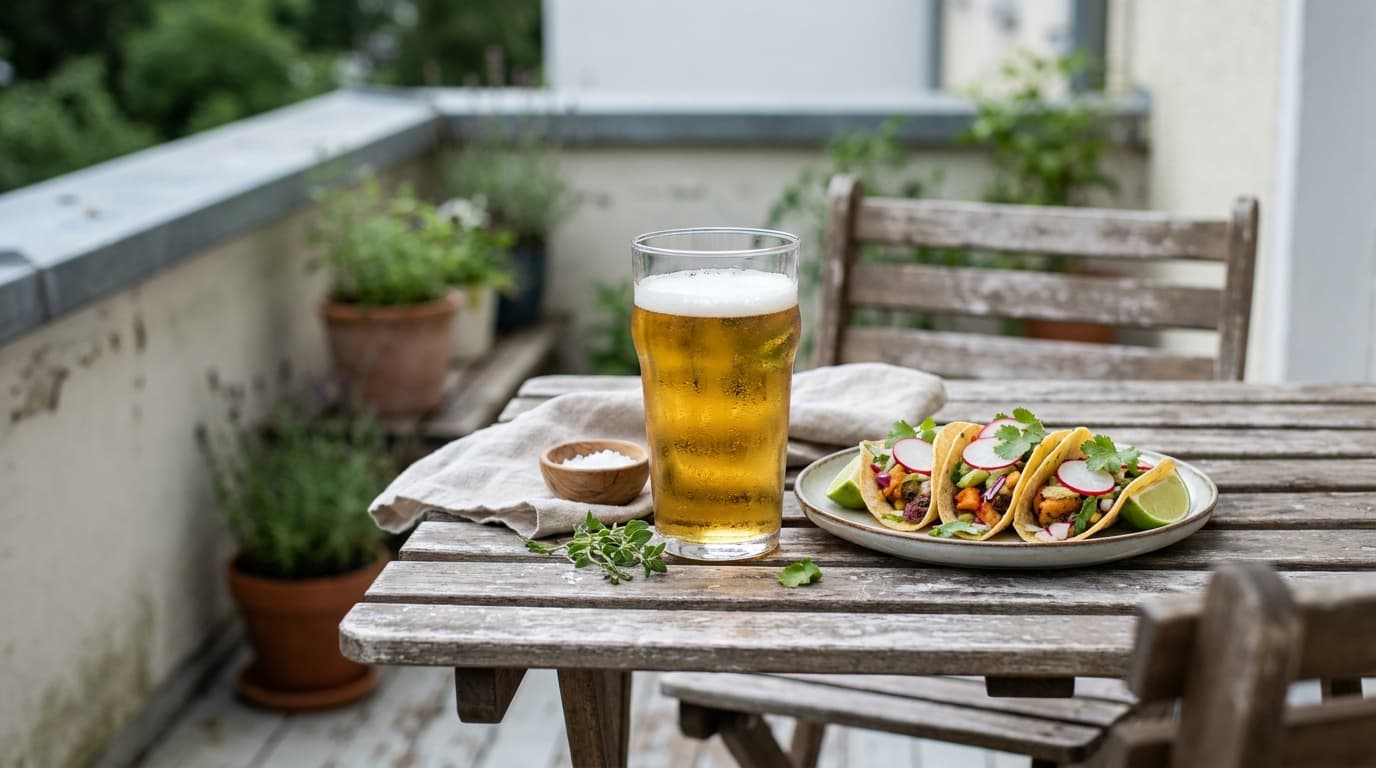
This one is floral and light, with elderflower meeting the ginger halfway. The result is a glass that tastes of exactly what you hope for in May: freshness without cloying sweetness, and a long finish that is almost a little herbal. It works just as well alongside a plate of spring rolls as it does with nothing at all – just the sun and a good chair.
Ingredients
- 4 cl fermented ginger shot
- 2 cl elderflower syrup (homemade or good store quality)
- Juice from ½ lime
- Top with Fever-Tree Elderflower Tonic Water
- Ice and a thin cucumber slice to garnish
Method
- Fill a tall glass generously with ice.
- Combine the ginger shot, elderflower syrup, and lime juice in the glass.
- Top carefully with the elderflower tonic and stir once.
- Garnish with a thin cucumber slice along the rim.
Fever-Tree Elderflower Tonic Water has a delicate floral aroma and a good bitterness that balances the sweetness of the syrup without taking over. The floral tonic style matches the elderflower perfectly and lifts the ginger's spice rather than dampening it.
Drink No. 2 – Sun-Kissed
For: a dinner with friends, tapas outside, a sober celebration
Here we move towards the warm and citrus-rich. The ginger shot meets freshly squeezed orange, and everything is lifted by a tonic with a distinct clementine character. It is a drink that works just as well as an aperitif as it does with food – try it with grilled halloumi or a simple pasta salad with lemon and herbs.
Ingredients
- 4 cl fermented ginger shot
- 3 cl freshly squeezed orange juice
- 1 cl agave syrup
- Top with Fever-Tree Spanish Clementine Tonic Water
- Ice and an orange slice
Method
- Fill a rocks glass or a tall glass with ice.
- Pour the ginger shot, orange juice, and agave syrup over the ice.
- Top with the Clementine Tonic and stir gently.
- Garnish with an orange slice and optionally a few mint leaves.
Fever-Tree Spanish Clementine Tonic Water is just sweet enough that you do not need much syrup – adjust to taste. It is the tension between the ginger's warmth and the clementine tonic's fruity bubbles that makes the drink. Simple, but surprisingly elegant.
Drink No. 3 – The Green One
For: a dinner drink, a match for grilled vegetables, a slightly more grown-up occasion
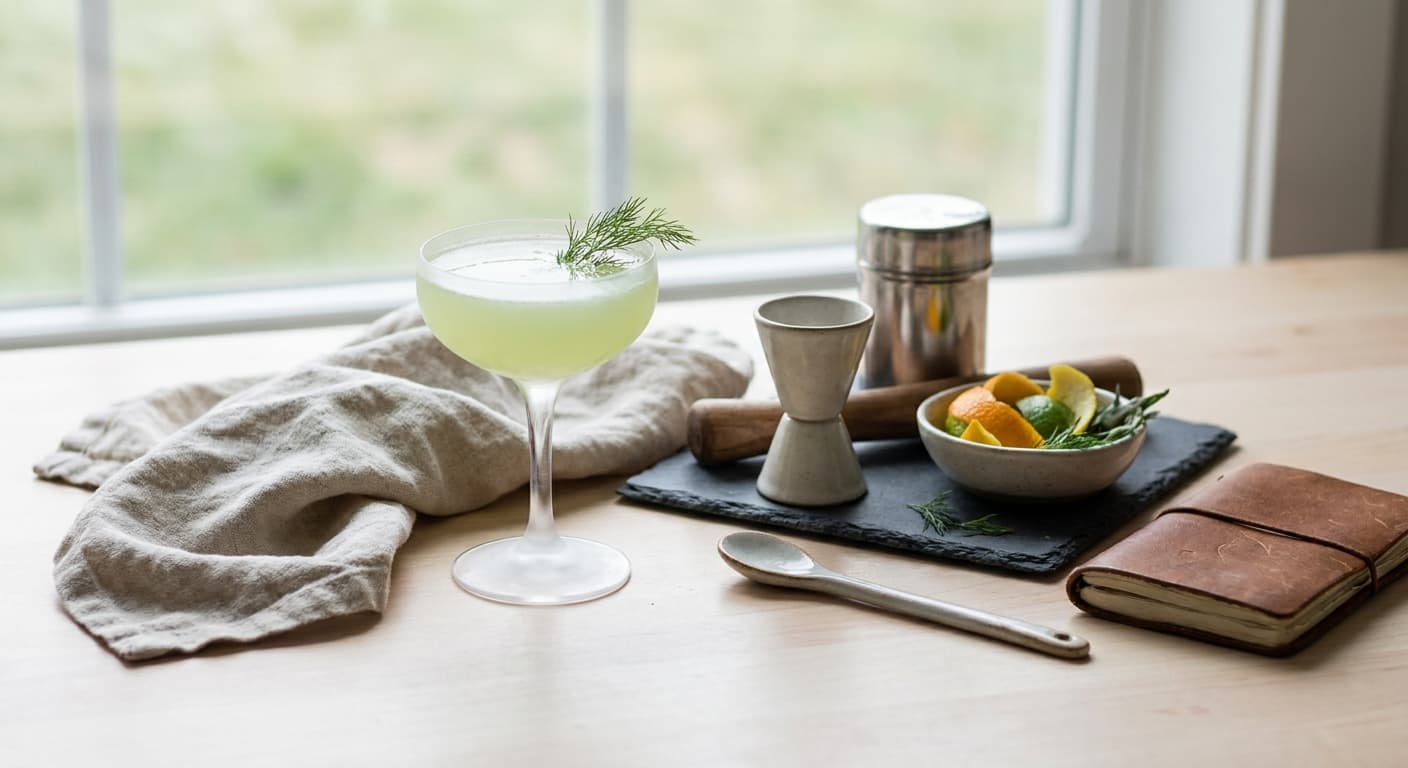
This is the more serious sibling of the other two drinks. We use the herbal aromas from a botanical spirit-free base to build something that actually resembles a simple gin and tonic – minus the alcohol, plus soul. If you have guests who normally drink gin, this is the drink you place in front of them without saying a word. Let them guess.
Ingredients
- 4 cl fermented ginger shot
- 3 cl ISH London Botanical Spirit
- 1 cl freshly squeezed lime juice
- Top with Fever-Tree Premium Indian Tonic Water
- Ice, a lime slice, and a sprig of rosemary
Method
- Fill a tall glass with ice.
- Pour the ISH spirit, ginger shot, and lime juice over the ice.
- Top with the Indian Tonic and stir once.
- Garnish with a lime slice and a small sprig of rosemary.
ISH London Botanical Spirit is made with a range of botanicals – including juniper, coriander, and angelica root – and has a freshness and depth that is rare in the non-alcoholic category. It pairs with the ginger's warmth surprisingly well; the two complement rather than compete with each other. Fever-Tree Premium Indian Tonic Water provides the classic, clean bitterness that holds the whole construction together.

Three Drinks, One Base – How to Think Further
The great thing about fermented ginger shot is that it scales. Make a double batch and you have enough for a whole weekend with friends – and you can experiment freely with what you top it with.
Some variations I like:
- Kombucha instead of tonic for even more yeast character and a slightly more complex tartness
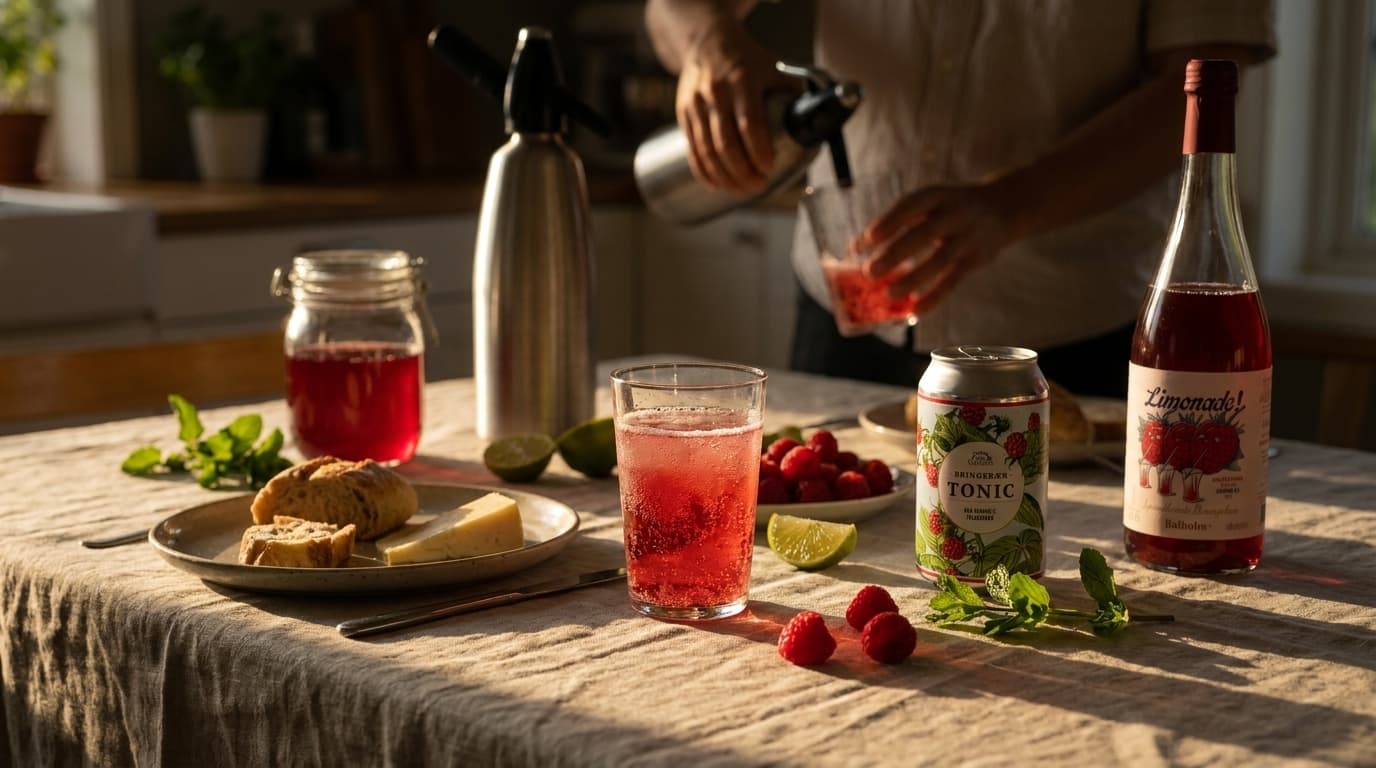
- Apple juice – Lien Gård Eplemost Rubinstep is a Norwegian favourite with good fruit depth and a distinct ruby-red colour that looks fantastic in the glass
- Sparkling water with herb infusion for the purest, most neutral version of all
And remember: this is a technique, not a recipe. Once you understand what the fermentation does – how it builds acidity, carbonation, and depth from nothing more than raw ingredient and time – you can adapt it to all kinds of occasions. From a non-alcoholic table during a celebration to a quiet weekend dinner where you actually want something in the glass that is worth talking about.
The ginger shot asks nothing of you except a little patience and a good piece of ginger root. Nature takes care of the rest – and that is exactly the kind of collaboration I like best in the kitchen.