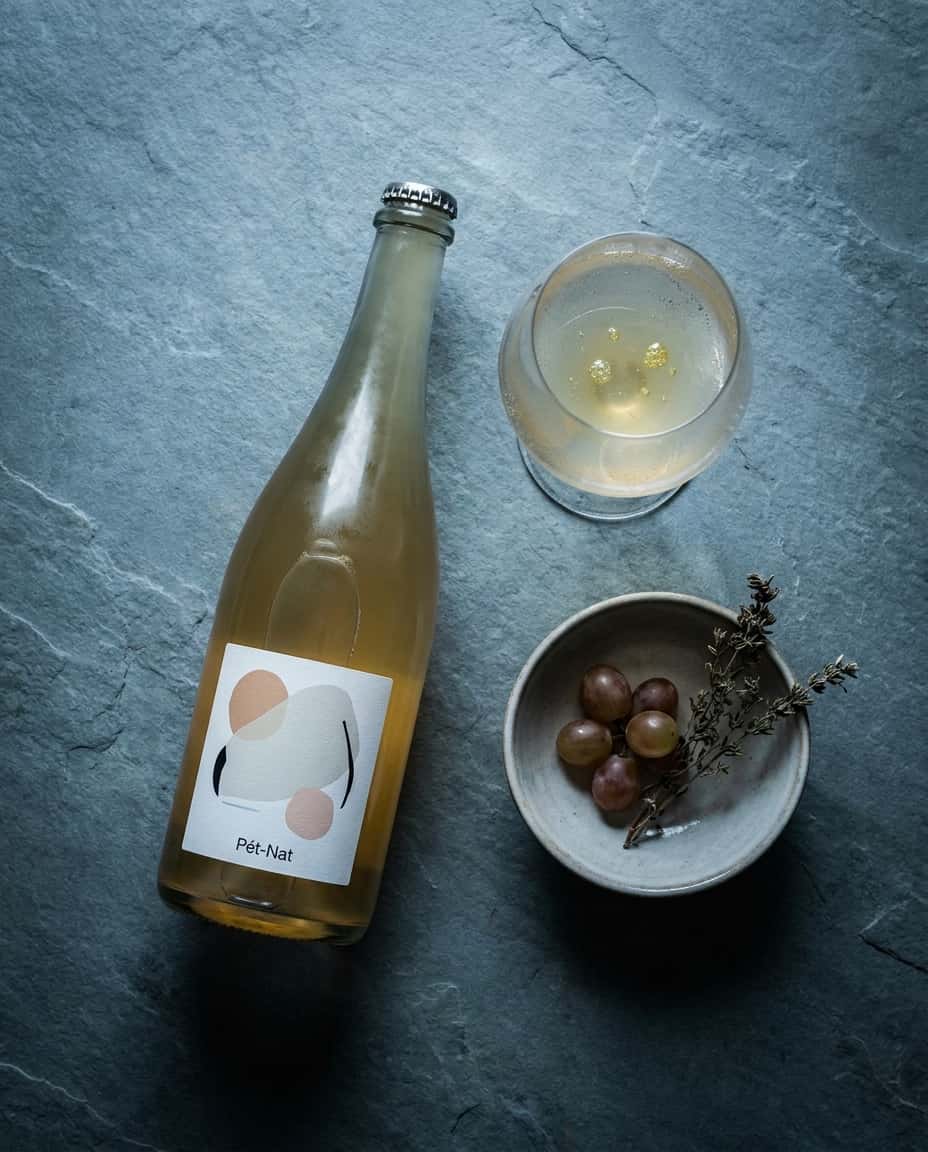

There is something slightly seductively unfinished about a bottle of pét-nat. The label is often a little crooked, the bubbles are soft and irregular, and the bottom of the glass can offer a cloud of yeast sediment that reminds you this is a living product. And that is precisely the point.
Pétillant naturel – or just pét-nat, as nobody can be bothered to say in full anymore – is perhaps the oldest form of sparkling wine in the world. Long before Dom Pérignon allegedly "discovered" the Champagne method, French winemakers were filling bottles with partially fermented must and letting nature do the rest. The result is a wine with moderate bubble pressure, low alcohol content and a freshness that feels made for spring.
What exactly is méthode ancestrale?
To understand pét-nat you need to know one term: méthode ancestrale, or the ancestral method. Here the winemaker stops fermentation at a specific point – while there is still natural sugar left in the wine – and bottles it. Fermentation continues inside the sealed bottle, CO₂ builds up, and the result is bubbles formed by a single fermentation process.
This differs fundamentally from the Champagne method (méthode traditionnelle), where a finished wine has sugar and yeast added for a second fermentation in the bottle. Pét-nat is therefore simpler, more direct – and produces a wine with lower pressure, more sweetness and a more rustic character.
Most pét-nats have between 1.5 and 2.5 bar of pressure – roughly half that of a Champagne. The bubbles are fine and creamy, and they disappear more quickly in the glass. It is more "breath" than "explosion".
Hazy is not a flaw
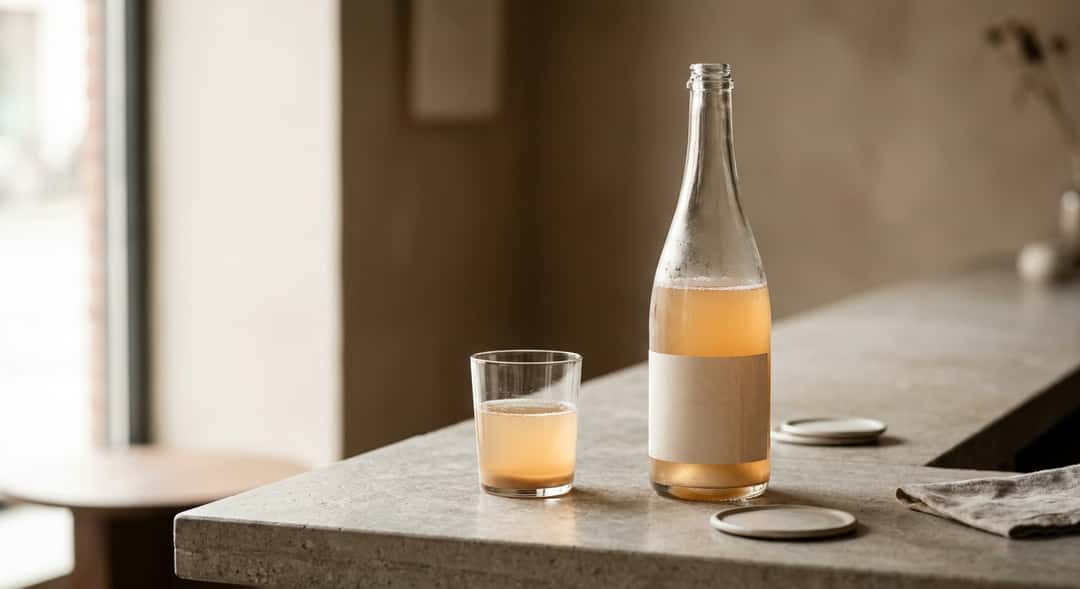
One of the most common misconceptions about pét-nat is that its hazy appearance is a sign of poor quality. On the contrary: it is proof that the wine has not been filtered away from its natural yeast sediment (lies). These residues – dead yeast cells that have completed their job – add body, depth and a characteristic earthy or bread-like tone.
Some producers choose to disgorge the bottles, meaning they remove the sediment by freezing the neck of the bottle and ejecting the plug of yeast sediment. This gives a clearer colour and a cleaner taste. Others leave the sediment in place and recommend that you gently roll the bottle before opening it – or let the sediment settle and pour off the clear wine from the top, depending on your preference. Both approaches are valid, and neither is "wrong".
Styles, grape varieties and regions
Pét-nat is made today all over the world, from virtually every grape variety. But some patterns are worth knowing:
France is the home. The Loire Valley is the historic centre, and it is from here that many of the most elegant examples come. Chenin blanc dominates, with its natural acidity and honeyed fruit. Languedoc has also found its voice in the style – more sun-ripened and fruity, but still with the characteristic lightness.
Italy produces exciting pét-nats from Lambrusco grapes in Emilia-Romagna – more structured and tannic than their French cousins, and with a deep, dark fruitiness that pairs surprisingly well with pizza and charcuterie.
Australia has embraced the style with both arms, particularly in regions such as McLaren Vale and Clare Valley. The result tends to be more tropical and fruity, with a generosity that sets it apart from the European versions.
Portugal offers fresh, mineral-driven variants made from Atlantic-influenced grape varieties such as Loureiro and Arinto – wines that almost taste of sea air and citrus peel.
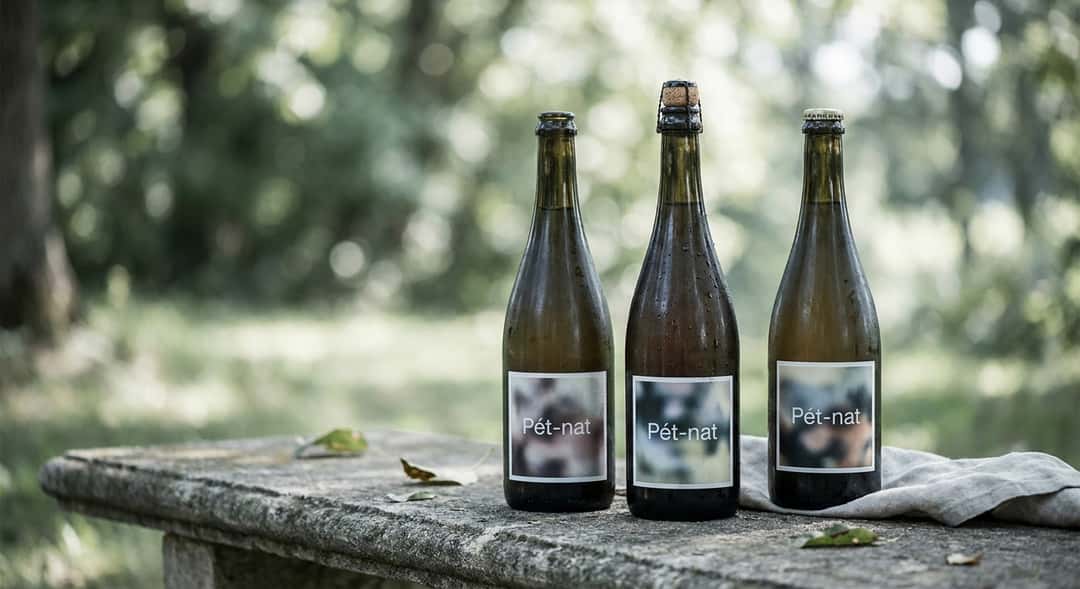
In terms of style, pét-nat ranges from bone-dry and mineral white wines to sweet, dark red wines – and everything in between. Rosé variants have become enormously popular, often with a fresh, strawberry-forward fruitiness and a hint of yeast.
What does it taste like?
It is difficult to generalise, but some flavour elements recur. Common to most is fresh acidity, low alcohol (often 11–12%) and a complexity that comes from the unfiltered character. You will typically encounter notes of:
- Fermented apple or pear (white variants)
- Red berries and pomegranate juice (rosé and red)
- Citrus peel and spring flowers
- Bread, yeast or a light, earthy minerality
- Occasionally a faint, natural residual sweetness that balances the acidity
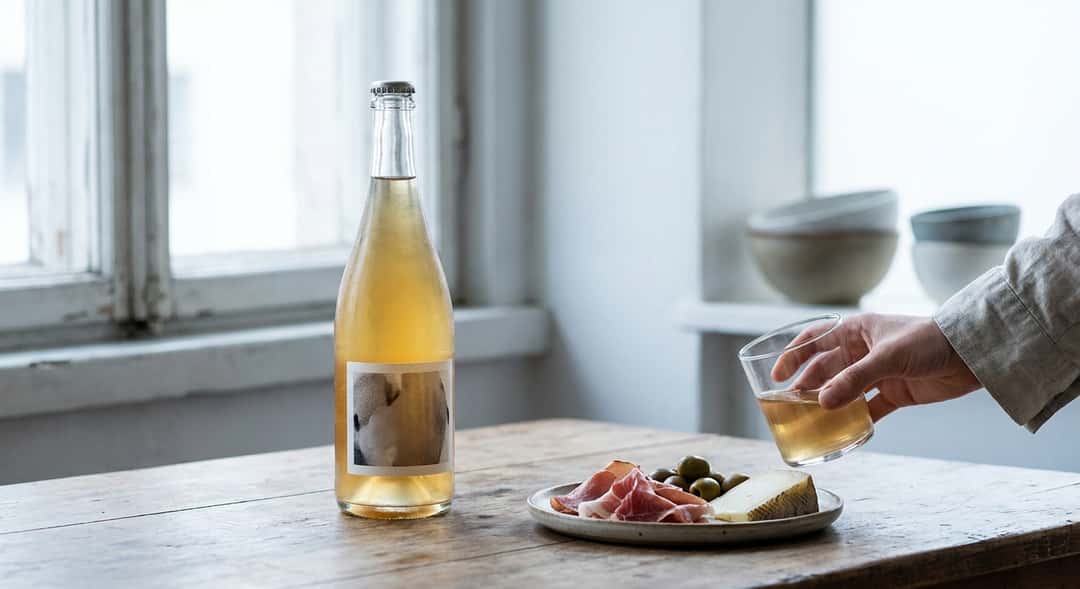
The low alcohol makes pét-nat an ideal aperitif, but it works just as well throughout a lighter meal. Think grilled vegetables, charcuterie, fresh cheeses or sushi. For a spring dinner with friends, it is hard to find anything more fitting.
Three bottles to explore now
Want to dive into the style? Here are some natural starting points:
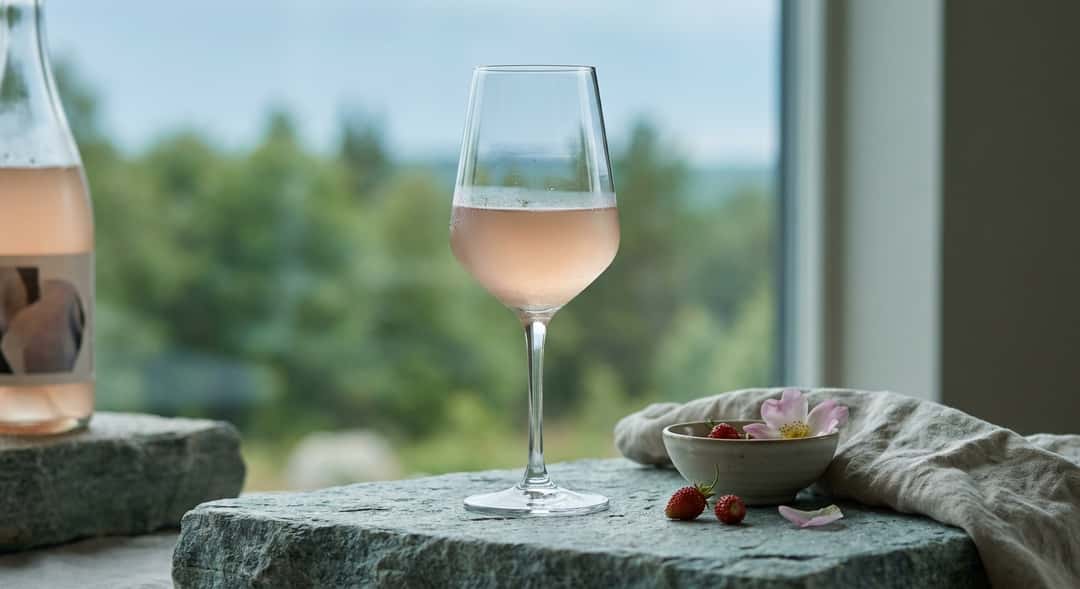
Villa Noria Les Infusions Pét-Nat Rosé Gris from Languedoc is a beguiling example of a southern French interpretation. Light and fruity with notes of strawberry, wild rose and fresh acidity – and at 11% alcohol it is a perfect candidate for a long Saturday afternoon in the sun. Producer Villa Noria is known for working with local grape varieties in a gentle way, and that comes through in the glass.
Bruno Dubois Pchiift Pétillant Naturel Extra Brut is a fine example of the Loire tradition – dry, nerve-tinglingly fresh and with the kind of minerality that makes you want another sip immediately. The name is a delightful onomatopoeic nod to the sound of a gently opened cork, and the wine lives up to the promise: light, lively and with a yeasty depth that makes it more interesting than it appears.
Qta. da Lixa Morgado da Vila Pét-Nat 2023 from the Vinho Verde region in Portugal shows what Atlantic influence does to a pét-nat: saline minerality, green acidity and a freshness that almost tastes of sea air. Quinta da Lixa is one of the region's more tradition-conscious producers, and this bottle is an exciting discovery for anyone who wants to explore beyond the classic French regions.
Some practical tips
Serve cold. Pét-nat thrives at 7–9 degrees Celsius. Too warm, and the delicate bubbles disappear quickly – and the fresh acidity that is the whole point goes flat.
Open carefully. The pressure is lower than Champagne, but the sediment can make the opening process a little unpredictable. Hold the bottle at a 45-degree angle and let the cork come out slowly. Have a glass ready.
Drink relatively quickly. Pét-nat is not made for long-term storage. Most producers recommend drinking within 1–2 years of harvest. Freshness is the whole point, and it fades over time.
Don't let the haziness put you off. A little cloudiness in the glass is part of the experience – and a conversation topic in itself. Tell your guests what they are looking at, and half the job as a host is already done.
Pét-nat is, more than any other wine style, an argument that simplicity and naturalness can bring more joy than technical perfection. At a time when many are seeking authenticity in the glass – and in life more broadly – it is perhaps not so surprising that these unfiltered, living bubbles have found their audience, from natural wine bars in Paris to dinner parties in Oslo. Try one bottle on a bright spring evening, and the chances are you will understand the hype on the very first sip.