
Petite Arvine – The Alps' Wildest White Wine
There are grape varieties that behave nicely and predictably, and then there is Petite Arvine. This wild, headstrong Swiss white wine grape from Valais does exactly what it wants – and the result is one of Europe's most distinctive white wine experiences. Mineral to the point of being almost dizzying. Salty on the finish. Lush, aromatic, and with an acidity that makes your mouth water. Spring is the perfect season to discover it.
What Exactly Is Petite Arvine?
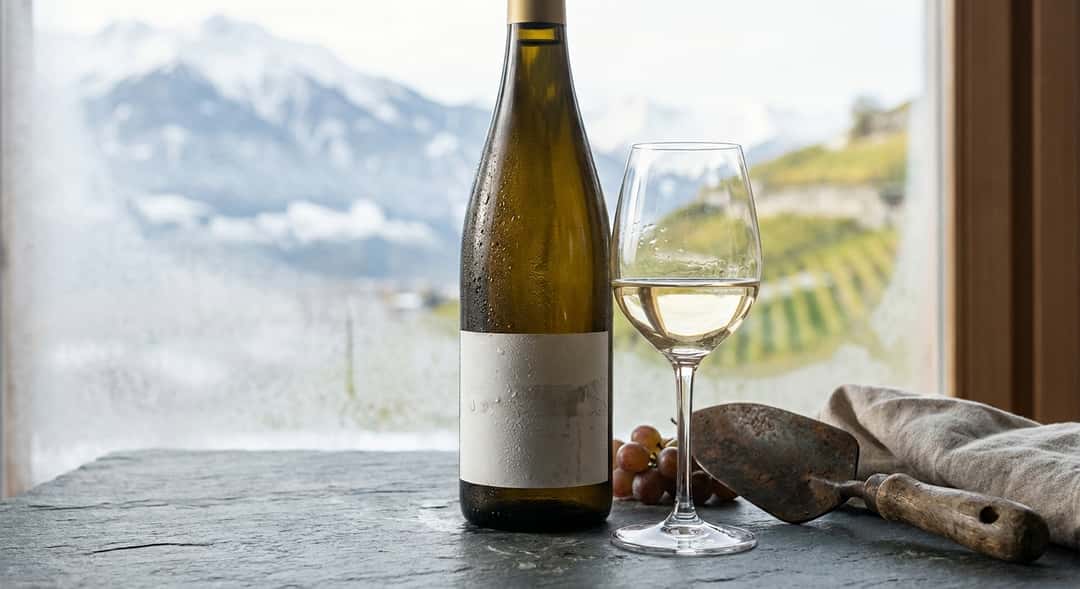
Petite Arvine is an autochthonous grape variety – that is, a variety that is entirely native to its region of origin. It comes from the canton of Valais in southwestern Switzerland, a region that cuts between mighty Alpine ranges and creates one of Europe's most dramatic wine landscapes. The terraces literally hang on mountainsides, often at gradients of 45 degrees or more, and are cultivated almost exclusively by hand. It is physically demanding work, and it requires producers with a genuine love for the grape variety.
The grape variety is ancient – there are references to it from the 1600s – yet it remains virtually unknown outside Switzerland and a small circle of wine insiders. That is part of its magic: you can serve it to people who have been drinking wine for decades, and they will be surprised.
The Soil That Shapes Everything
Part of what makes Petite Arvine so fascinating is the interplay between grape variety and soil. Valais is one of Europe's driest regions – the rain shadow from the Alps is total, and the sun shines intensely through long summer days. The soil varies from granite and slate to loess and moraine, depending on which part of the valley you are in. This geological variation leaves clear fingerprints in the glass.
What remains constant, regardless of terroir, is the grape variety's signature: a distinct minerality with a salty note at the finish that recalls sea salt or limestone dampened by rain. Wine experts have long debated whether this is a geological expression or something genetic in the grape variety itself. The answer is probably both.
The acidity level in Petite Arvine is naturally high, which gives the wines a long lifespan and makes them excellent candidates for cellaring. The aromas range from white flowers and citrus zest to tropical fruit – passion fruit, lychee, and gooseberry – with an herbal and almost mineral depth that underpins everything.
Two Bottles That Show the Grape's Range
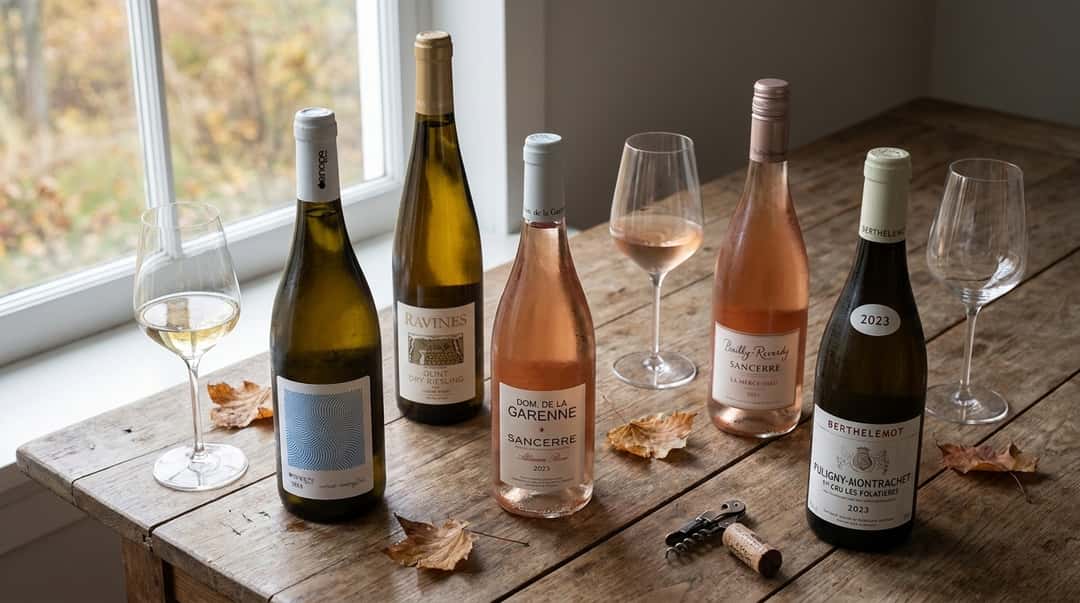
In the available selection there are two examples that illustrate the breadth of what Petite Arvine can be – and that are both worth getting to know.
Cornulus Clos de Mangold Petite Arvine 2024 comes from a single-vineyard expression in Valais. Clos de Mangold is an enclosed, warm clay-slate terroir that gives the grape variety extra concentration. Here the aromas are lush and almost exotic – mango, passion fruit, and white peach – while the palate is taut and precisely structured by the grape variety's characteristic acidity. The finish is long with the classic salty note that Petite Arvine is known for. A wine that says something clear about its origins.
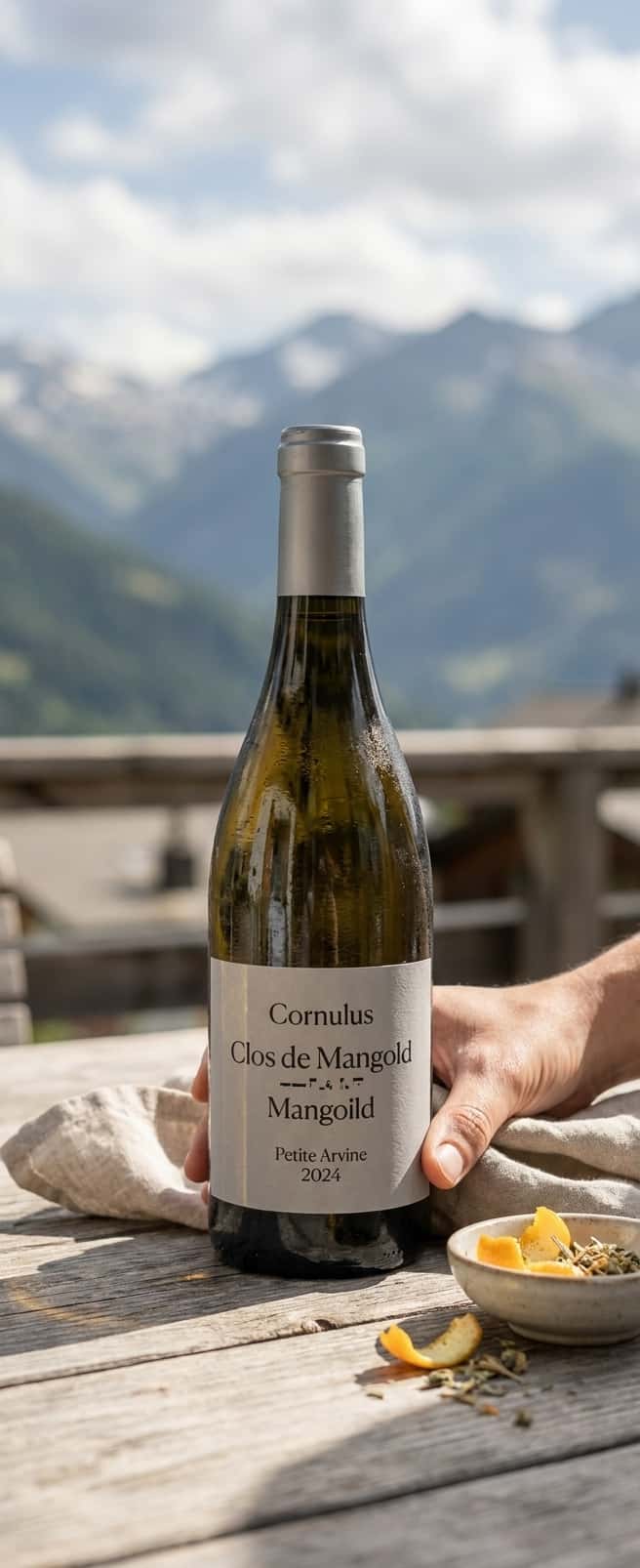
Dom. Dussex Petite Arvine 2022 is a slightly more settled expression – from an older vintage that has had time to integrate acidity and fruit. Here the flowers are more prominent, rose petals and elderflower, with a quite pure and almost knife-sharp minerality dominating the palate. It is a wine that underscores that Petite Arvine is not just aromatic spectacle – it is precision and elegance.
Both wines are dry, but the natural fruit sweetness of the grape variety means they feel fuller-bodied than the acidity level would suggest. That is one of Petite Arvine's great artful qualities: balancing threads of tension that normally pull in different directions.
The Salty Finish – What Is Actually Happening?
The saline note is a tasting description, not evidence that minerals from the bedrock can be tasted directly in the wine.
This means Petite Arvine behaves differently in the mouth than most other white wines: the salty finish stimulates the salivary glands and further increases the appetite. That is why it works so remarkably well as an aperitif – it makes you hungry and eager for what is to come, without overwhelming.
Spring's Natural Partner
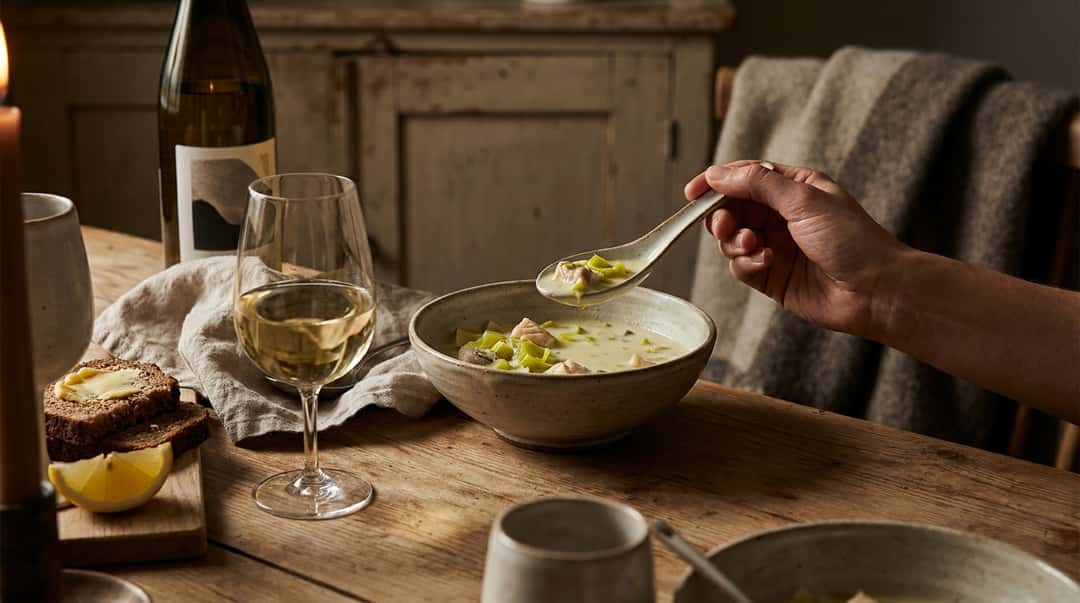
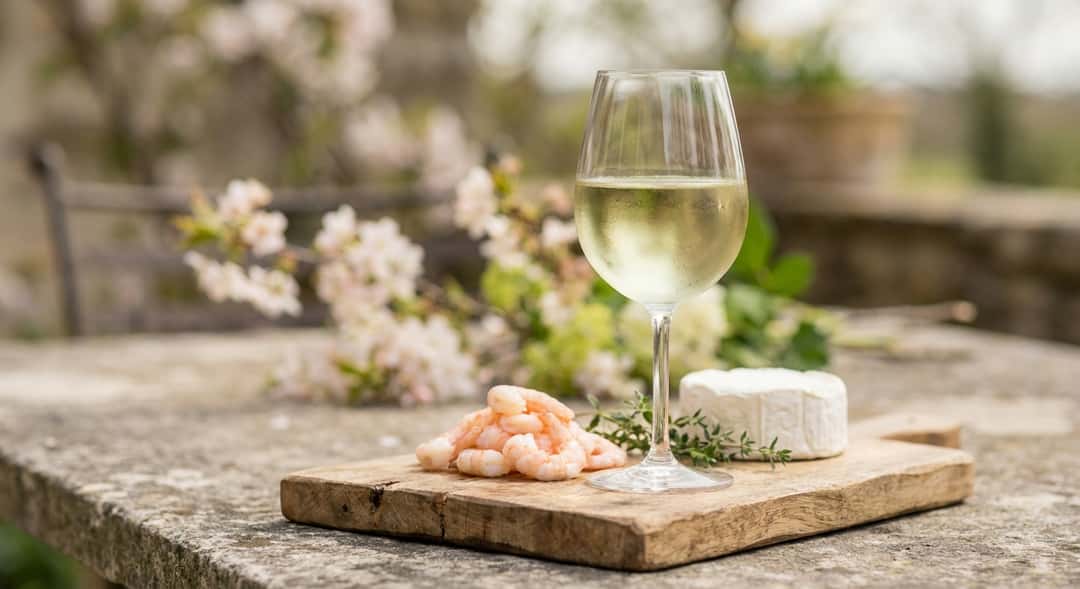
There is something about Petite Arvine and spring's food profile that just clicks. Think green asparagus grilled with a little lemon juice and flaky salt. Cured salmon with dill and radish. A small bowl of fresh chèvre and honey. Prawns with aioli and toasted bread in the evening sun. All of this meets the wine halfway: the acidity cuts through the fat, the minerality mirrors the salty flavours, and the tropical fruit draws parallels to the fresh herbs.
Petite Arvine is also a wine that handles shellfish better than most – the salt-marine character makes it a natural companion to oysters, scallops, and langoustine in a way that Chablis and Muscadet usually get the credit for.
Why Don't More People Know This Grape Variety?
Switzerland is not exactly a wine country that shouts about itself. The country exports just under two percent of its total wine production – the rest the Swiss drink themselves. That means Petite Arvine rarely reaches international shelves, and when it does, prices tend to be higher than for comparable French or Italian alternatives, because craftsmanship on steep Alpine vineyards comes at a cost.
That is a shame, because the grape variety deserves a wider audience. The closest comparison might be Grüner Veltliner from Austria in its peppery, mineral elegance, or a stern Chablis Premier Cru – but Petite Arvine is still itself. No other grape variety gives you that combination of tropical aroma and Alpine minerality at once.
And it is precisely that combination that makes the grape variety so exciting to follow over time. Producers in Valais are constantly experimenting with different altitudes and exposures – some vineyards lie above 700 metres above sea level – and the results vary fascinatingly from producer to producer. It is a wine landscape in development, and it is a joy to follow along.
How to Enjoy It at Its Best
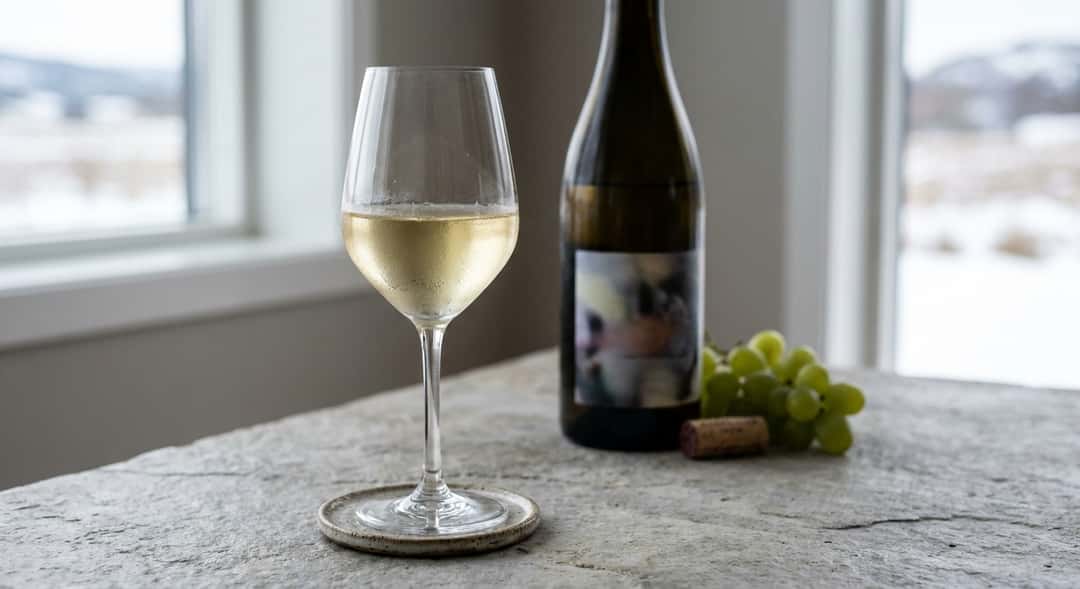
Serve Petite Arvine chilled, but not ice cold. Around 10–12 degrees is ideal – too cold a temperature kills the aromas and drowns out the delicate minerality. A medium-sized white wine glass with a slight tulip shape is perfect; it gathers the aromas without concentrating the acidity too much.
If you want to explore the grape variety's aging potential, it is worth knowing that good examples can develop nicely over three to six years. The acidity acts as a natural preservative, and with time honeyed and waxy nuances emerge that give the wine an entirely different dimension.
And do not leave it sitting long in the glass without drinking – it is not a wine for slow sips alone. It wants company, food, and a good conversation. Like all the finest alpinists it grows up among.
Petite Arvine may not be the easiest wine to find, but it is definitely worth the hunt. And this spring, with all the green, fresh flavours waiting in kitchens and on terraces – there is hardly a better time to let yourself be seduced by the Alps' wildest white wine.