
Some drinks were never meant to survive. Piquette is one of them – a makeshift wine made from what was left after the grapes were pressed, topped up with water and set to ferment one more time. For centuries this was the everyday drink of farmers and vineyard workers, a kind of vineyard leftover dish. And then, almost without warning, it turns up again at natural wine cafés from Paris to Portland.
But let's start from the beginning.
What the vineyard throws away can become something far more interesting than what ends up in a fine bottle.— INGRID IMPORTØR
What exactly is piquette?
When the grapes have been pressed – whether for white wine or red wine – what remains is a dry, compact mass of skins, seeds, and stems. This mass is known in professional parlance as marc (in French) or vinasse in some dialects. In classical wine production, this is often distilled into marc eau-de-vie or grappa. But historically, particularly in France and Italy, most small producers had neither the equipment nor the means for distillation.
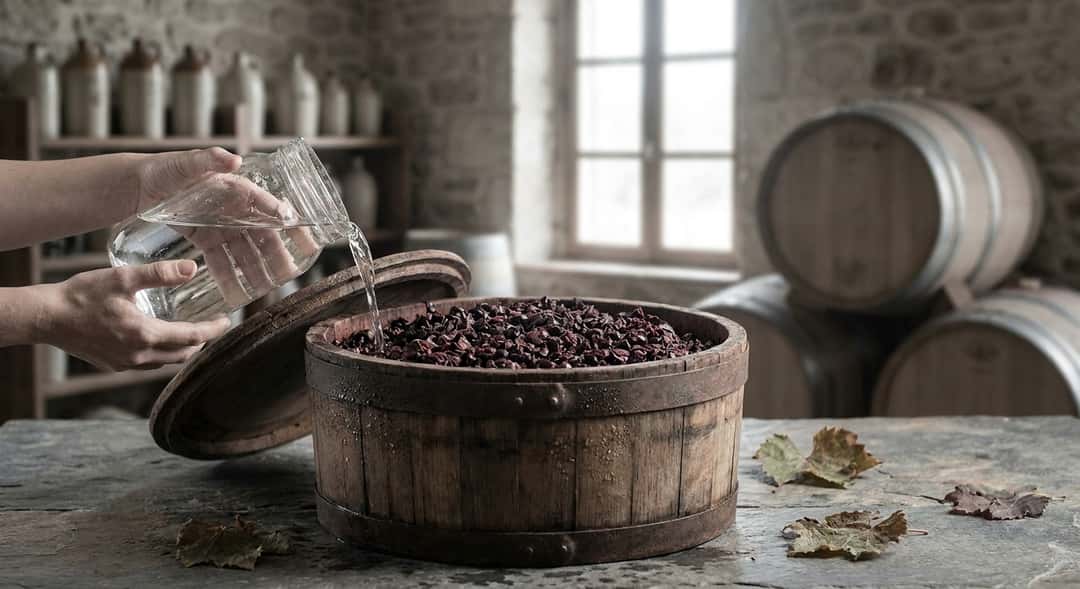
The solution was simple: pour water over the press remnants, let it sit for a few days, and let the remaining yeast residues and sugar do the work. The result is a drink with low alcohol – often between 5 and 8 percent – with pronounced acidity, earthy notes, and a raw, uncombed character that no one would mistake for Burgundy.
Why does it taste so different?
Here lies the technical core: in ordinary wine production it is grape must – that is, the juice – that ferments. In piquette it is the water that draws out the last remnants of sugar, fruit, and tannins from the already-pressed skins. This means the taste profile is fundamentally different.
You get:
- Lower alcohol – the sugar is partly exhausted
- Fresh acidity – the level varies with ingredients and production
- Tannin structure without fruit richness – especially in red versions
- Earthy, herbal, and sometimes faintly bitter notes
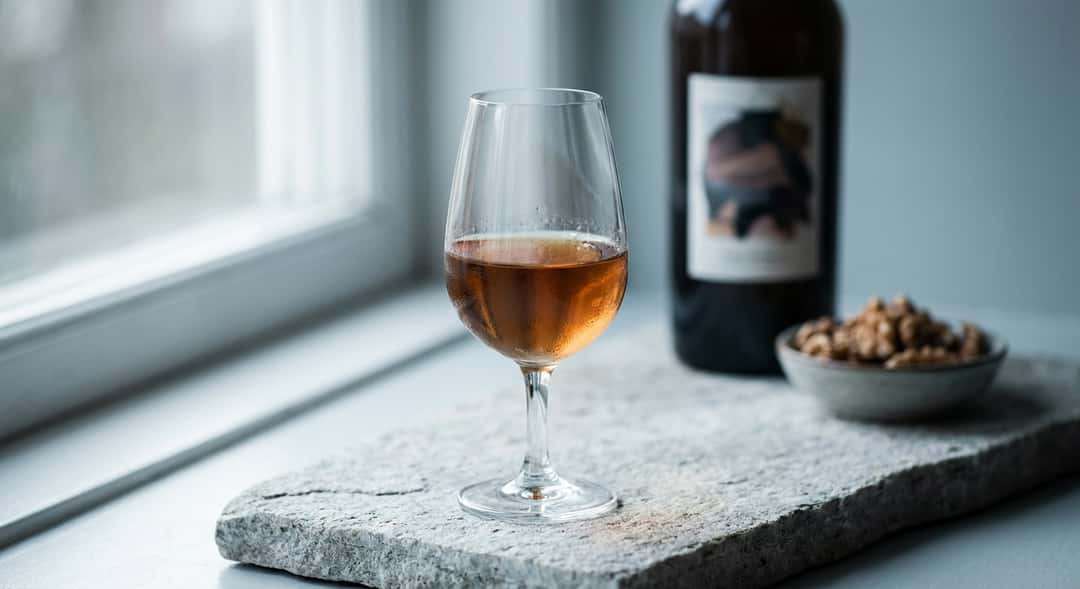
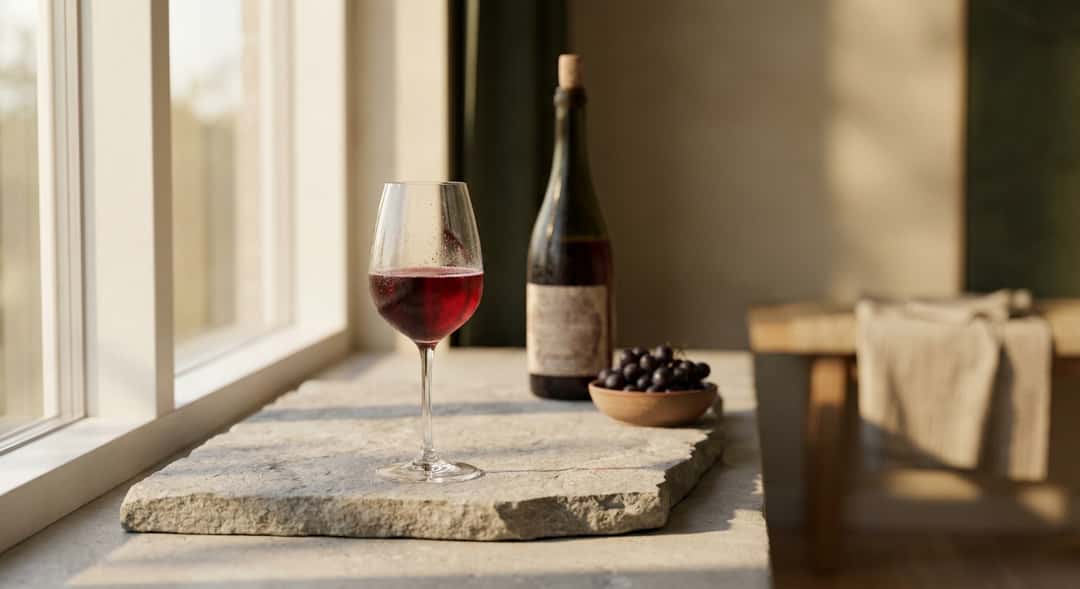
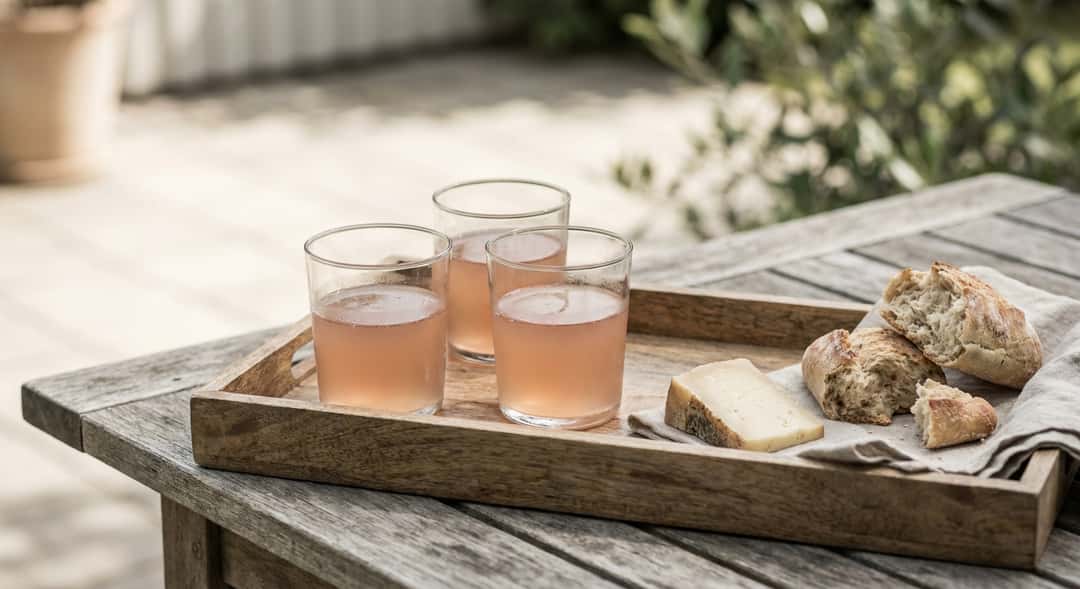
- A light, almost watery body that can resemble a very pale rosé or a faint red
In other words, it is not a wine that competes with traditional wine on its own terms. And that is precisely where natural wine sympathisers see the value.
The natural wine movement's new darling
Natural wine culture has always had a heart for the imperfect, the authentic, and the things that cannot be mass-produced. Piquette hits all of these points at once. It is hyper-local – it can only be made where the grapes have already been pressed. It is seasonal – you cannot store marc for years and expect a good result. And it is by its very nature a by-product, a form of beverage expression for the circular economy long before that term existed.
To put piquette in context, think of it as a relative of other low-alcohol newcomers: pét-nat, fresh and tart natural wine, and even kombucha hybrids. All share the same underlying philosophy – that a drink does not need to be perfect to be interesting. It is a thought that resonates strongly at a time when we are asking ever more questions about what actually happens between vineyard and glass.
Is it worth trying?
That depends entirely on what you expect. If you are looking for body, complexity, and ageing potential, the answer is no. Piquette is not built for that. But if you are looking for something light, fresh, and genuinely different for a warm summer's day – perhaps an impromptu lunch picnic in the park, or as an aperitif while the grill heats up – then piquette has a charm all its own.
It pairs particularly well with:
- Charcuterie and tinned sardines – the saltiness lifts the modest fruit profile
- Fresh goat's cheese – acidity meets acidity, and it works surprisingly well
- Simple vegetable dishes – courgette, tomatoes, grilled peppers
- Informal drinking occasions where no one expects to be impressed
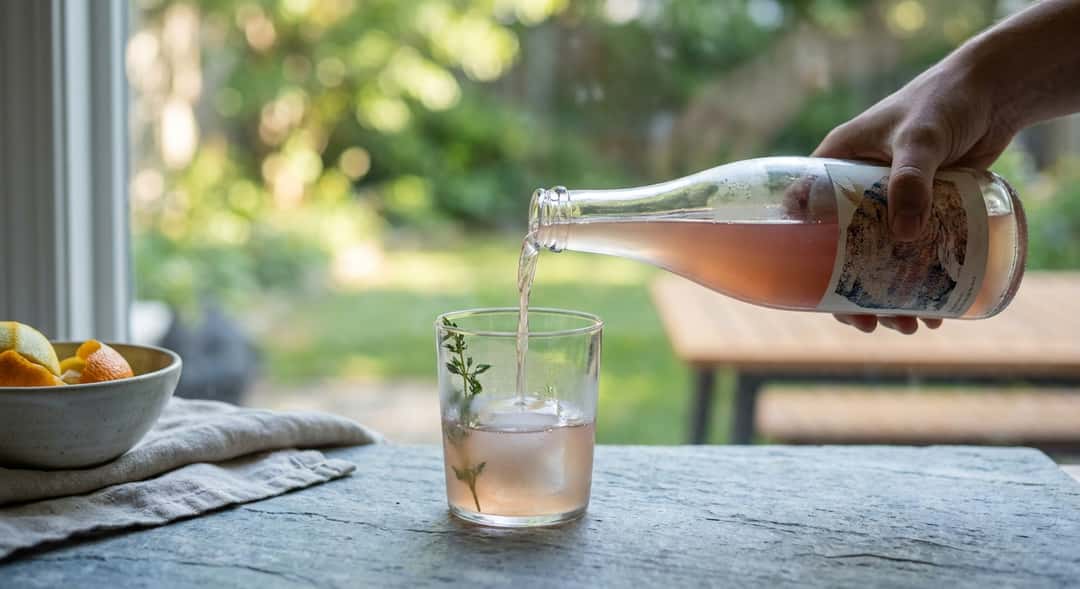
A practical note: because piquette is a living product with minimal intervention, it should be drunk young and cold. It is not a bottle you put away until next summer. Serve it well chilled, preferably in a simple clear glass with an ice cube – and let it do what it does well.
Availability in Norway
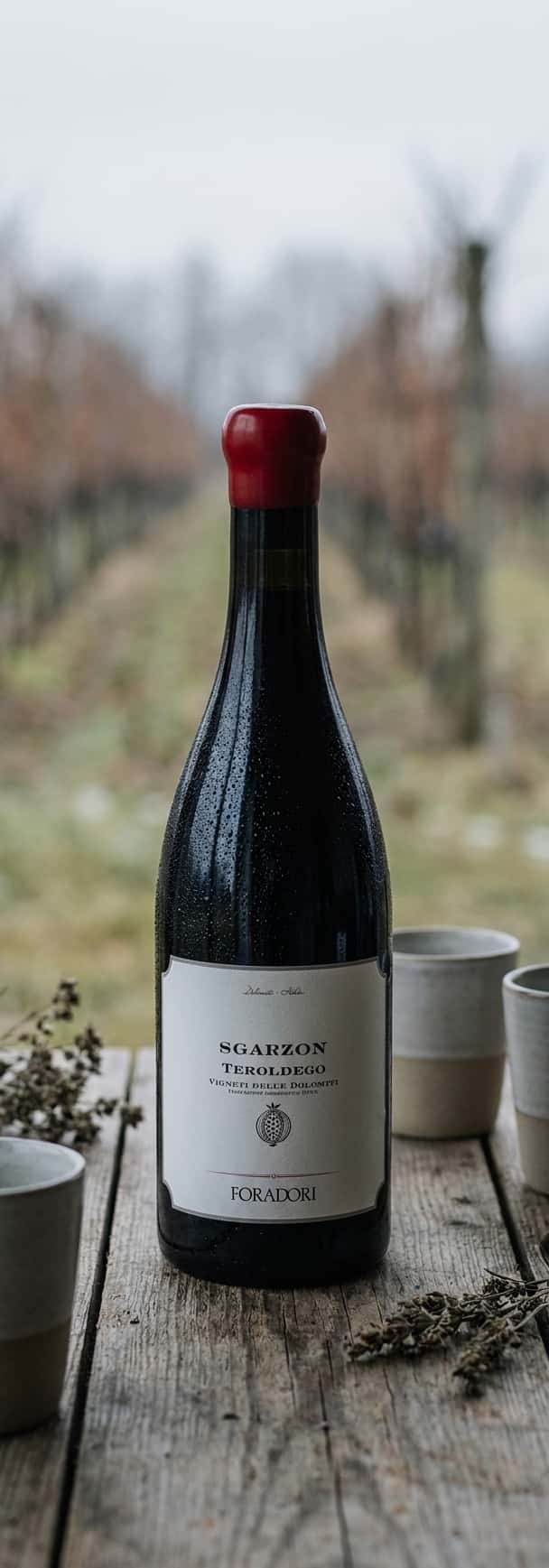
But the parallel is worth drawing: if you enjoy the lighter, more graceful side of natural wine, piquette is a logical next curiosity. A good reference point is Foradori Teroldego Sgarzon 2019 from Trentino – a wine made from the local teroldego grape variety in a biodynamic manner by Elisabeth Foradori, one of Italy's most influential natural wine pioneers. It has the herbal, light tannins and the earthy elegance that recalls what piquette tries to express, but with the depth and structure that only a proper wine production can provide. Both represent a philosophy in which lightness and authenticity weigh more heavily than impressive power.
A drink with a story to tell
Piquette is not the wine that saves the dinner. It is the drink – for it perhaps deserves its own category – that reminds you that the best things sometimes come from what almost got thrown away. At a time when we are more preoccupied than ever with what happens in the vineyard from root to bottle, from soil to label, it feels like a story worth telling.
And perhaps that is precisely what makes piquette so fascinating: it has no ambitions to impress. It simply is what it is – honest, simple, and rooted. In a world full of carefully constructed wine experiences, there is something liberating about that.