
There is something almost unfair about Slovenia's position on the wine map. The country borders Italy to the west, Austria to the north, and Croatia to the south – and yet it seems to fall between the cracks when Norwegian wine lovers decide what to put in their glass. It is time to do something about that injustice.
Because Slovenia is not, in fact, a small, immature wine country. Grapes have been cultivated here since Roman times, and the best producers in the regions of Brda and the Vipava Valley today operate at a level of precision that would make even the most tight-lipped Burgundians raise an eyebrow. While the rest of Europe has been busy marketing itself, the Slovenians have been quietly working to perfect their craft.
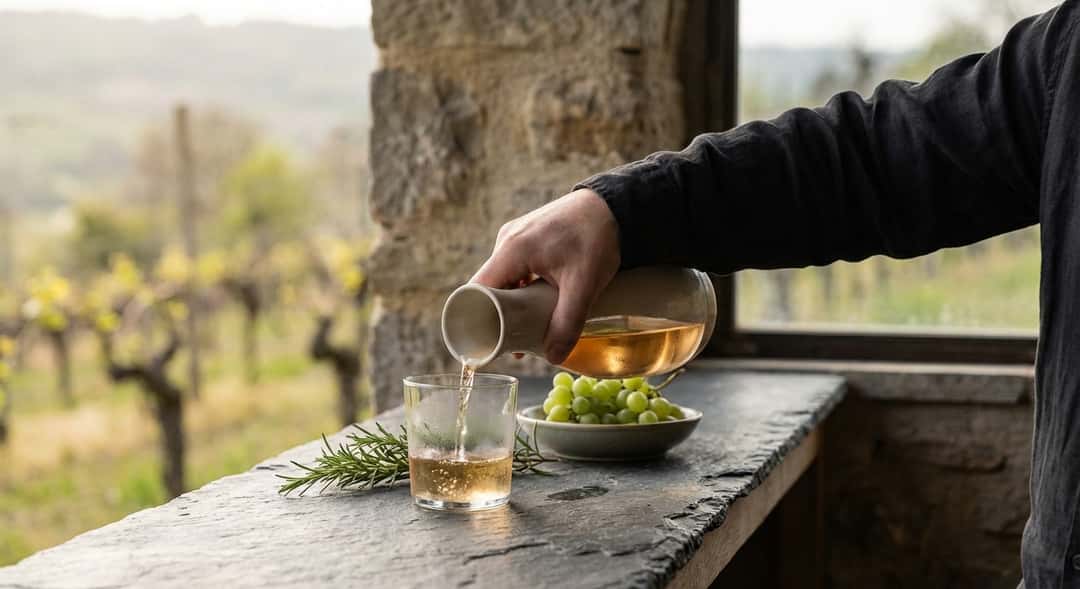
Brda – Slovenia's Answer to Collio
Brda lies on the Slovenian–Italian border and continues as Collio on the Italian side. The areas share a rolling landscape and much wine tradition, with variation between individual vineyards.
What makes Brda so exciting is the combination of calcium-rich, blue-grey flysch soil (locally called opoka) and alpine winds that keep the summers cool. The result is white wines with brilliant acidity, a floral character, and a minerality unlike anything else. Rebula – the local hero – yields wines with citrus peel, white flowers, and a dry, slightly nutty finish that pairs perfectly with Norwegian spring vegetables and fresh white fish.
Many of the best producers in Brda have worked for generations on the same slopes, and it shows. It is not fashion or trends that drive them – it is pride in the terroir. When you open a bottle of Rebula from Brda, you get more than just a wine. You get a small piece of that pride.
The Vipava Valley – Wind, Stone, and Freshness
Further east lies the Vipava Valley, known for its strong bora wind. Wind and local conditions shape the vineyards, but organic farming still requires deliberate choices and work from the grower.
Many grape varieties thrive here: Zelen and Pinela are indigenous varieties you will find almost nowhere else in the world, while Chardonnay, Sauvignon Blanc, and Pinot Gris grow with a freshness and lightness that is typical of higher-altitude terroir. Wines from Vipava tend to be a little lighter in style than those from Brda – more linear, with green fruit and herbs.
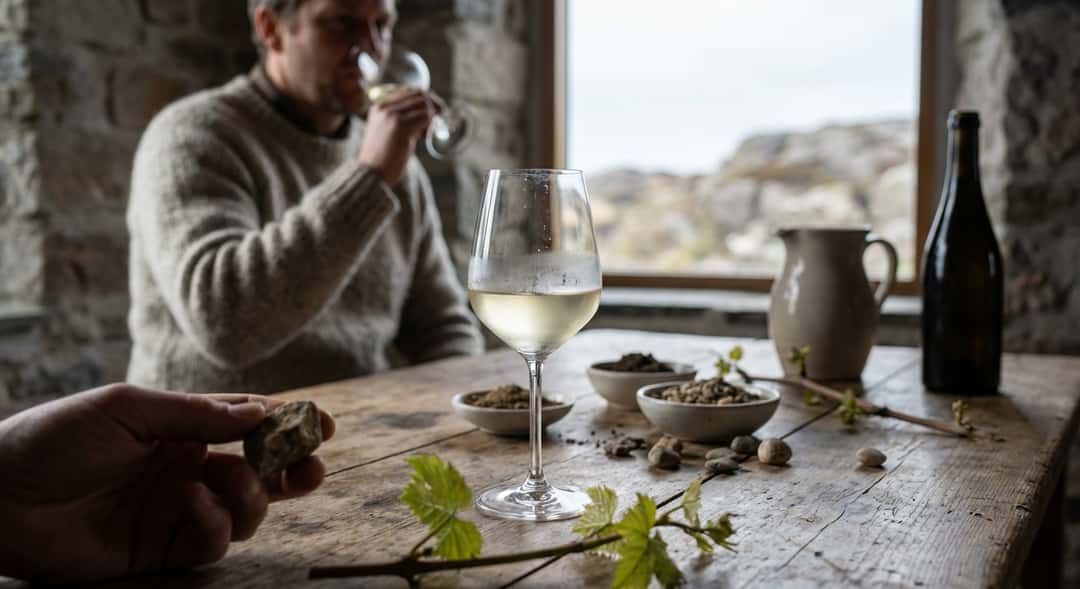
It is this style that makes them so ideal for spring food. Think asparagus, pea shoots, lightly salted salmon, and new potatoes with an herb oil dressing. They need nothing more than a chilled bottle from Vipava to become a proper meal.
Five Styles to Look Out For
Here are five Slovenian styles and grape varieties to look for. Use the region and grape as search terms and check the selection at your local retailer.
Rebula from Brda – Rebula gives you something between Loire Chenin and northern Rhône white: firmness, citrus peel, bright minerality. Perfect with scallops or ricotta toast with lemon. The producers Kabaj, Movia, and Marjan Simčič are names to remember.
Pinela from Vipava – A rarity outside Slovenia, but worth hunting down. Pinela is tart, almost sharp in its youth, with apple blossom and herbs. A little like a wild version of Grüner Veltliner. It needs food – try it with grilled white fish and lemongrass.
Zelen from Vipava – The name simply means green, and the flavour lives up to it: green herbs, white pepper, and a dense, almost juicy texture. Excellent with gratinated vegetables or a light vegetable soup. Zelen has a personality that cannot be ignored.
Chardonnay from Brda – Not just any Chardonnay, but one fermented on local yeast, perhaps lightly barrel-aged, and carrying terroir character rather than oak and butter. Fresh, with yellow apples and almonds. This is Chardonnay that reminds you why the grape variety became world-famous in the first place.
Sauvignon Blanc from Vipava – Slovenia produces some remarkably precise Sauvignon Blancs that are more Loire than Marlborough: herbs, lemon acidity, and a hint of smoke. Try it with fresh goat's cheese and flatbread, or with a simple salad and lemon vinaigrette.
The People Behind the Bottles
What strikes you when you read about Slovenian wine growers is how personal it all is. Many of the estates are 5–15 hectares in size, run by families where the grandmother still helps out during harvest and the son has just returned from a traineeship in Bourgogne. This is not PR talk – it is genuinely the reality in Brda and Vipava.
Aleš Kristančič at Movia is perhaps the best-known face internationally, and his experimental wines – including natural variants and long skin-macerated orange wines – have made Slovenia known in the wine world far beyond what the country's geography might suggest. But even without Kristančič, villages such as Šmartno and Dobrovo would have plenty to boast about.
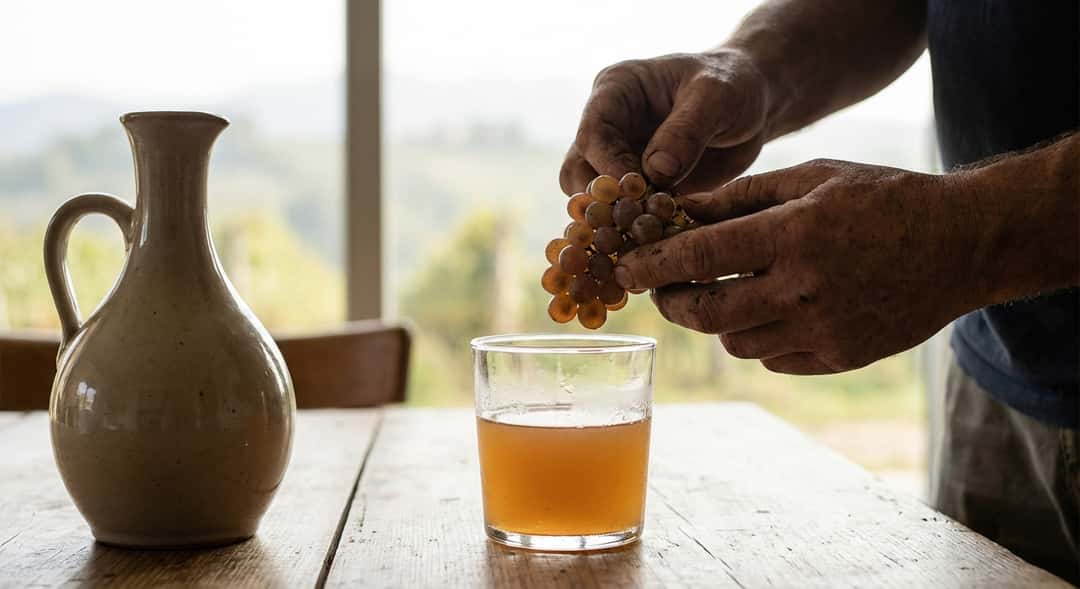
It is this combination of tradition and curiosity that makes Slovenian wine so exciting right now. The producers know where they come from, but they are not afraid to experiment. They respect the terroir, but they are not prisoners of it. And they make wines that taste of something – not just of technique, but of place and pride.
Why Right Now?
There is never a bad time to discover an underrated wine country, but spring has something extra going for it. Slovenia's fresh, mineral white wines are made for precisely this season – light enough to enjoy on a warm afternoon on the terrace, yet with enough body and depth to keep pace with a proper spring evening meal.
Most Slovenian white wines are also pleasantly priced compared with Burgundians and Tuscan producers of equivalent quality. That means you can experiment a little without feeling as though you are risking the foundations of your house. You can try things out, find your favourites, and perhaps discover that you have found a new home on the wine map.
When you want to try something new, Rebula from Brda or Pinela and Zelen from Vipava are useful starting points. Compare the producer’s description with your meal; grape and region offer clues, but styles vary.
Slovenia is waiting. The wines are ready. And a Norwegian spring is the best time to discover them.