
Aging Without an End Date
Most wines have a year on the label. That year tells you something concrete: grapes harvested, wine made, bottle filled. Simple and straightforward. But what if I told you that some wines have no single year – because they contain drops from dozens of different years, stacked on top of one another like geological layers in a mountain? That is not poetry. That is the solera system, and it is one of the wine world's most underrated phenomena.
Solera is about continuity. About preserving a style, a soul, a flavor – over time and across vintages. And the more you understand about how it works, the more impressive the result in the glass becomes.
How It Works – In Practice
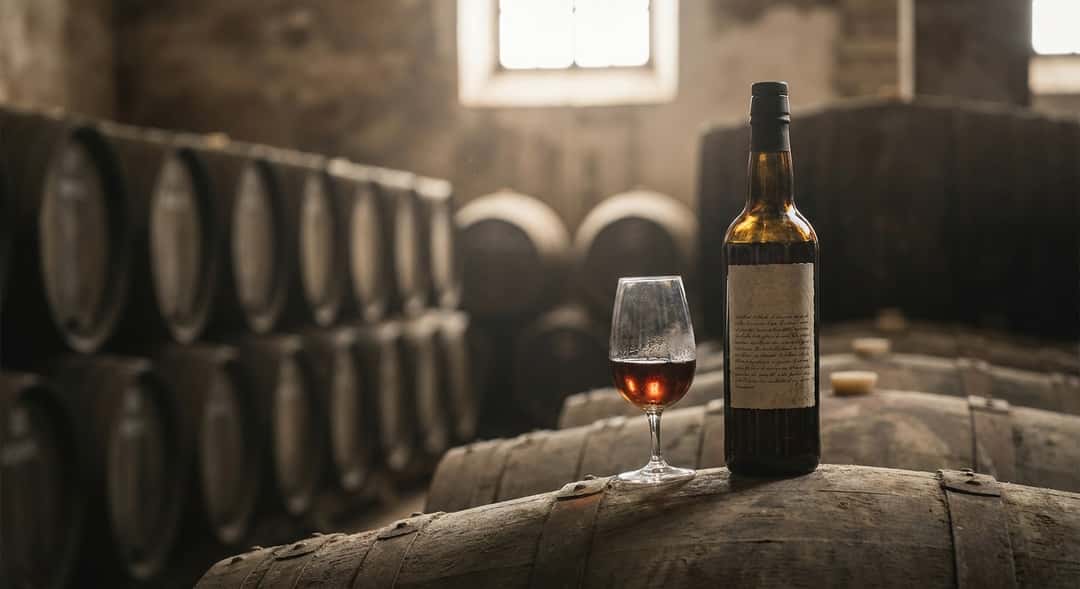
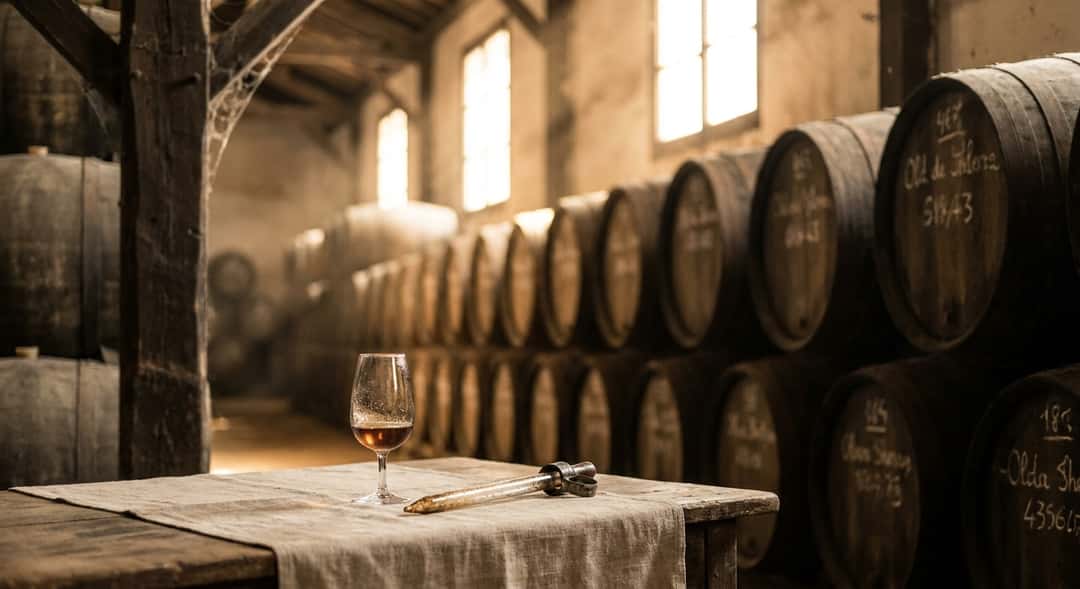
The word "solera" comes from the Spanish suelo, meaning floor. That is no coincidence. In a classic solera system, barrels are stacked in rows on top of one another – the oldest barrels closest to the floor, the youngest at the top. Each time you draw wine from the oldest barrels (the bottom row, the solera itself), you top them up with wine from the row above. That row is then refilled from the row above it, and so it continues all the way up to the youngest barrels at the top, which receive new wine as the season dictates.
You never draw more than a third – sometimes far less – from each barrel at a time. That means there is always old wine left in the barrels. Old wine that blends with the new. Layer upon layer upon layer.
The result? A wine that can never be dated to a single year. A wine that mathematically contains microscopic amounts of the very first batch – even if it is a hundred years old. It is a little like the sourdough principle: you feed the starter, it grows, you use some of it, you feed it again. The original starter is gone – and yet always present.
Jerez: Where It All Began
Sherry from Jerez in southern Spain is the solera system's home ground. Here, producers such as Lustau and Ximénez-Spínola have run their solera systems for generations. A glass of fino or oloroso from here is not just a wine – it is a distillate of time.
Take Lustau Puerto Fino Solera Reserva as an example. This is a fino sherry from El Puerto de Santa María, an area known for its cooler, sea-influenced bodegas. Finos are perhaps the most demanding style for Norwegian drinkers to understand – they are dry, sharp, almost pungently salty and green-apple-like, with a nutty undertone of almond. But it is precisely the solera system that gives them the complexity that makes them interesting rather than merely dry: layers of time provide depth, even in the lightest sherry style. Serve it ice-cold, around 7 degrees, with salted almonds and a little good ham – and you have one of spring's finest aperitif experiences.
Or Ximénez-Spínola Solera 1918 2018 – a name that says it all. The solera system was started in 1918. 2018 shows when the particular blend was bottled. To hold a bottle that carries history from 1918 onwards – that is something that barely exists elsewhere in the wine world. In the glass, this is a Pedro Ximénez of impressive concentration: dark as espresso, with flavors of dates, caramel, dried figs, and a long, warm finish. This is not a wine you drink quickly.
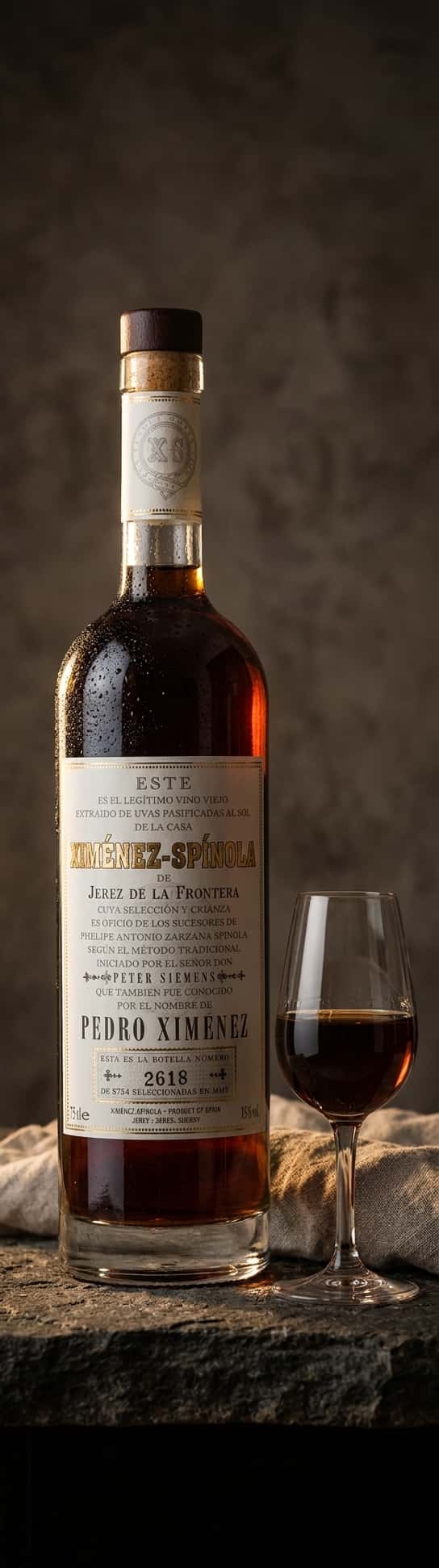
Another historic example is Ximenez-Spinola Solera 1964 is a monument. Sweet, concentrated Pedro Ximénez with roots going back to 1964, packaged in a half-litre bottle that can be poured gently over vanilla ice cream or sipped alone as a meditation after dinner. The sweetness is never cloying – it is balanced by decades of oxidation and a natural acidity that keeps the whole thing alive.
Madeira: Solera Meets the Outermost Limits
Another place where the solera principle is applied – albeit in a somewhat freer form – is on the island of Madeira. Here, the island's unique production method (warm storage, controlled oxidation) has always drawn inspiration from the idea of blending vintages and preserving style over time.
Justino's Madeira Frasqueira Verdelho 1999 is an example at the other end of the scale: vintage Madeira from a single specific year, aged for many years. It is not solera in the strict sense, but a visit to this bottle reminds us of what slow oxidation and patience can do to a wine. The Verdelho grape yields an off-dry style with fresh acidity, nuts, orange peel, and a smoky minerality that is entirely unique to Madeira. Open a bottle from 1999 today, and it is still young enough to surprise you – and old enough to impress.
Solera Spreads – to Whisky, Rum, and Brandy
What is exciting is that the solera method no longer belongs to sherry and Madeira alone. Whisky producers have discovered the principle. Some distilleries never empty their barrels completely – they always leave something behind, so that the next batch absorbs the essence of the previous one. This provides a consistency that single vintages cannot offer.
Solera Gran Reserva Artisan Single Cask is an example of this in distillate form – a spirits product that carries the solera principle explicitly in its name and lets the maturation system define the product's character.
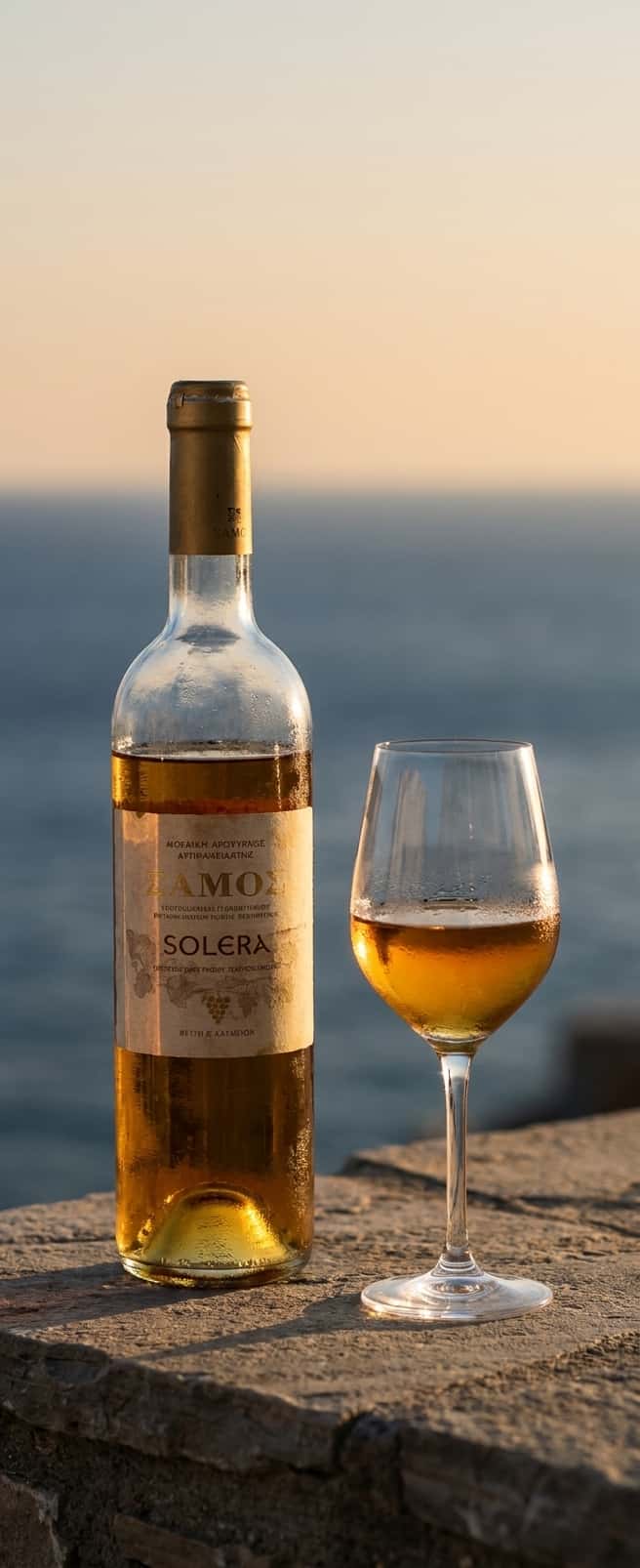
The Samos muscat wine from Greece has a similar tradition. Samos Solera (1968–1982) is a fascinating document: a sweet muscat whose oldest components date from the period 1968–1982. It is a wine that has survived political regimes, technological revolutions, and generational shifts – and yet sits quietly in your glass, with flavors of honey, apricot jam, and dried rose.
What Does Solera Offer That Single Vintages Cannot?
The question is legitimate: what is the actual gain? Why is this better than simply storing one wine from one year?
The answer is threefold.
Consistency. A solera system evens out nature's variation. Too much rain? Too hot? Fungal attack? That matters for vintage wine – but in the solera system, the exception is absorbed by the whole. The flavor you love in a particular sherry is there year after year.
Complexity. Layer upon layer of time means layer upon layer of reactions. Esters, aldehydes, and acids have been working together in barrels over years and decades. That produces a flavor no single-vintage production can simulate – and it is why a good oloroso can taste of everything from walnut and dark chocolate to leather and dried fruit all at once.
Living heritage. A solera system is a living entity. There are producers in Jerez who can say that their barrels have been in continuous use since the 1800s. That is not just marketing – it is an actual result of the principle. The solera has never been empty.
A Glass for the Weekend
It is spring now, and the sun is beginning to appear between the clouds here at home. It may not seem like the obvious season for sherry – but it should be. A well-chilled fino at 7–8 degrees, with a bowl of salted almonds and a little Iberico ham, is one of the simplest and most satisfying aperitif experiences there is. Light, fresh, and full of character – exactly what you need on a spring weekend.
And the next time you pour a glass – whether it is a fino, an oloroso, an old Madeira, or a sweet muscat – take a second to think about all those who have filled and drawn and filled again the row of barrels that gave you that drop. The solera system is patience as a tasting principle. And that is quite beautiful, really.
Ole Sommelier is a certified sommelier and regular contributor to Drikkekompis.