
There is something enticing about letting beer into the kitchen. Not just as an accompaniment to food, but as the very ingredient that makes the brownie base extra moist, the panna cotta unexpectedly light, and the chocolate flavor of the ice cream deeper than any cocoa alone can manage. I have been experimenting with beer in food since my early years as a brewer, but it was only when I started using it in baked goods that I truly understood how much these liquids can give – beyond intoxication and thirst.
Beer brings malt and hop flavours to desserts. Dark beers can add coffee, caramel and chocolate notes that balance sweetness. Heating does not automatically make food alcohol-free; use alcohol-free beer if you want to avoid adding alcohol.
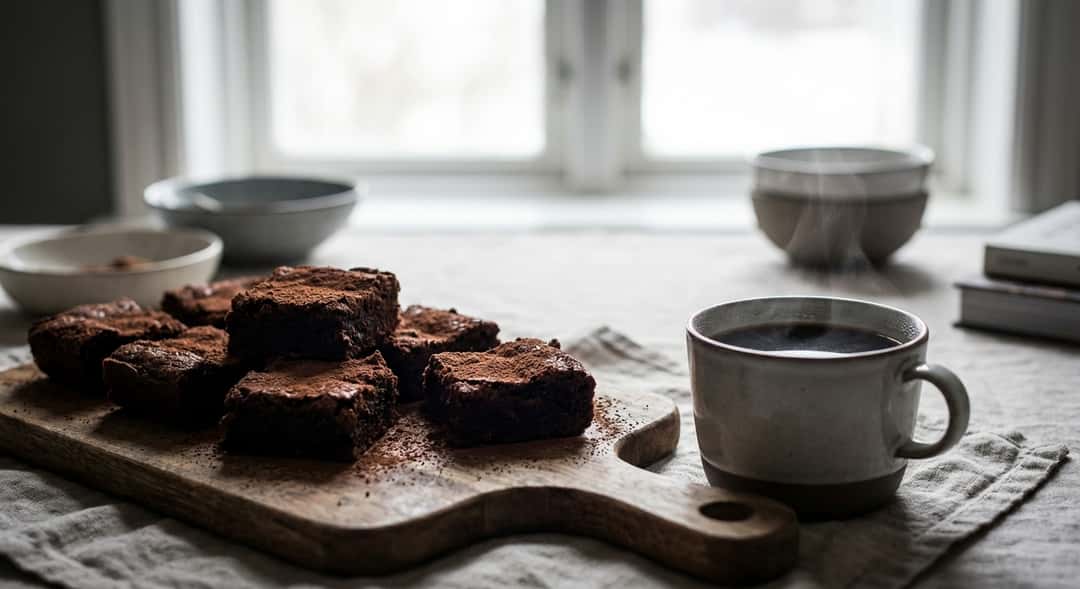
Brownie with stout – moist, dark, and almost dangerously good
The first thing you should try is a brownie where you replace half the liquid – milk, water, or coffee – with a dark stout. I have had the best results with beer styles that have roasted malt and a body that carries the flavor. Think coffee, licorice, dark chocolate. A classic stout with a silky texture and balanced bitterness amplifies the chocolate without overpowering it. The alcohol content should be moderate, around 4–5%, so it does not burn in your mouth when you taste it.
The recipe is simple: melt 200 g of dark chocolate with 100 g of butter, whisk in 200 g of sugar, two eggs, a dash of vanilla extract, then 100 ml of stout. Sift in 100 g of wheat flour, a pinch of salt, and stir gently. Pour into a greased tin and bake at 175 °C for approximately 25 minutes. You want a cracked surface and an almost liquid center. The beer provides exactly the moisture that keeps the brownie soft for days – if it even survives that long.
There is something magical about how stout works together with chocolate. The malt already has caramelized sugars from the brewing process, and when it meets cocoa, a kind of double-chocolate effect occurs. I have served this brownie to people who do not normally care about beer, and they have never guessed what makes it so different. They only notice that it is moister, darker, more complex than other brownies they have tasted.
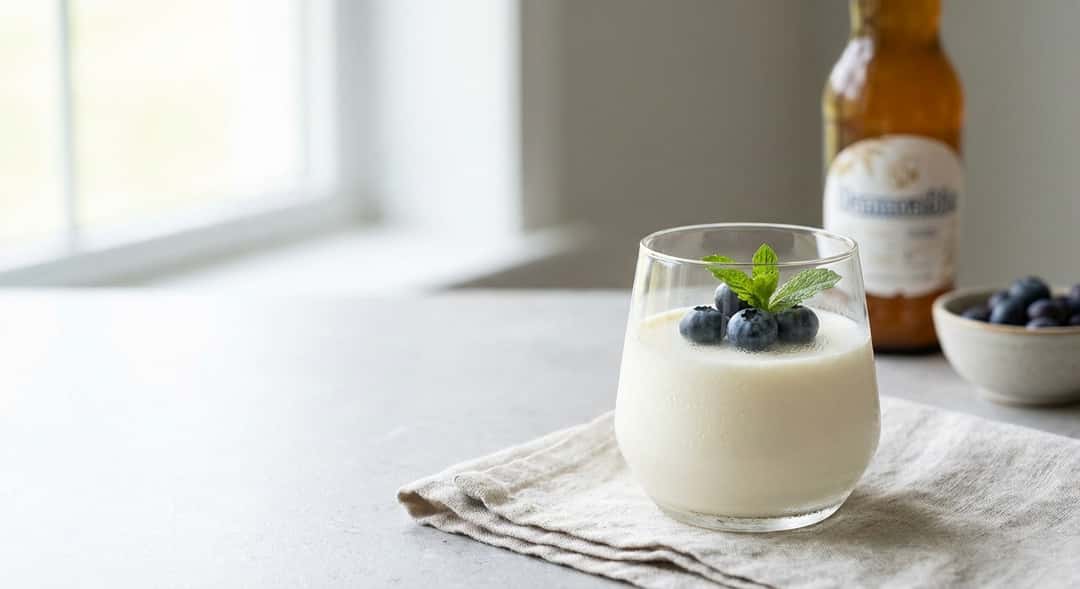
Panna cotta with witbier – light, citrusy, and surprisingly elegant
If you want something that feels airier and more refined, try panna cotta with Belgian witbier. I used this combination the first time I had to make dessert for friends who do not enjoy heavy chocolate things, and the response was immediate: "What is it that makes this so different?" Witbier has coriander, orange peel, and a lightly tart yeast character that suits dairy products perfectly. It gives a subdued citrus note and an almost drinking-yogurt-like freshness.
Take 400 ml of cream, 100 ml of witbier – preferably one with a classic coriander-citrus profile and around 4–5% alcohol – 50 g of sugar, and warm gently together with a split vanilla pod. Stir in 3 gelatine leaves, soaked in cold water, until completely dissolved. Pour into small glasses and leave to set in the refrigerator for at least four hours. Serve with fresh berries, candied lemon peel, or caramelized pecans. The witbier makes the panna cotta less heavy – it almost vibrates on the tongue.
The citrus and spice character of witbier gives a fresh contrast to the cream in the panna cotta.
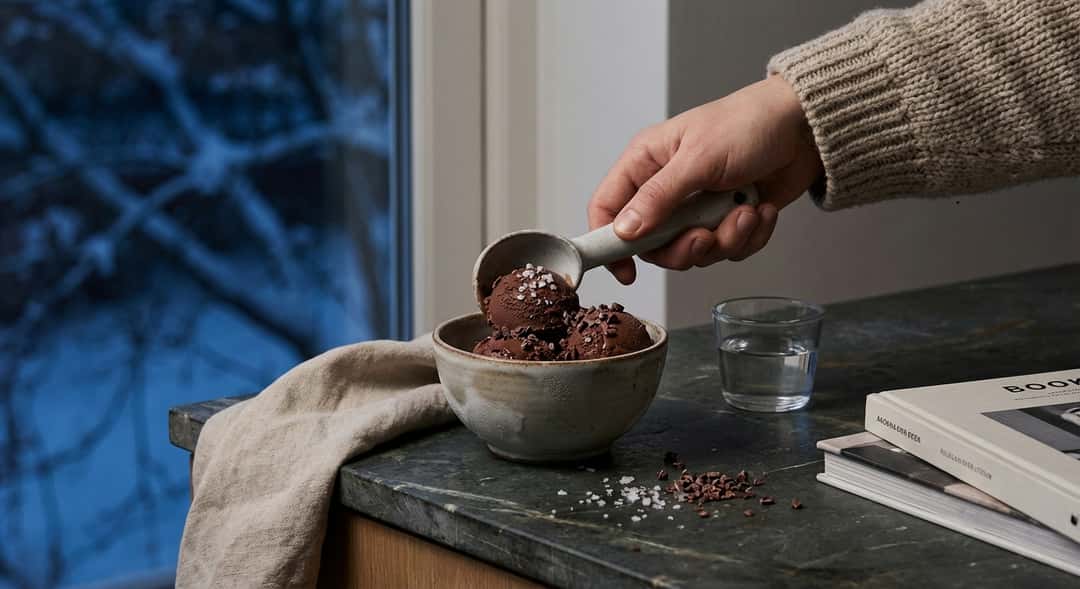
Chocolate ice cream with porter – the deepest flavor you can get without an ice cream machine
The third variation is ice cream, and here you can go even darker. Porter – beer brewed with powerfully roasted malt – has an almost burnt chocolate character that intensifies everything you put in a freezer container. The recipe can be adapted, but I have made a no-churn version that requires zero special equipment.
Whip 400 ml of heavy cream to stiff peaks. In a separate bowl: combine 397 g of sweetened condensed milk, 50 g of cocoa powder, a dash of vanilla extract, and 100 ml of porter. Fold the cream gently into the chocolate base, pour into a loaf tin, cover with cling film, and freeze for at least six hours. The result is silky smooth, intensely chocolatey, and with an almost wine-like complexity from the malt. I like to use a porter with a bit of body – think coffee, chocolate biscuit, a hint of licorice. The alcohol content should be around 5–6% for the best balance.
This ice cream is perfect for winter evenings. It has a weight that suits the dark season, and it can sit out for a few minutes before serving without melting completely. I like to top it with sea salt and cacao nibs, or perhaps a little espresso. Sometimes I serve it alongside a warm brownie – then you get hot against cold, and a double dose of dark malt.
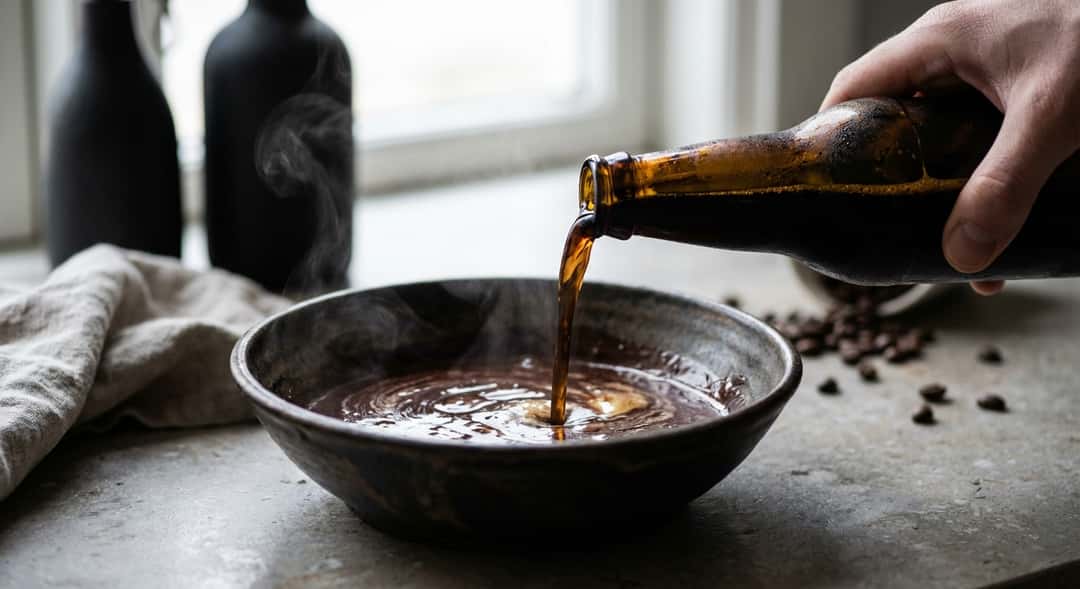
Why it works – and why people are surprised
The people around the dinner table rarely guess that there is beer in the dessert. They notice depth, moisture, complexity – but attribute it to good technique or expensive cocoa. When you reveal the trick, there is always an "oh" reaction. And that is precisely what makes this a fun weekend activity: you get to impress without spending hours, and at the same time you learn something about what ingredients can really do.
Beer in dessert is neither new nor radical – it has been known for centuries, especially in British and Belgian kitchens. But it tends to fall out of recipe books when we chase exotic ingredients or fancy techniques. I think it deserves a comeback. It is cheap, accessible, and delivers immediate results.
I remember the first time I served stout brownie to a friend who works as a pastry chef. He tasted it, nodded appreciatively, and asked if I had used espresso. No, I said. Coffee extract? No. Special chocolate? No. In the end I gave up and told him. He laughed out loud and said: "Of course. Why didn't I think of that?" That is exactly the reaction I love.
Tips before you get started
Use beer you actually enjoy drinking. The flavor is amplified, so bad beer makes bad dessert. If you would not drink it, do not bake with it.
Alcohol in food: Brief heating does not make the dessert alcohol-free. Choose alcohol-free beer if you want to avoid adding alcohol.
Adjust the sweetness. Beer adds sweetness from the malt, so you can often cut back on sugar a little. Taste as you go and adjust.
Feel free to experiment. Belgian Saison in pear compote, IPA in lemon cake, lambic in sorbet – the possibilities are endless. Just remember that bitter beer styles can become even more bitter when heated, so proceed carefully.
Think about texture. Carbonation can lighten batters, but that also means you need to work quickly. Stir gently and do not whisk the bubbles out of the beer before it goes into the mixture.
This is weekend cooking at its best: simple, fun, and with a spark that ordinary vanilla cream never achieves. So the next time you find yourself with an extra bottle of dark beer in the fridge – do not drink it. Bake with it. And when your guests ask what the secret is, you can smile a little and say: "The brewer's art."