
Something happens around the middle of February. The sun hangs higher in the sky when you walk to work, and the air starts to smell different – as if winter is losing its grip. You notice it in your body first, then in your head, and finally in your glass.
It's right here, in this strange in-between phase of winter and spring, that our drinks begin to shift character. We're not quite ready for ice-cold rosé in the sunshine yet – that's coming. But we're definitely done with the heavy port wine and the third Christmas porter that's been sitting in the cupboard since New Year's.

Rosé can actually handle the cold
Let's start with the most obvious: rosé wine. Most people think of rosé as something we drink in June, but that's a misconception. A good rosé is perfect when we're craving lightness but still need a little substance. It works both at the dinner table and with a simple plate of cheese and cured ham on a Sunday afternoon.
The key is to choose rosé wines that aren't too pale and anonymous. You want something with a bit of structure, a bit of berry, perhaps a hint of citrus or herbs. Provence wines have long been the gold standard here – they have the balance between fruit and freshness that makes them feel just as natural at eight degrees above zero as at twenty-five.
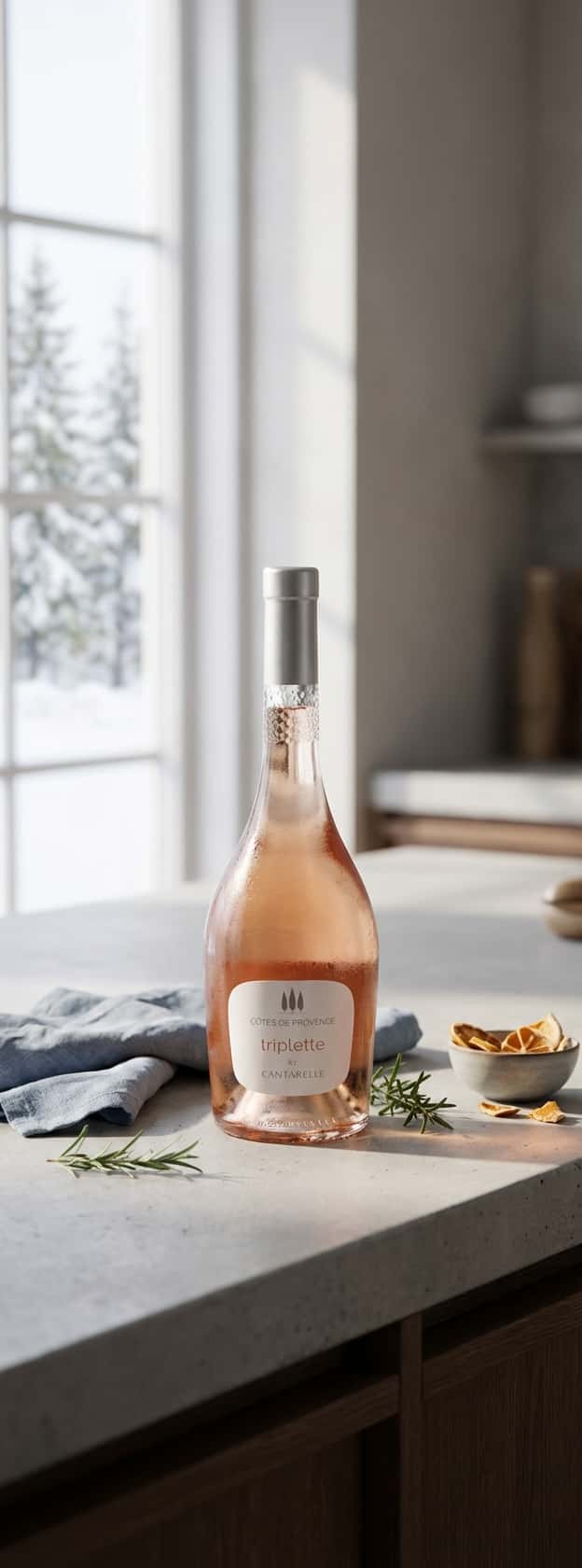
A wine like Dom. de Cantarelle Triplette Côtes de Provence has become a classic for a reason. It comes in both 75 cl, 150 cl and 300 cl bag-in-box formats, which makes it practical to keep on hand. 12% alcohol, light structure, and it can actually stay open in the fridge for a couple of days without losing its elegance. There's something about the discreet floral aroma and the dry finish that suits exactly this: the feeling of spring before spring has actually arrived.
Other wines such as Peyrassol Les Commandeurs Rosé or Whispering Angel Côtes de Provence Rosé have the same quality – they are made in a region where rosé is not a summer gimmick, but a serious wine culture stretching back centuries. Provence lies by the Mediterranean, but the vineyards are often situated high up and cool, which gives the wines freshness and nerve.
Beer that tastes of flowers and garden
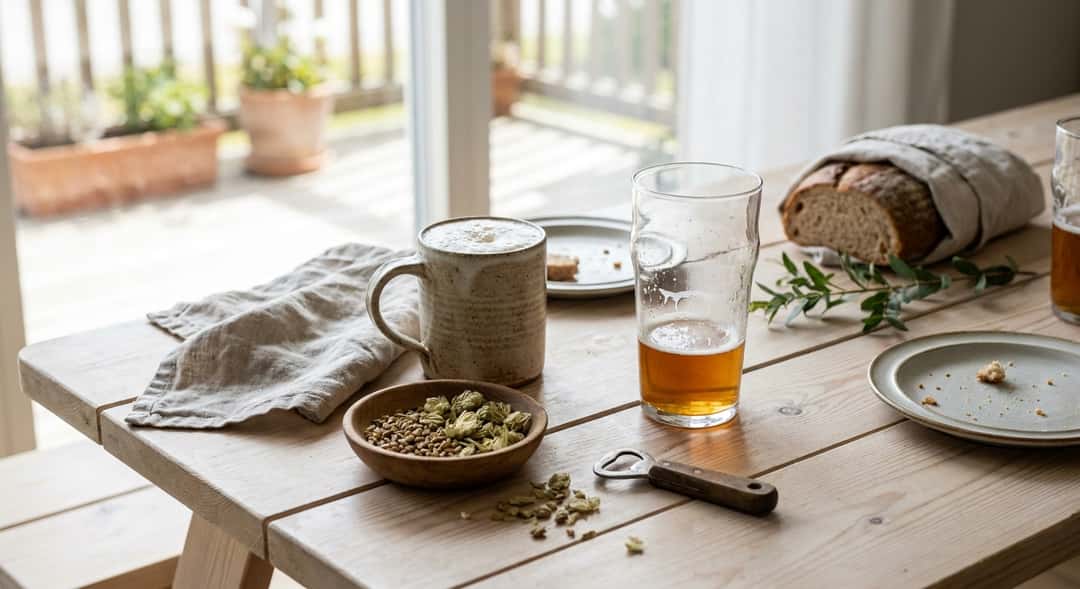
Then there's the beer. If you're still holding on to dark stouts and thick Christmas quadruples, it's time to let go. February is the month for witbier, for Saison, for everything that evokes grass and flowers and coriander.
Witbier – Belgian wheat beer – is a perfect example. It's hazy, it's spiced with orange peel and coriander, and it tastes like something between a summer's day and a bakery. It works with fish, with salads, with everything that feels light and yet a little festive.
The Saison style is another winner. Originally brewed on farms in Belgium for the season's farmworkers (hence the name), Saison is both dry, peppery and surprisingly complex. It can have notes of citrus, apple, honey, or herbs – all depending on the brewer. It's a beer that demands attention, but gives you something back.
What's great about these beer styles is that they don't try to be something they're not. They're light, but not anonymous. They're refreshing, but not boring. And they fit perfectly into the phase we're in right now – when we want something that signals change, but still respects that it's winter.

Cocktails with citrus notes and herbs
If you want to make the effort, this is also a perfect time to experiment with light cocktails. I'm not talking about the full tiki bar or complicated infusions. I'm talking about simple, aromatic drinks that are all about bringing out the best in a few ingredients.
Blood orange is still in season, and it's worth its weight in gold in a glass. A simple Negroni Sbagliato – Campari, sweet vermouth and prosecco – becomes something else entirely with freshly squeezed blood orange juice and a twist of orange. The sweet, bitter and bubbly play perfectly together, and the colour alone makes you believe that spring is actually coming.
Another winner is the French 75 – champagne, gin, lemon juice and a little sugar. It's a classic that never goes out of fashion, and that feels festive without being pompous. It works both as an aperitif and as something you can drink throughout the evening. The point is the bubbles, the acidity and the lightly floral gin.
Simple Elderflower Spritz
If you want something even simpler, try this:
Ingredients
- 4 cl elderflower liqueur
- 10 cl prosecco
- 2 cl lemon juice
- Ice cubes
- Fresh mint and a slice of cucumber for garnish
Method
- Pour the elderflower liqueur and lemon juice into a large wine glass filled with ice.
- Top with prosecco.
- Stir gently.
- Garnish with mint and cucumber.
It tastes like garden, like summer, but without feeling wrong in February. It's light enough to drink several of, but has enough flavour that you actually remember what you drank.
Spring is coming – start preparing now
It's not about forcing anything. It's about being ready when your body and taste buds start to speak up. We don't need to wait until Easter or the 17th of May to drink something light and floral. We can start now, while the snow is still lying, but the light has already turned.
Make room in the fridge. Buy a rosé, a witbier, some blood oranges. Keep a little elderflower and prosecco on hand. Suddenly you'll discover that February isn't the year's saddest month – it's just a transition, a preparation, a quiet start to something new.
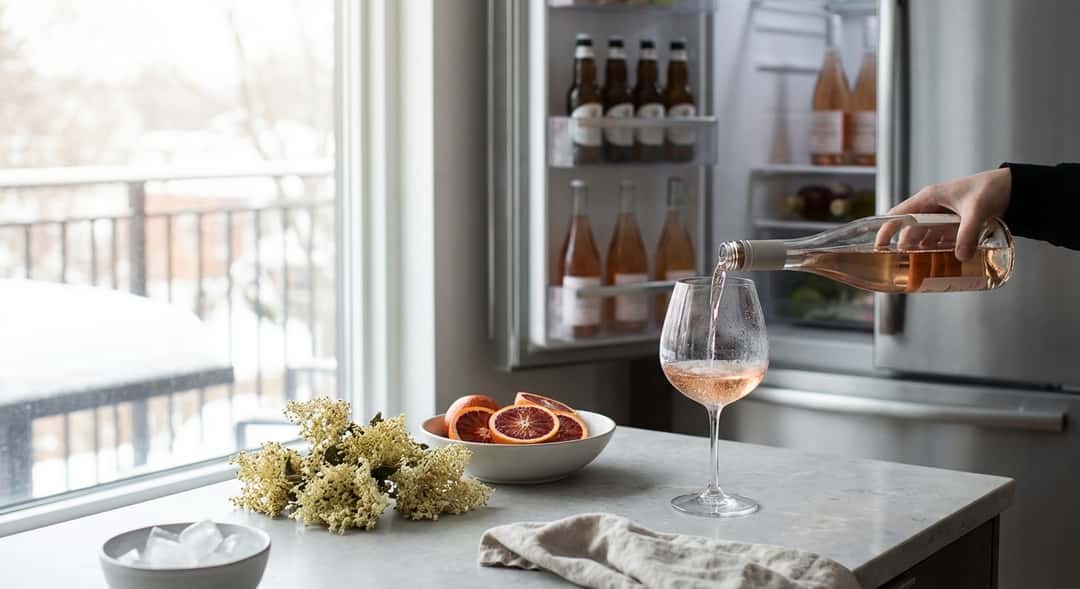
And when the days truly grow long, and the snow finally melts, you'll already be ready. You've tasted spring, long before it actually arrived.